
A Comprehensive Guide to Electric Powertrain Design for Startups
Introduction to Electric Powertrain Design
The shift towards sustainable transportation is accelerating, and startups are at the forefront of this revolution. Designing an efficient and innovative electric powertrain is crucial for the success of any electric vehicle (EV). This guide aims to provide startups with the essential knowledge needed to embark on this exciting journey.
Understanding the Basics of Electric Powertrains
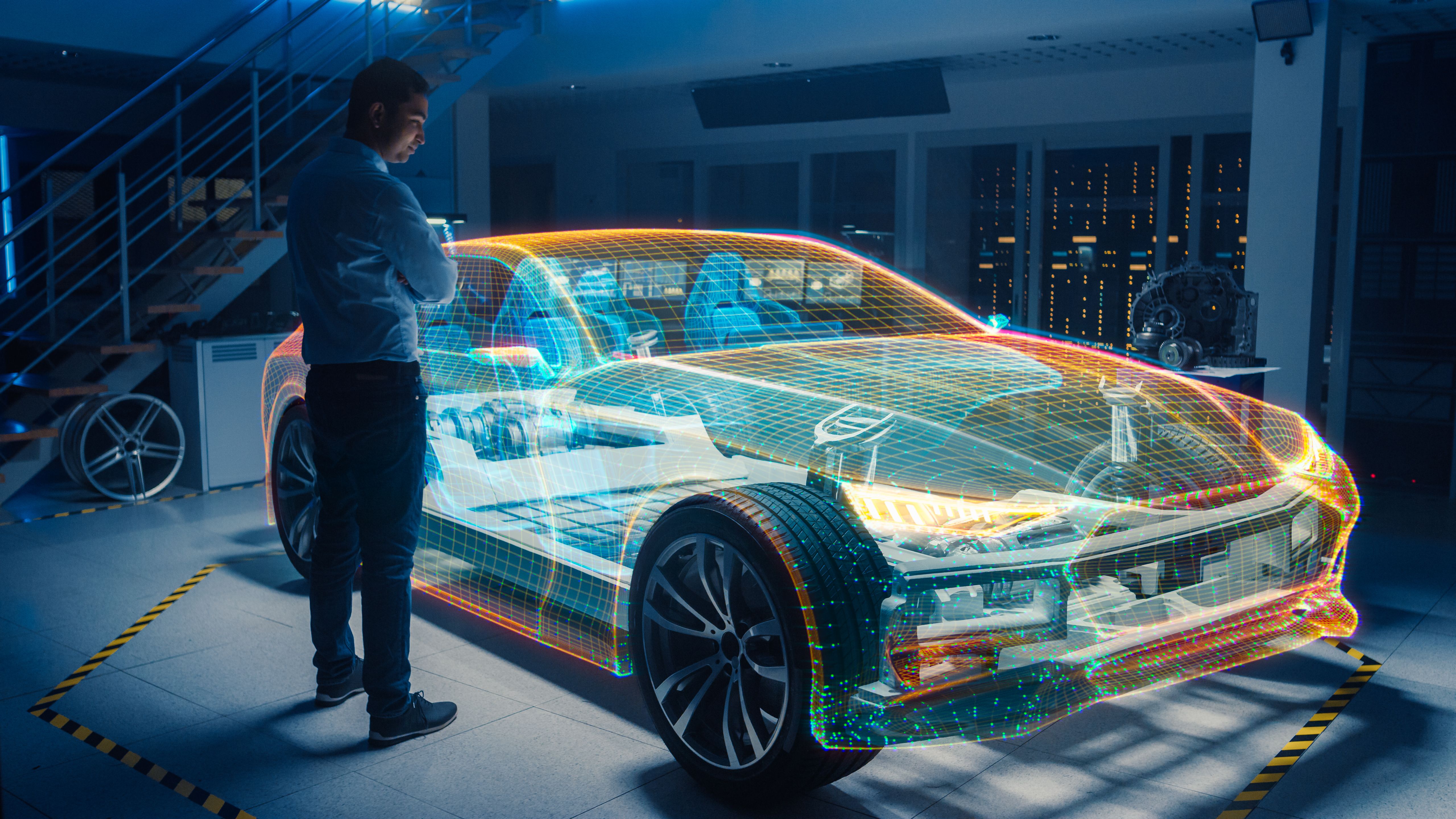
An electric powertrain consists of several key components: the electric motor, battery pack, power electronics, and drivetrain. Each of these plays a critical role in delivering power from the battery to the wheels. Understanding how these components work together is the first step in designing an efficient system.
Electric Motor
The electric motor is the heart of the powertrain. It converts electrical energy into mechanical energy to drive the vehicle. Startups should focus on selecting a motor that offers the best balance between efficiency, weight, and cost.
Battery Pack
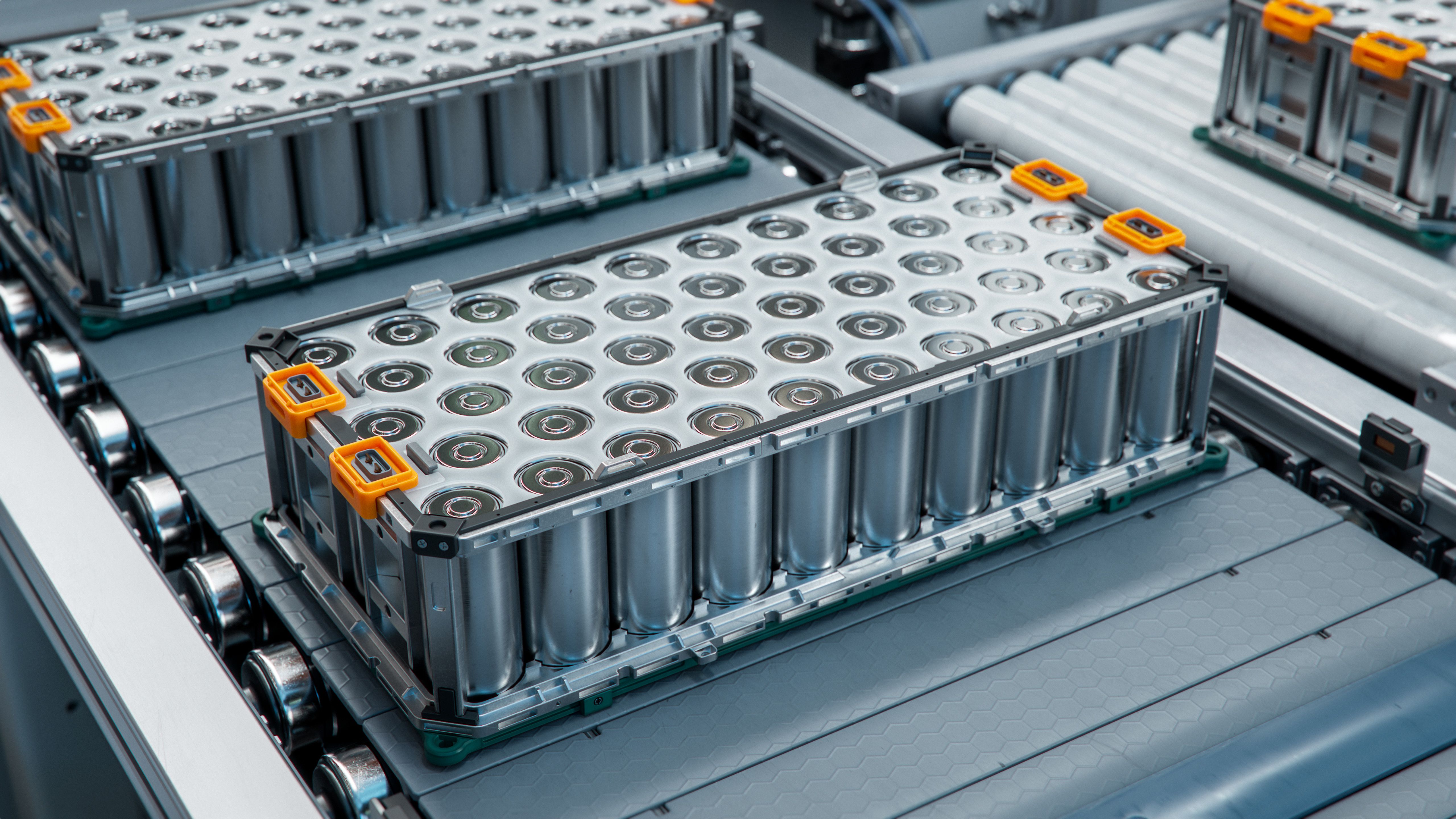
The battery pack stores the energy needed to power the electric motor. It's crucial to choose a battery technology that provides a good balance between energy density, weight, and cost. Lithium-ion batteries are currently the most popular choice due to their high energy density and efficiency.
Designing an Efficient Powertrain
Efficiency is paramount in electric powertrain design. Startups should aim to minimize energy loss at every stage of power conversion and transmission. This involves optimizing the design of each component and ensuring they work together seamlessly.
Power Electronics
Power electronics manage the energy flow between the battery and the motor. They ensure that the motor receives the correct voltage and current for optimal performance. Selecting high-quality components and designing efficient circuits can significantly enhance overall efficiency.
Drivetrain Considerations
The drivetrain transmits power from the motor to the wheels. Startups should consider the type of drivetrain that best suits their vehicle design, whether it be front-wheel, rear-wheel, or all-wheel drive. Each has its advantages and trade-offs in terms of efficiency and performance.
Overcoming Challenges in Powertrain Design
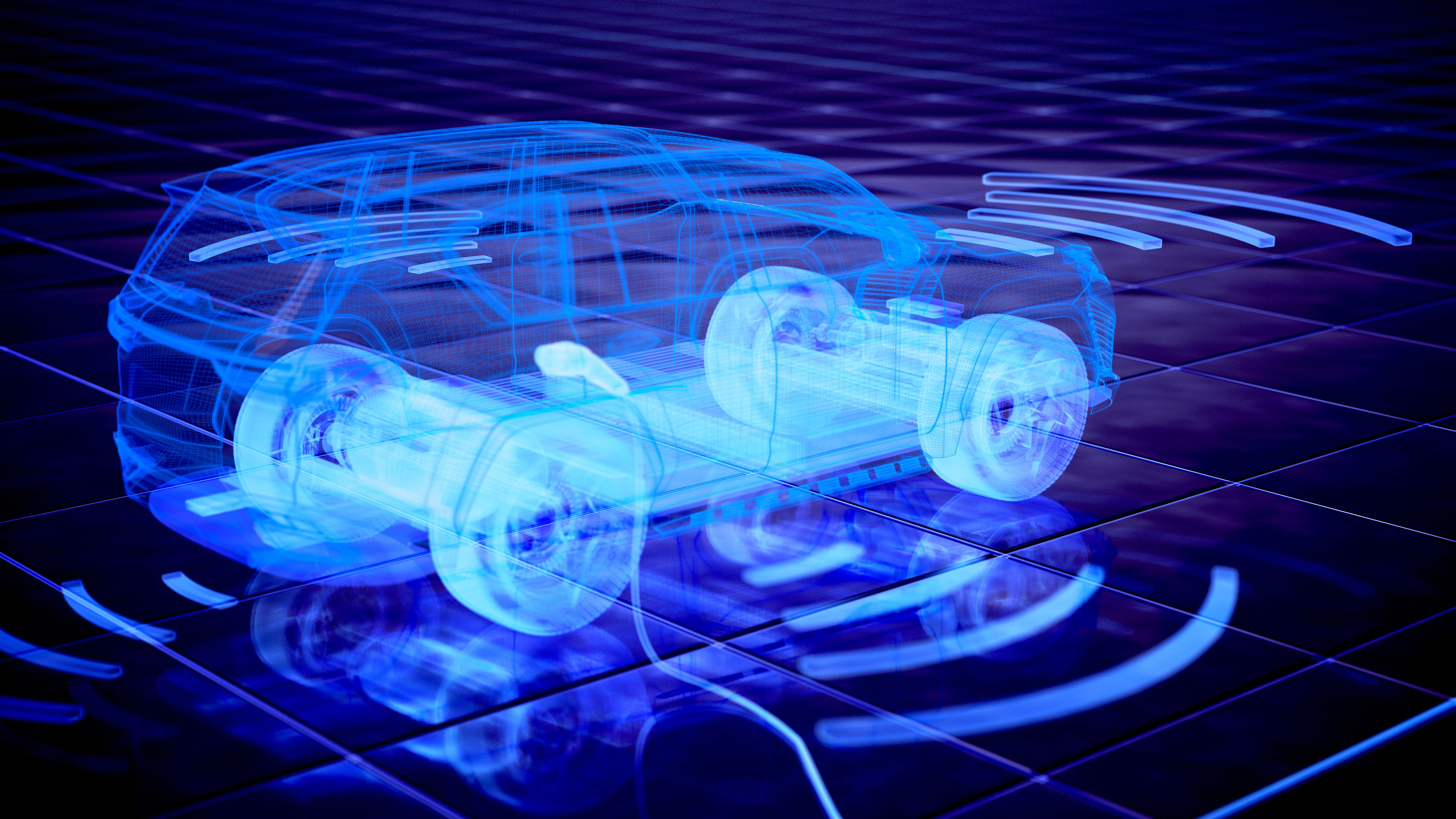
Startups may face various challenges in electric powertrain design, including cost constraints, technological limitations, and regulatory requirements. Addressing these challenges requires innovative thinking and strategic planning.
Cost Management
Balancing performance with cost is a common issue. Startups should explore partnerships with suppliers and consider scaling production to reduce costs. Additionally, investing in research and development can lead to breakthroughs that lower production expenses.
Regulatory Compliance
Meeting regulatory standards is essential for bringing an electric vehicle to market. Startups should stay informed about the latest regulations and ensure their designs comply with safety and environmental standards. Engaging with regulatory bodies early in the design process can help avoid costly redesigns.

Conclusion
Electric powertrain design is a complex but rewarding endeavor for startups. By understanding the core components, focusing on efficiency, and overcoming challenges, startups can create innovative and competitive electric vehicles. As the industry evolves, staying informed and adaptable will be key to success.