
Accelerating Electric Powertrain Development: A Guide for OEMs and Startups
Understanding the Basics of Electric Powertrains
As the automotive industry rapidly evolves, the move towards electric vehicles (EVs) is more pronounced than ever. At the heart of this transition lies the electric powertrain, which consists of components like the electric motor, battery pack, and control systems. Understanding these elements is crucial for both Original Equipment Manufacturers (OEMs) and startups aiming to penetrate the EV market.
Electric powertrains offer several advantages over traditional internal combustion engines, including higher efficiency, reduced emissions, and lower maintenance costs. However, developing these powertrains requires a unique set of skills and resources.

Key Challenges in Powertrain Development
Developing an electric powertrain involves overcoming numerous challenges. One of the most significant is the integration of advanced battery technologies. Battery management systems must ensure safety, longevity, and performance, all while keeping costs manageable.
Another challenge is achieving optimal thermal management. Electric powertrains generate heat, which can affect performance and battery life if not properly managed. Innovative cooling solutions and materials are essential to address this issue.
Strategies for OEMs
For established OEMs, leveraging existing manufacturing capabilities and expertise can accelerate development. Investing in research and partnerships with technology firms can provide access to cutting-edge innovations.
OEMs should focus on modularity in design, allowing for scalability and flexibility across different vehicle models. This approach not only reduces production costs but also shortens the time-to-market.
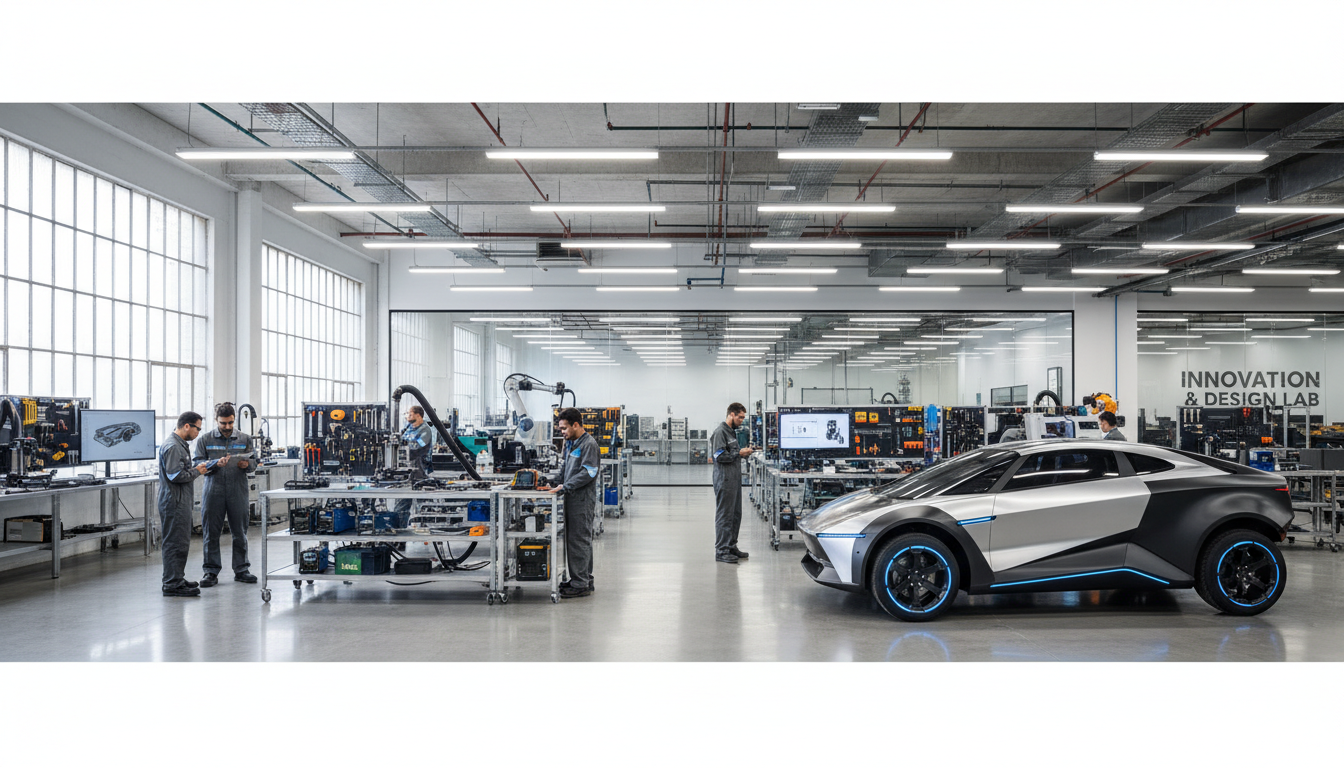
Opportunities for Startups
Startups have the agility to innovate rapidly and can often take risks that larger corporations cannot. By focusing on niche markets or specific aspects of the powertrain, startups can carve out valuable segments in the EV industry.
Collaboration with established players can provide startups with the resources and expertise needed to bring their ideas to fruition. Forming alliances with battery manufacturers, for example, can enhance product offerings and market reach.
Leveraging Advanced Technologies
The integration of technologies like AI and machine learning can significantly enhance powertrain development. These technologies enable better predictive maintenance, improved energy efficiency, and more refined control systems.

Furthermore, utilizing digital twins allows for extensive testing and simulation, reducing the time and cost associated with physical prototypes. This virtual approach can streamline the development process and improve overall product quality.
Regulatory Considerations and Compliance
Compliance with international standards and regulations is crucial for market entry. Both OEMs and startups must stay informed about evolving regulatory requirements, which can vary significantly across regions.
Proactively engaging with regulatory bodies and industry groups can ensure that development efforts align with future standards, minimizing the risk of costly redesigns and delays.
Conclusion
The development of electric powertrains presents both challenges and opportunities for OEMs and startups. By leveraging advanced technologies, forming strategic partnerships, and focusing on innovation, companies can accelerate their journey in the electric vehicle market. Success in this domain requires a blend of agility, expertise, and foresight, ensuring a sustainable and competitive edge in the evolving automotive landscape.