
Accelerating eMobility in Egypt: Opportunities and Challenges
Introduction to eMobility in Egypt
As the world shifts towards sustainable energy solutions, Egypt stands at the forefront of the eMobility revolution in Africa. The transition to electric vehicles (EVs) is not just a trend but a necessity for enhancing urban air quality and reducing dependency on fossil fuels. This shift presents both exciting opportunities and substantial challenges for the nation.
Opportunities for eMobility in Egypt
Government Initiatives
Egypt's government is actively promoting eMobility through various initiatives and incentives. These include tax reductions on electric vehicles and investments in charging infrastructure. By fostering a supportive policy environment, the government aims to make EVs more accessible to the general public.
Economic Growth and Job Creation
The eMobility sector has the potential to stimulate economic growth by creating new jobs in manufacturing, maintenance, and charging infrastructure development. Local production of EV components could also boost the economy and reduce import dependency.

Challenges Facing eMobility in Egypt
Infrastructure Limitations
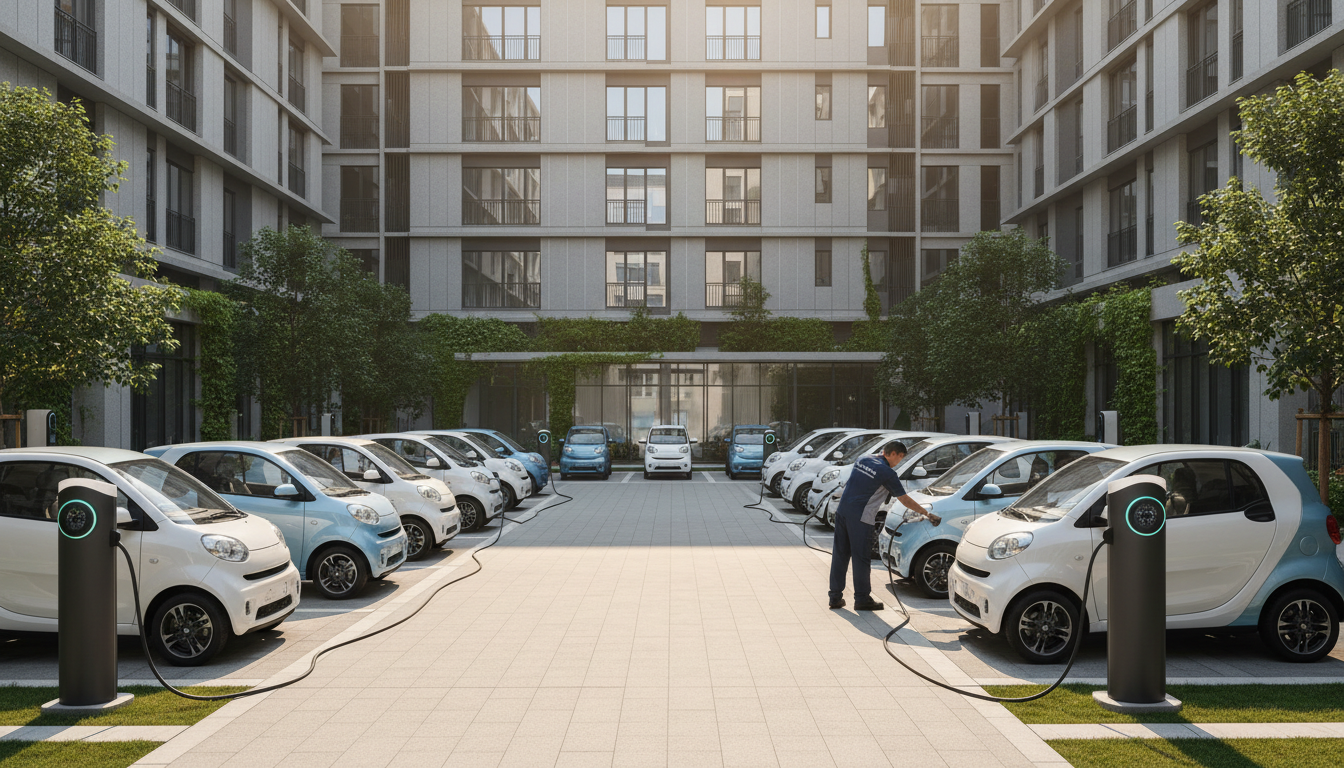
One of the primary challenges is the limited charging infrastructure. As electric vehicles become more popular, the need for widespread and reliable charging stations becomes critical. Building this infrastructure requires significant investment and strategic planning.
Public Awareness and Perception
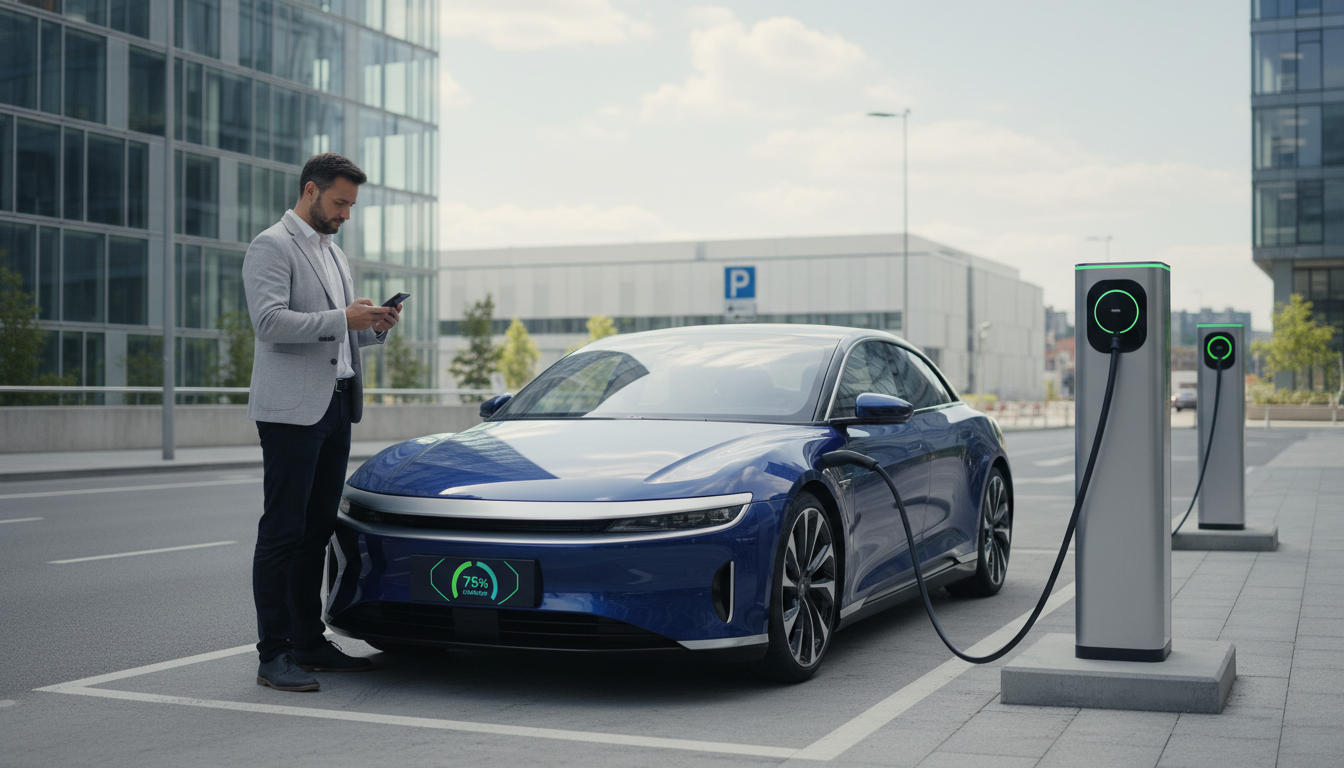
Another hurdle is the general public's awareness and perception of electric vehicles. Many potential consumers remain skeptical about the performance and reliability of EVs. Educational campaigns and demonstrations could help bridge this knowledge gap and build trust among consumers.
Strategies for Accelerating eMobility
Collaboration with Private Sector
Collaborating with private companies can accelerate the development of the eMobility ecosystem. Partnerships can lead to innovations in battery technology, charging solutions, and vehicle design, making EVs more appealing and practical for consumers.
Focus on Renewable Energy
Integrating renewable energy sources with the eMobility infrastructure can enhance sustainability. Solar-powered charging stations, for example, can reduce the carbon footprint of EVs and ensure cleaner energy consumption.

The Future of eMobility in Egypt
Despite the challenges, the future of eMobility in Egypt is promising. With continued government support, private sector involvement, and growing consumer interest, the country is well-positioned to become a leader in the region's transition to electric transportation.
Embracing eMobility is not just about introducing new technology; it's about driving a cultural shift towards sustainable living. As Egypt navigates this transition, it will serve as a model for other nations looking to embrace the future of transportation.