
Building the Future: A Comprehensive Guide to Electric Powertrain Integration
As the automotive industry continues to evolve, the shift towards electric vehicles (EVs) has become a central focus for manufacturers worldwide. This transformation is largely driven by the integration of electric powertrains, which offer a sustainable alternative to traditional internal combustion engines. Understanding the nuances of electric powertrain integration is crucial for anyone looking to stay ahead in this rapidly changing landscape.
What is Electric Powertrain Integration?
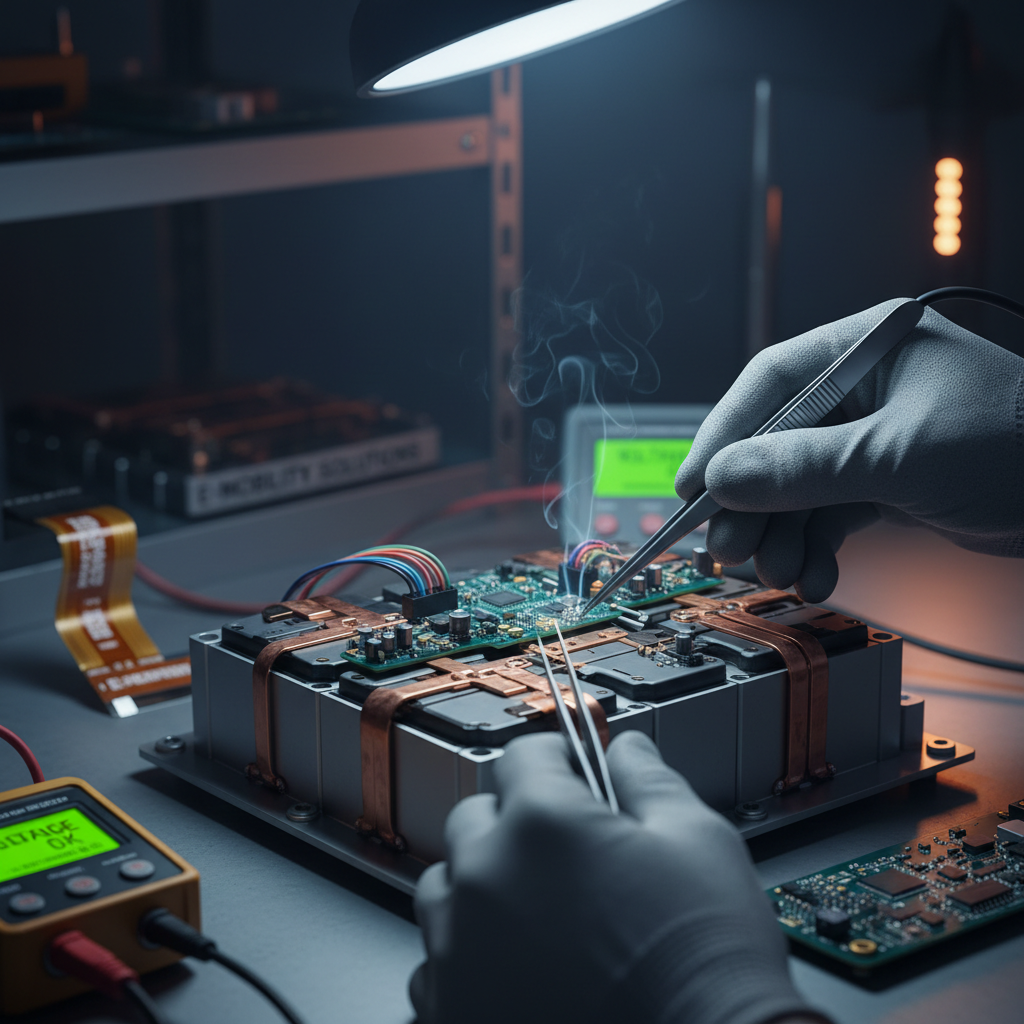
Electric powertrain integration involves the assembly and optimization of various components that make up an electric vehicle's drive system. This includes the battery, electric motor, and power electronics. Each component plays a vital role in ensuring the vehicle's performance, efficiency, and safety.
The integration process is complex, requiring careful consideration of factors such as weight distribution, thermal management, and energy efficiency. By mastering these elements, manufacturers can produce vehicles that not only meet but exceed consumer expectations.
Key Components of an Electric Powertrain
- Battery Pack: The heart of an EV, providing the necessary energy to power the vehicle.
- Electric Motor: Converts electrical energy into mechanical energy to drive the wheels.
- Power Electronics: Manages the flow of electricity between the battery and motor.
Benefits of Electric Powertrain Integration
Integrating an electric powertrain offers numerous advantages over traditional systems. One of the most significant benefits is the reduction in emissions, contributing to a cleaner environment. Additionally, electric powertrains are known for their efficiency, providing more energy to the wheels and less to waste.
Noise reduction is another key advantage. Electric vehicles operate much more quietly than their gasoline counterparts, offering a more pleasant driving experience. The simplicity of electric powertrains also means fewer moving parts, which can lead to lower maintenance costs over the vehicle's lifetime.
Challenges in Integration
Despite the benefits, integrating electric powertrains presents several challenges. One of the primary concerns is the cost of development and production. Electric vehicles require expensive materials and advanced technology, which can drive up costs. Additionally, the need for extensive testing and validation to ensure safety and reliability adds to the complexity.
The Future of Electric Powertrains
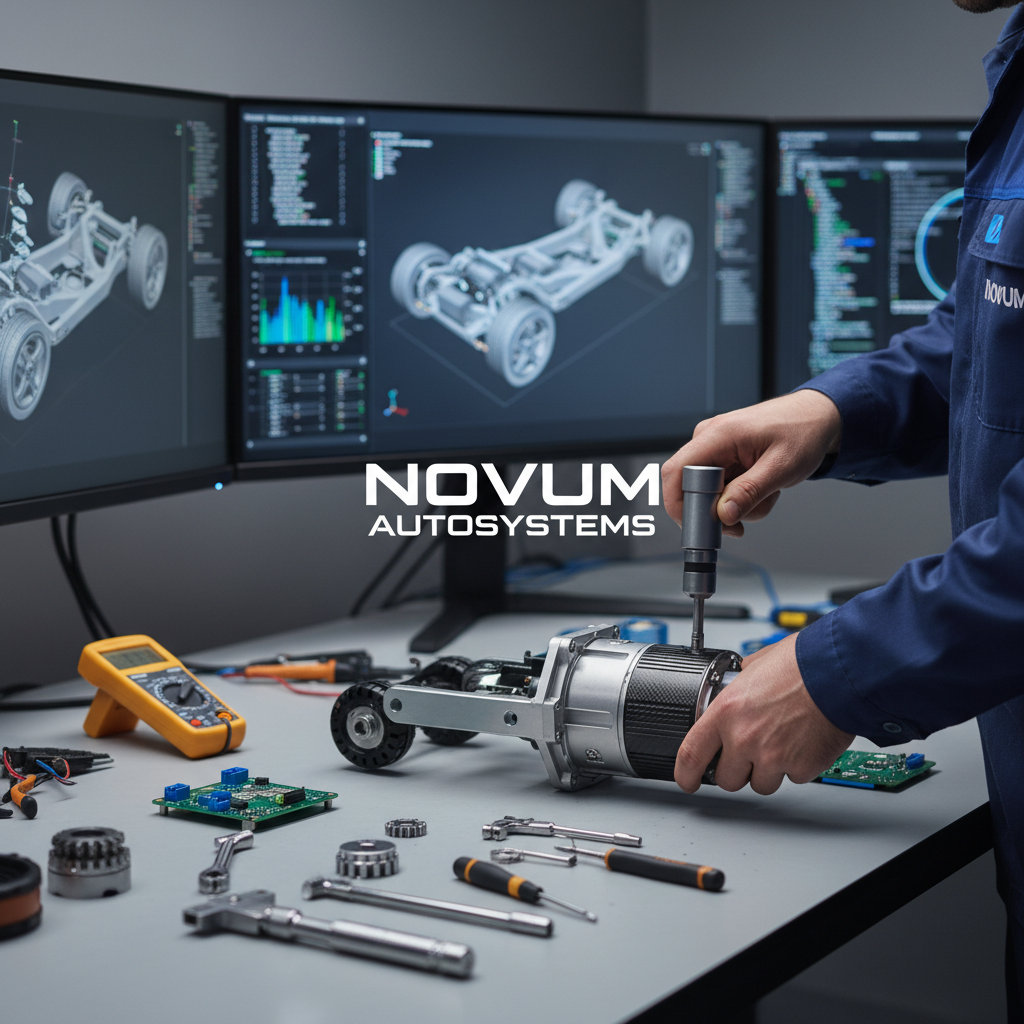
The future of electric powertrains is bright, with continuous advancements in technology paving the way for more efficient and affordable solutions. Innovations in battery technology, such as solid-state batteries, promise to enhance energy density and reduce charging times.
Moreover, the integration of smart technologies, such as artificial intelligence and machine learning, is set to revolutionize the way electric powertrains are designed and managed. These technologies offer the potential to optimize performance and enhance the overall driving experience.
Conclusion
Building the future with electric powertrain integration is an exciting journey filled with challenges and opportunities. As the industry continues to evolve, staying informed and adaptable will be key to success. By embracing the latest technologies and innovations, manufacturers can lead the charge towards a more sustainable and efficient future.