
Case Study: Successful Electric Drivetrain Integration for Global OEMs
Introduction to Electric Drivetrain Integration
The transition to electric vehicles (EVs) is accelerating, with global Original Equipment Manufacturers (OEMs) at the forefront of this shift. A critical component of this transition is the successful integration of electric drivetrains, which involves replacing traditional internal combustion engines with electric motors. This case study explores how leading OEMs have successfully navigated this complex process.
Electric drivetrains offer numerous advantages, including improved energy efficiency, reduced emissions, and enhanced performance. However, their integration poses significant technical challenges, requiring OEMs to rethink vehicle architecture and design.
Understanding the Challenges
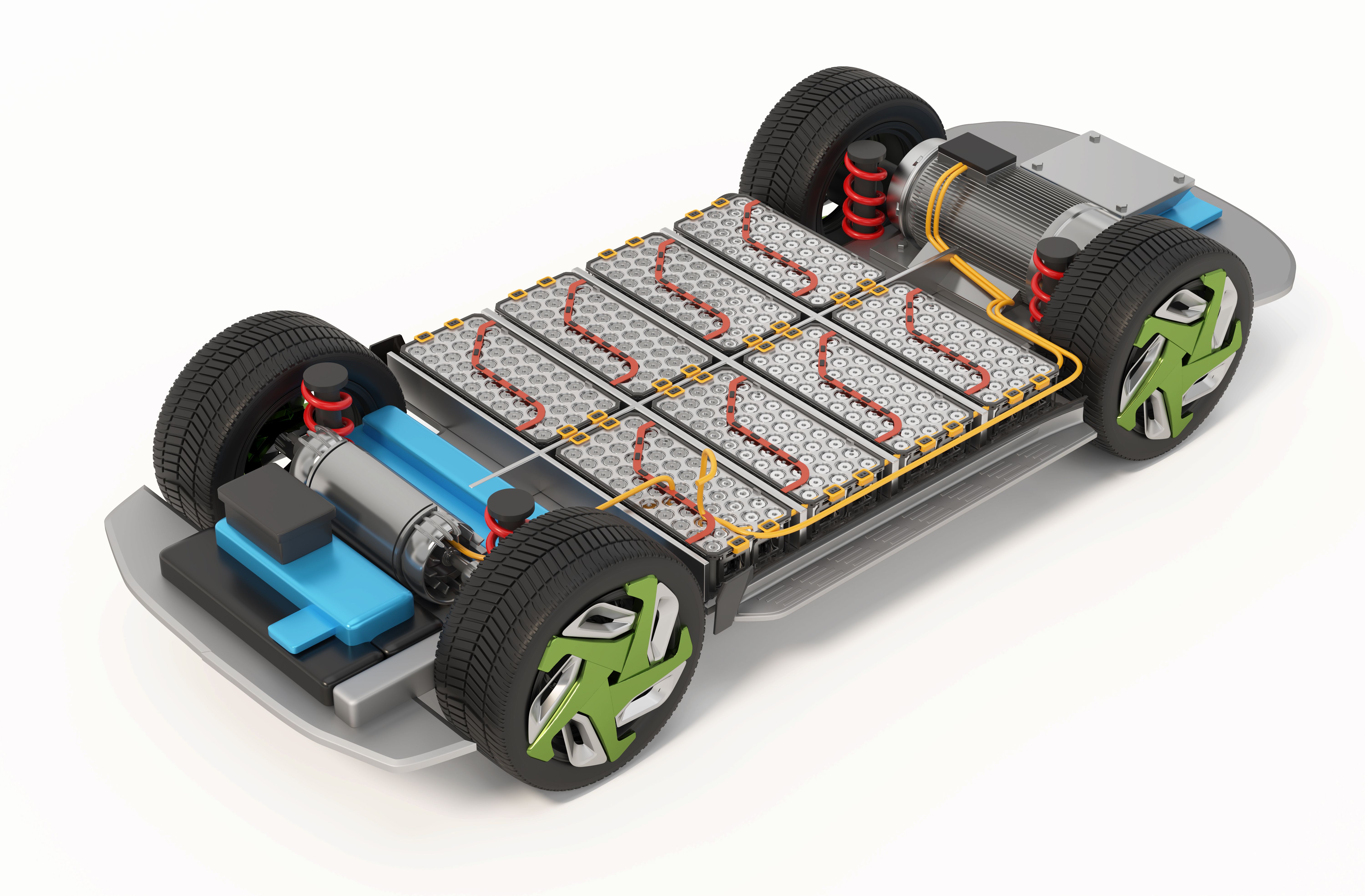
Integrating electric drivetrains involves several challenges, such as adapting to new powertrain architectures and ensuring compatibility with existing vehicle platforms. OEMs must also address issues related to battery placement, thermal management, and weight distribution, which can affect vehicle handling and safety.
Another key challenge is the need for advanced software systems to manage the complex interactions within the electric drivetrain. This includes optimizing energy usage, controlling motor functions, and ensuring seamless communication between vehicle components.

Strategies for Successful Integration
Leading OEMs have adopted several strategies to overcome these challenges. Here are some key approaches:
- Modular Design: Developing modular drivetrain components allows for greater flexibility and easier integration with different vehicle models.
- Collaborative Partnerships: Partnering with technology companies and suppliers to leverage expertise in electric powertrain technology.
- Advanced Testing: Implementing rigorous testing protocols to ensure the reliability and performance of electric drivetrains in various conditions.
These strategies help OEMs streamline the integration process, reduce costs, and accelerate time-to-market for new electric models.

Case Study: Leading OEM Success
One prominent OEM has set a benchmark in electric drivetrain integration by launching a dedicated EV platform. This platform was designed from the ground up to accommodate electric drivetrains, featuring a flat battery pack and optimal weight distribution.
By focusing on a holistic design approach, the OEM has successfully integrated electric drivetrains while maintaining the brand's commitment to performance and safety. The platform's modular nature also allows for scalability, enabling the OEM to produce a range of electric vehicles efficiently.
Key Outcomes and Benefits
The successful integration of electric drivetrains has led to several key outcomes for OEMs:
- Enhanced Vehicle Performance: Electric drivetrains provide instant torque and smooth acceleration, improving overall driving experience.
- Environmental Impact: Reduced emissions contribute to sustainability goals and compliance with global environmental regulations.
- Market Competitiveness: The ability to offer a diverse range of electric vehicles strengthens market position and meets consumer demand.
These outcomes highlight the critical role of effective drivetrain integration in the broader EV strategy for OEMs.
Conclusion
The journey towards electric mobility is complex, but OEMs that successfully integrate electric drivetrains are well-positioned to lead the industry. By addressing technical challenges, leveraging strategic partnerships, and adopting innovative design approaches, these manufacturers are paving the way for a sustainable automotive future.
As the demand for electric vehicles continues to rise, the experiences and strategies of these OEMs provide valuable insights into the future of transportation.