
Case Study: Successful Integration of Electric Powertrains in Global OEMs
Introduction to Electric Powertrain Integration
The automotive industry is undergoing a transformative shift towards sustainability, with electric powertrains at the forefront. Global Original Equipment Manufacturers (OEMs) are increasingly integrating electric powertrains into their vehicle lineups, driven by regulatory pressures and consumer demand for greener alternatives.
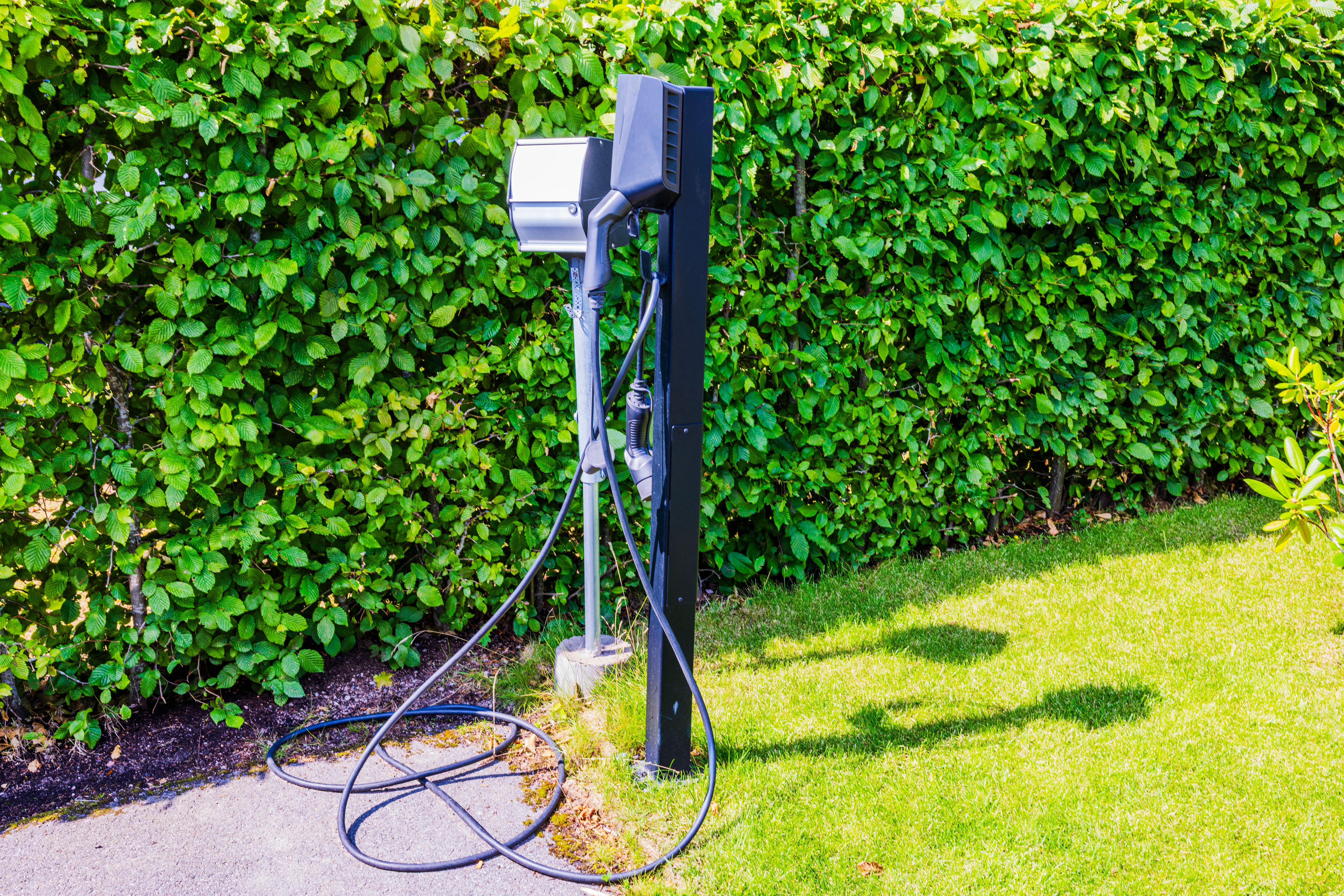
Understanding the Electric Powertrain
An electric powertrain consists of a battery pack, electric motor, and power electronics. This setup replaces the traditional internal combustion engine, providing a cleaner and more efficient driving experience. The transition to electric powertrains is not merely a trend but a necessary evolution for OEMs.
Key Components
The main components of an electric powertrain include:
- Battery Pack: The source of energy, determining range and performance.
- Electric Motor: Converts electrical energy into mechanical power.
- Power Electronics: Manages the flow of energy between the battery and motor.
Case Study: Successful Integration Strategies
Several global OEMs have successfully integrated electric powertrains into their fleets. By investing in research and development, these companies have managed to overcome significant challenges such as cost, infrastructure, and consumer acceptance.
Investment in Technology
Leading OEMs have focused heavily on technological advancements. By developing proprietary battery technologies and enhancing motor efficiencies, they have achieved competitive advantages. This investment ensures a reduction in production costs and an increase in vehicle range.

Building Infrastructure
Another critical element of successful integration is the development of charging infrastructure. OEMs are partnering with governments and private entities to expand charging networks. This collaboration is crucial for addressing "range anxiety" among potential electric vehicle buyers.
Consumer Acceptance and Market Growth
Consumer perception is vital to the success of electric powertrains. OEMs are focusing on marketing campaigns that highlight the benefits of electric vehicles, including lower emissions and reduced running costs. As awareness grows, so does market share.
Incentives and Policies
Government incentives and policies also play a significant role in driving consumer acceptance. Subsidies, tax breaks, and other incentives make electric vehicles more attractive to buyers, further accelerating the shift from conventional engines.

The Future of Electric Powertrains
The future looks promising for electric powertrains as OEMs continue to innovate. The focus is now shifting towards improving battery life and reducing charging times. These advancements will further solidify electric vehicles as a mainstay in the automotive industry.
In conclusion, the integration of electric powertrains by global OEMs stands as a testament to the industry's commitment to sustainability. Through strategic investments, infrastructure development, and consumer engagement, the transition to electric vehicles is set to redefine the future of transportation.