
Common Misconceptions About Electric Motor Design: Debunked
Electric motor design is a complex field that often encounters a variety of misconceptions. These misunderstandings can lead to confusion and misinformed decisions. Let's debunk some of the most common misconceptions about electric motor design.
Misconception 1: Bigger Motors Are Always Better
One of the most widespread beliefs is that bigger motors are always more powerful and better for any application. While it's true that larger motors can provide more power, they are not always the best choice for every situation. The key is to select a motor that matches the specific needs of the application, considering factors like efficiency, cost, and space constraints.
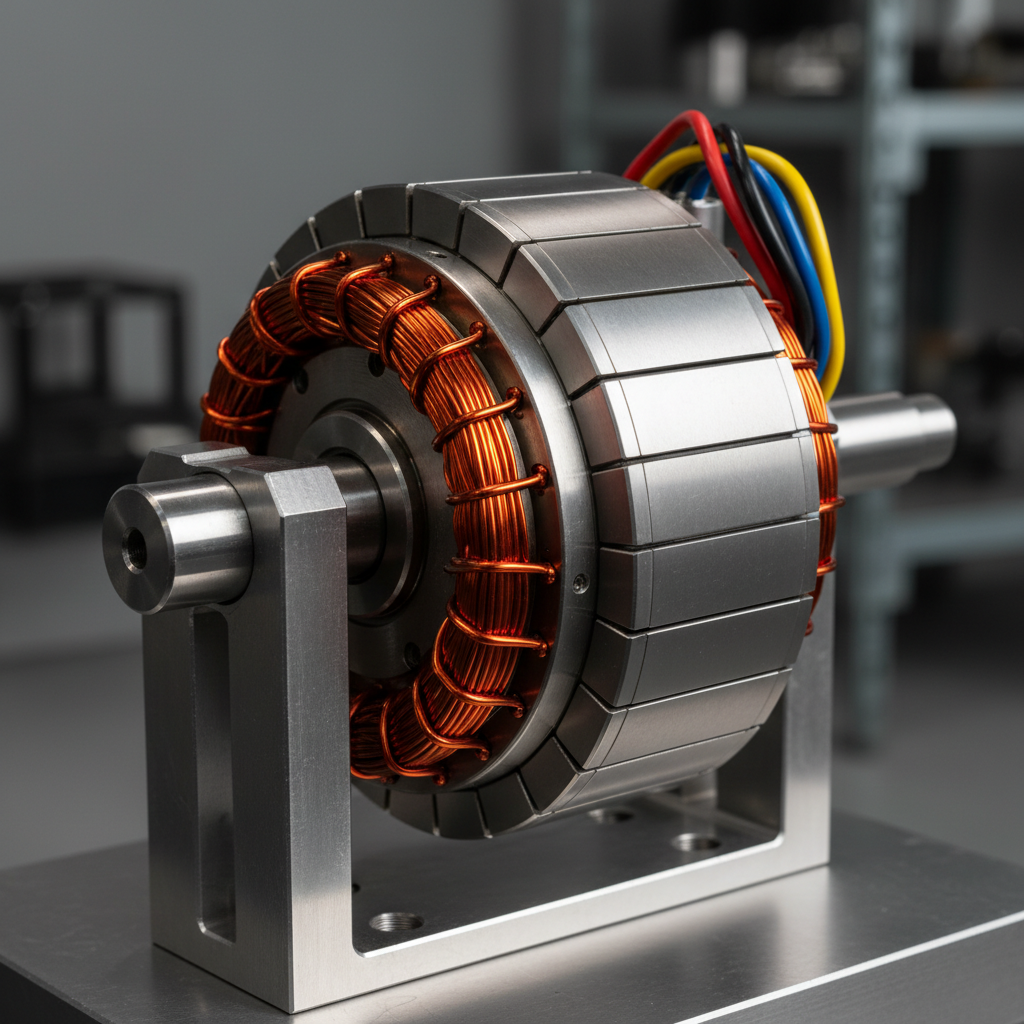
Choosing a motor that's too large can lead to unnecessary energy consumption and increased costs. Conversely, a smaller, well-designed motor can often deliver the same performance more efficiently.
Misconception 2: Electric Motors Are Maintenance-Free
Another common misconception is that electric motors require no maintenance. While they generally need less maintenance than their combustion counterparts, they still need regular checks to ensure optimal performance. Components like bearings, brushes, and cooling systems need periodic inspection and maintenance to prevent failures.
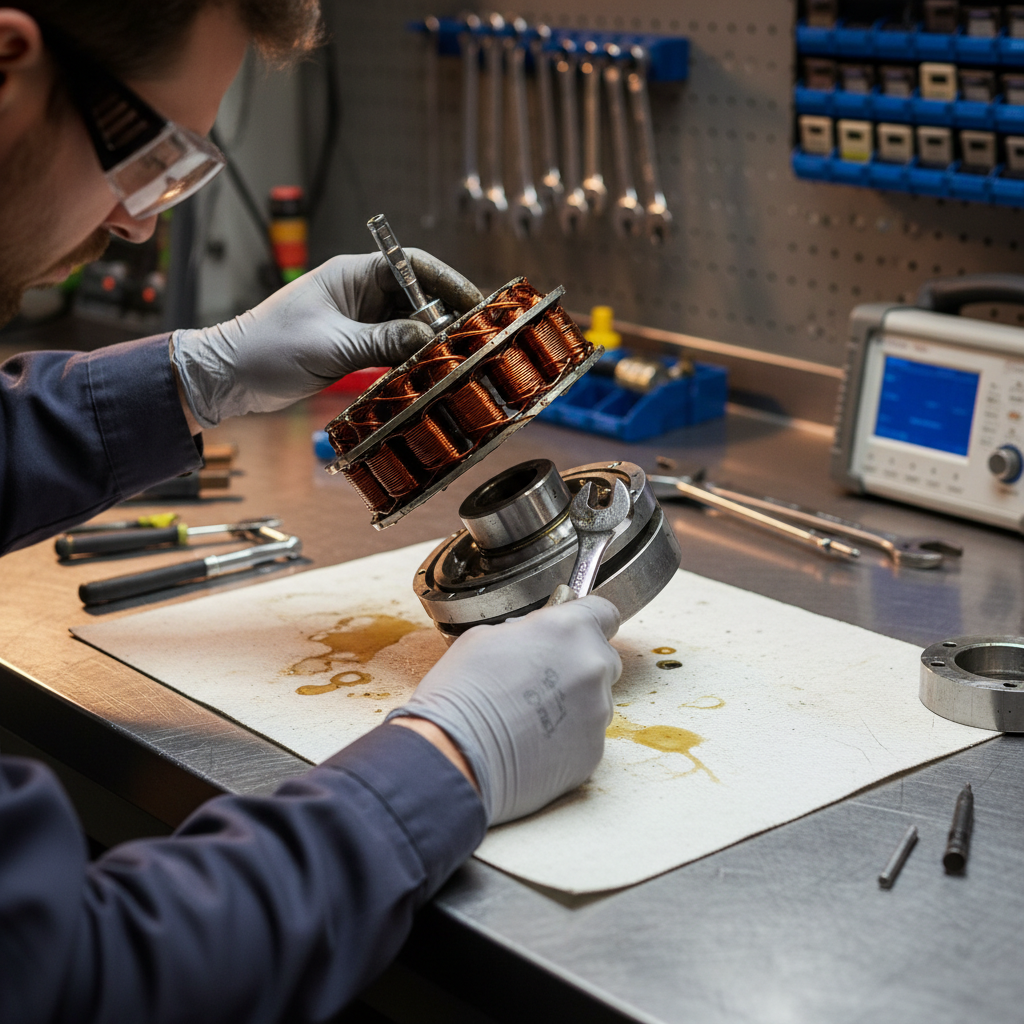
Ignoring maintenance can lead to reduced efficiency and unexpected breakdowns, which can be costly and disruptive.
Misconception 3: One-Size-Fits-All Design Works
Many people assume that a single motor design can fit all applications. However, electric motor design is highly specialized, with different types tailored for specific tasks. Factors such as torque, speed, and environmental conditions play a crucial role in selecting the right motor.
- Torque: Essential for applications requiring strong rotational force.
- Speed: Critical for operations needing precise control.
- Environment: Consideration of temperature, humidity, and other factors.
Custom designs often provide the best results, ensuring that the motor meets all operational requirements effectively.
Misconception 4: Electric Motors Are Inefficient
Some believe that electric motors are inherently inefficient. In reality, modern electric motors are designed to be highly efficient, often exceeding 90% efficiency. Advances in materials and technology have significantly improved their performance, making them more energy-efficient than ever before.
Efficient motor design contributes to reduced energy consumption and lower operating costs, making them a sustainable choice for many industries.
Misconception 5: All Electric Motors Are the Same
Not all electric motors are created equal. There are various types, including AC motors, DC motors, and stepper motors, each with its unique characteristics and applications. Understanding these differences is crucial for selecting the right motor for a specific task.
- AC Motors: Commonly used in household appliances and industrial applications.
- DC Motors: Known for precise speed control, often used in robotics.
- Stepper Motors: Ideal for applications requiring precise positioning.
Each type offers distinct advantages and is suited for different scenarios, emphasizing the importance of understanding the specific needs of your application.
By debunking these misconceptions, you can make more informed decisions about electric motor design. Understanding the nuances of motor selection and maintenance can lead to better performance and efficiency, ultimately benefiting your projects and bottom line.