
Common Misconceptions About Electric Powertrain Integration
Understanding Electric Powertrain Integration
As the automotive industry shifts towards electrification, the integration of electric powertrains has become a focal point. However, several misconceptions persist, making it crucial to separate fact from fiction. This blog post aims to clarify these common misunderstandings about electric powertrain integration.
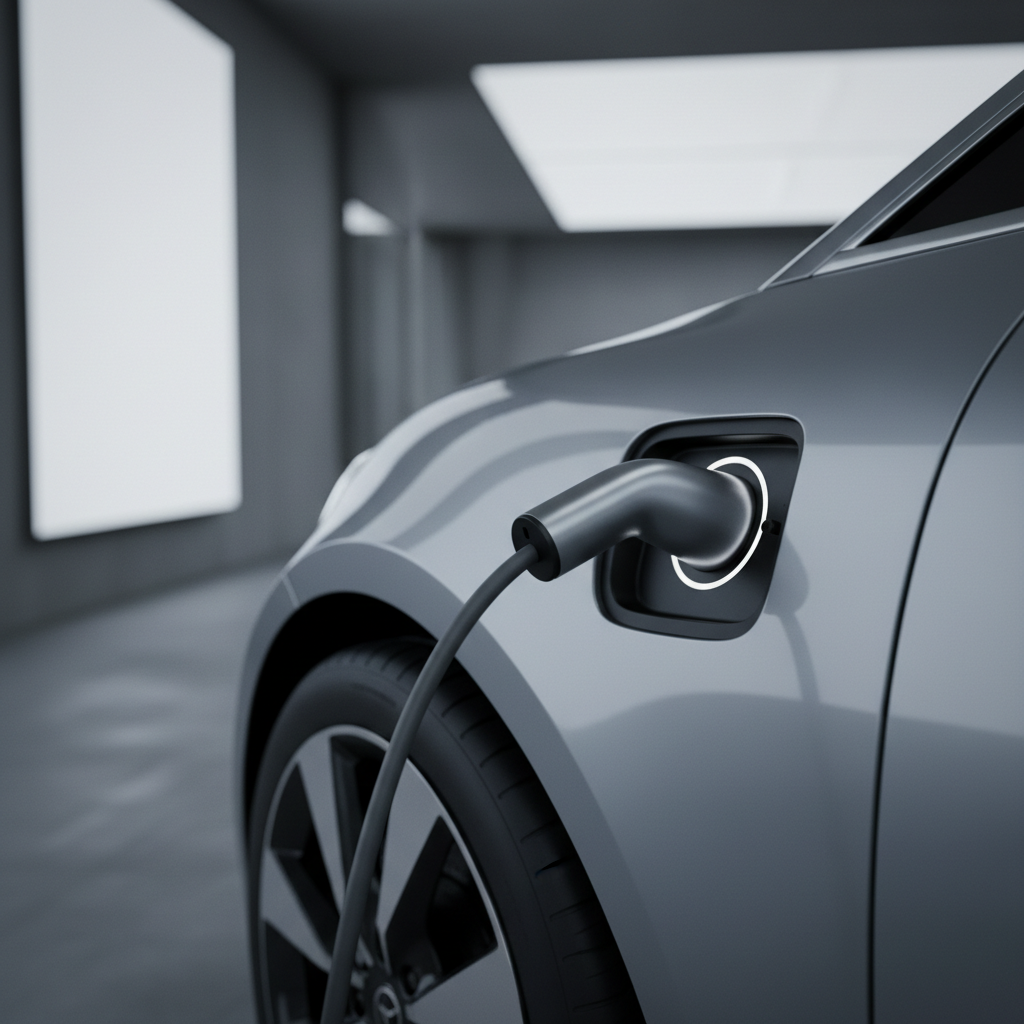
Misconception 1: Electric Powertrains Are Too Complex
One common belief is that electric powertrains are inherently more complex than traditional internal combustion engines. In reality, electric powertrains often have fewer moving parts, which can lead to less maintenance and fewer opportunities for mechanical failure. This simplicity can actually make them more reliable over time.
While the integration of software and electronics can be intricate, advancements in technology are making the process more streamlined and accessible. Manufacturers are investing in research to ensure that integration is as seamless as possible.
Misconception 2: Electric Vehicles Have Limited Range
Another widespread misconception is that electric vehicles (EVs) have limited range, making them unsuitable for long trips. However, the range of EVs has been steadily increasing, with many models now capable of traveling over 300 miles on a single charge. This improvement is due to advances in battery technology and energy-efficient powertrain systems.
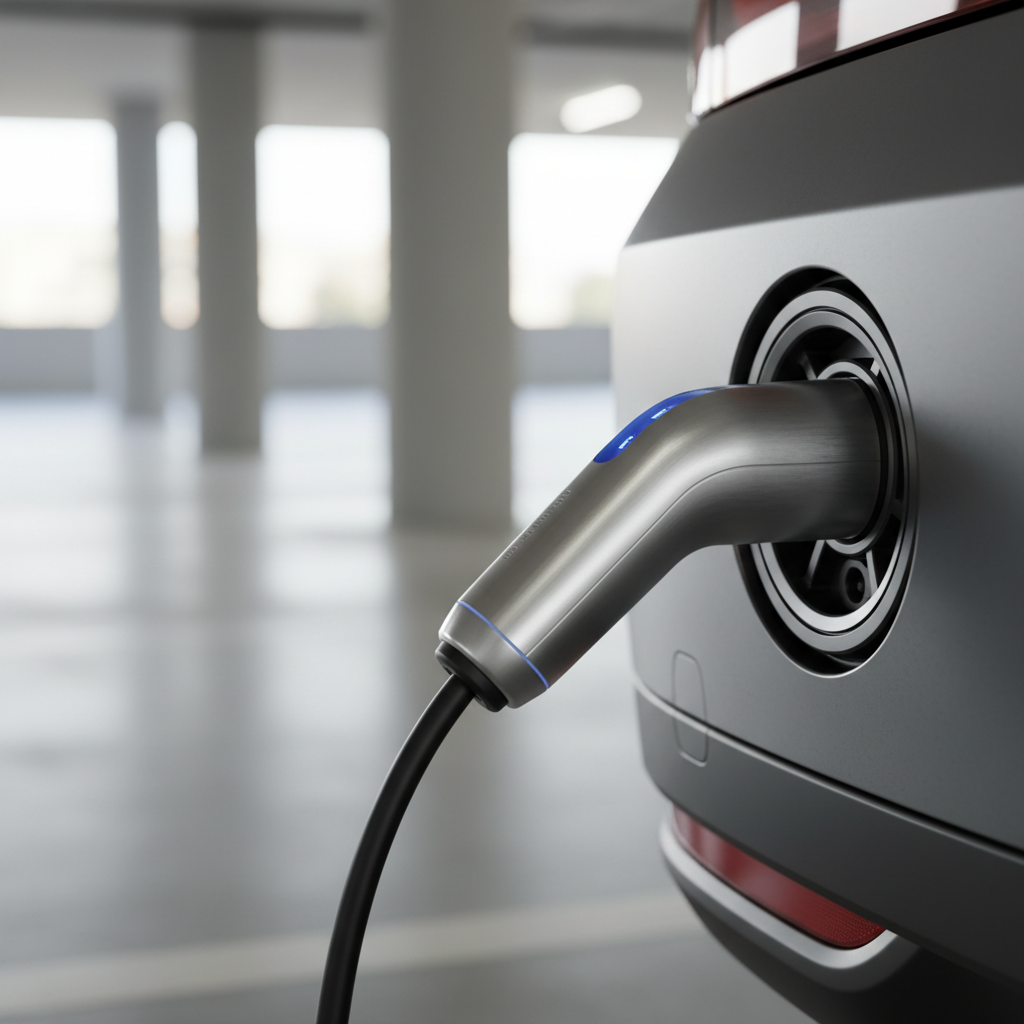
Moreover, the growing network of charging stations is alleviating range anxiety, providing more options for refueling along longer routes. As infrastructure continues to expand, range concerns are becoming less of an issue for potential EV owners.
Misconception 3: Integration Is Too Expensive
Cost is often cited as a barrier to the adoption of electric powertrains. While it's true that initial costs can be higher, it's important to consider the long-term savings. Electric vehicles generally have lower operating costs due to reduced fuel and maintenance expenses.
Additionally, government incentives and tax credits can offset the initial investment, making electric vehicles more accessible to consumers. Over time, the total cost of ownership is often comparable to, or even less than, that of traditional vehicles.
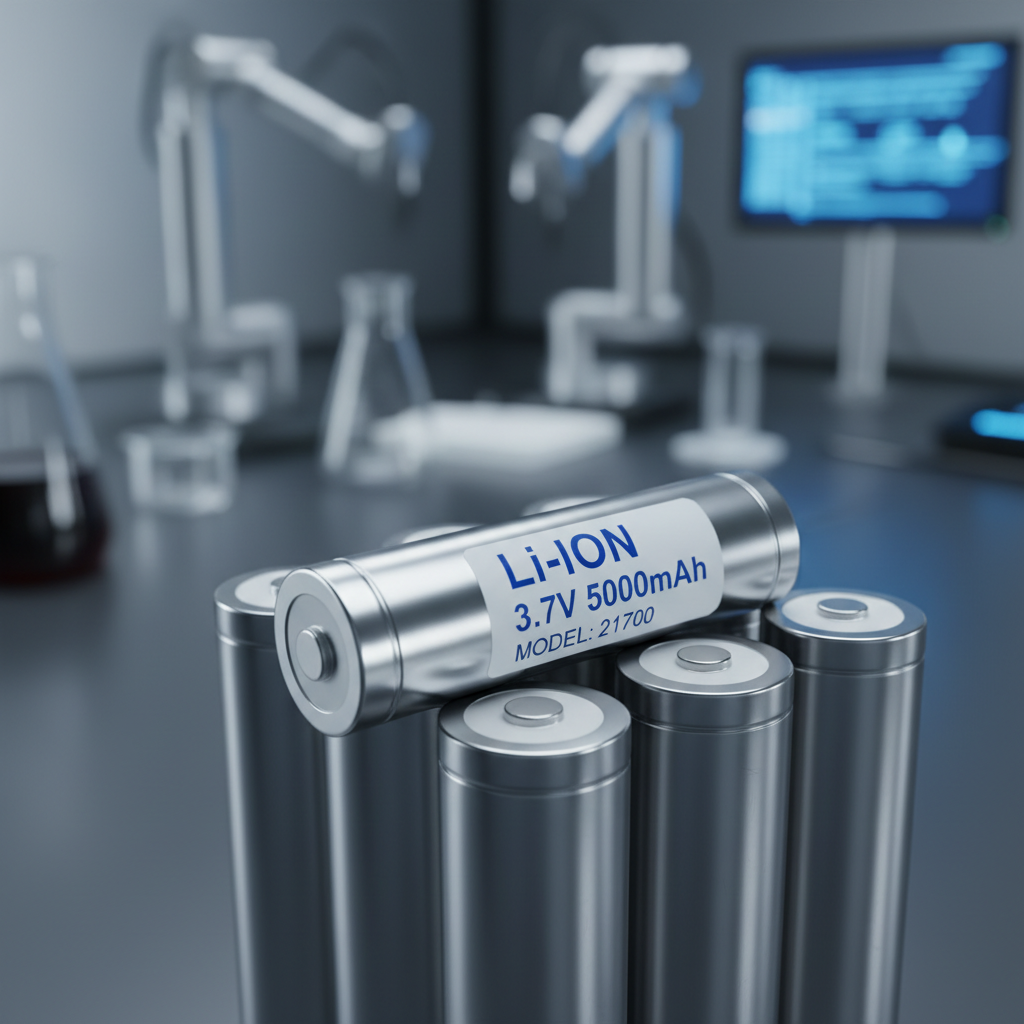
Misconception 4: Electric Powertrains Lack Performance
Some skeptics claim that electric powertrains do not offer the same performance as their gasoline counterparts. However, electric motors provide instant torque, resulting in quick acceleration and a smooth driving experience. Many electric vehicles are now outperforming traditional cars in terms of speed and handling.
Manufacturers are continually enhancing the performance capabilities of electric powertrains, challenging the outdated notion that electric means slow or inefficient.
Conclusion: Embracing the Future
Understanding the realities of electric powertrain integration is essential for embracing the future of transportation. By dispelling these misconceptions, consumers and industry professionals can make informed decisions and contribute to a more sustainable future.
As technology continues to evolve, the integration of electric powertrains will only become more efficient and widespread, paving the way for an exciting era of innovation in the automotive industry.