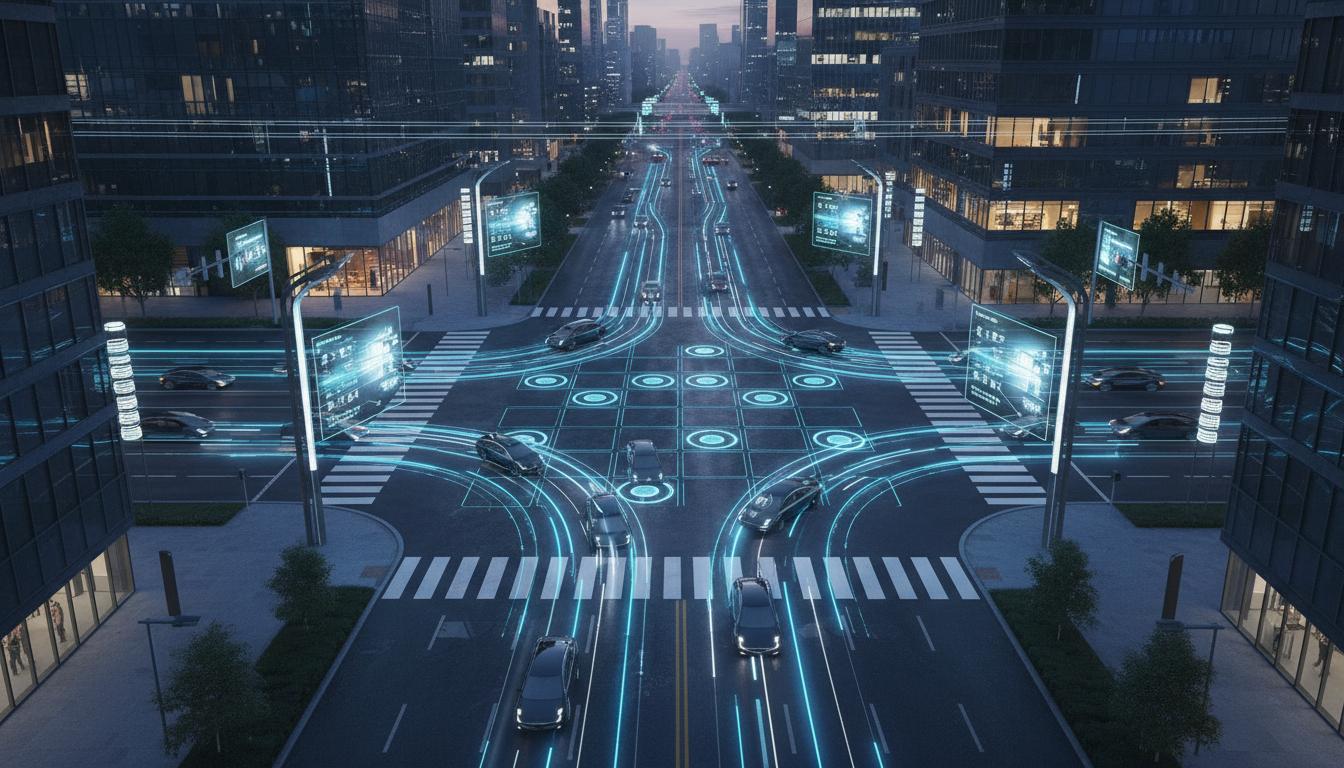
Debunking Common Myths About Electric Powertrains
Myth 1: Electric Powertrains Are Too Expensive
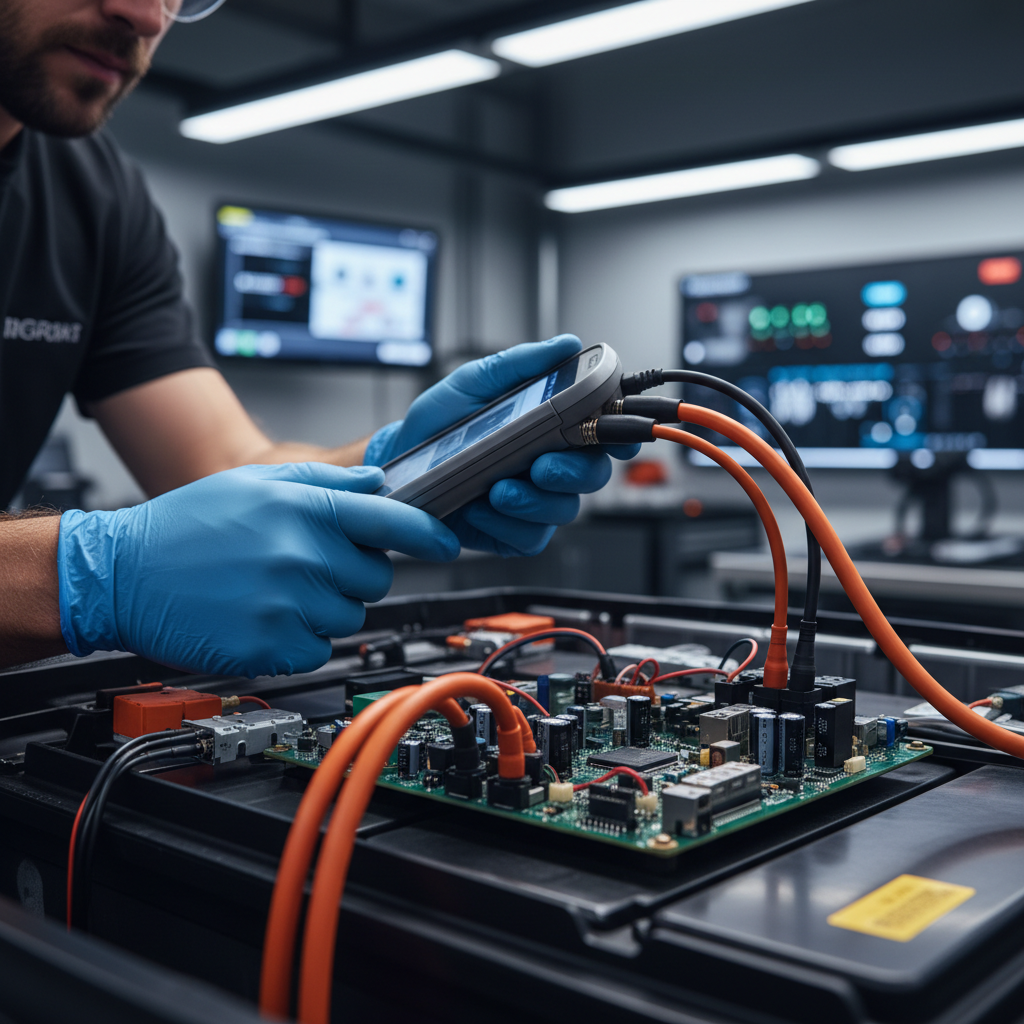
One of the most persistent myths about electric powertrains is that they are prohibitively expensive for the average consumer. While it's true that the initial purchase price can be higher than that of traditional vehicles, the gap is steadily closing. Advances in battery technology and increased production have significantly reduced costs over the years.
Moreover, electric vehicles (EVs) often come with financial incentives such as tax credits and rebates, which can further alleviate the initial expense. Additionally, when considering the total cost of ownership, EVs often prove to be more economical due to lower fuel and maintenance costs.
Myth 2: Electric Vehicles Lack Range
Another common misconception is that electric vehicles lack sufficient range for long-distance travel. While early models had limited range capabilities, modern EVs can travel significantly farther on a single charge. Today, many electric cars offer ranges that exceed 250 miles, with some premium models surpassing 400 miles.
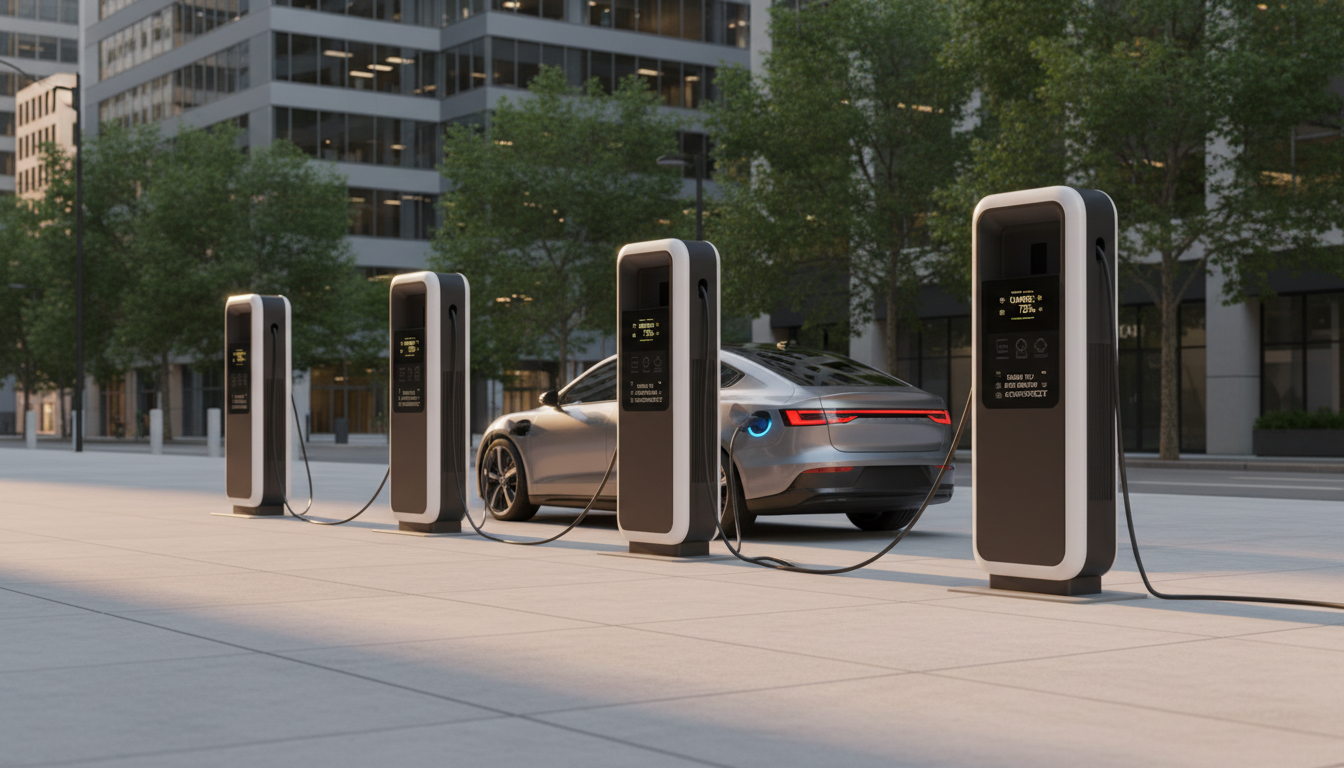
Infrastructure for charging is also expanding rapidly, making it easier than ever to find charging stations on the go. Innovations in battery technology continue to enhance range capabilities, further dispelling this myth.
Myth 3: Electric Vehicles Are Slow
Contrary to popular belief, electric vehicles are not sluggish. In fact, they can offer exceptional acceleration due to the instant torque provided by electric motors. Many electric models can rival or even outperform their gasoline counterparts in terms of speed and acceleration.
Performance-focused electric vehicles are becoming increasingly common, showcasing that quick acceleration and top speeds are not exclusive to traditional combustion engines.
Myth 4: Electric Powertrains Are Not Environmentally Friendly
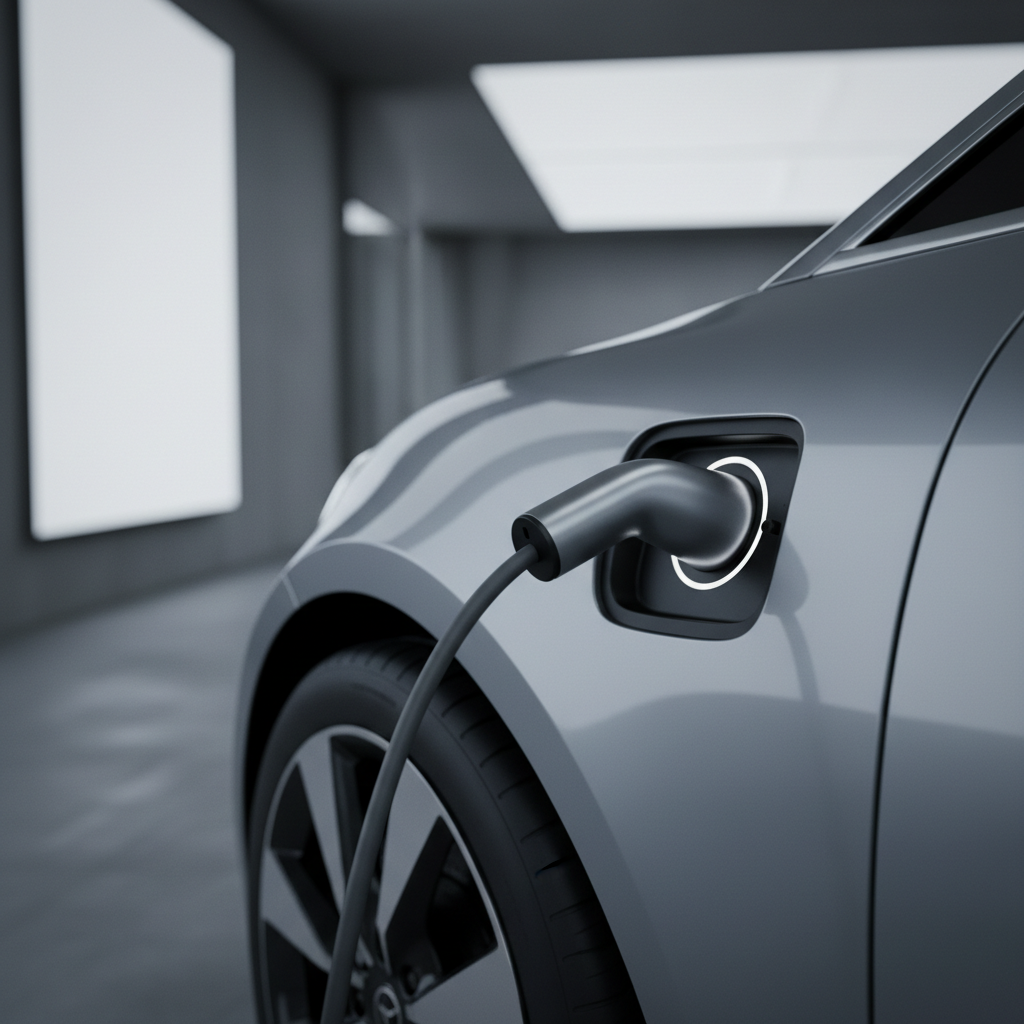
Some argue that electric vehicles are not as environmentally friendly as advertised, citing the environmental impact of battery production and electricity generation. However, studies have shown that over their lifetime, EVs typically produce fewer emissions than traditional vehicles.
As the energy grid becomes greener with the integration of renewable energy sources, the environmental benefits of electric vehicles will only continue to increase. Moreover, recycling programs for EV batteries are improving, further mitigating environmental concerns.

Myth 5: Electric Vehicles Are Not Practical for Everyday Use
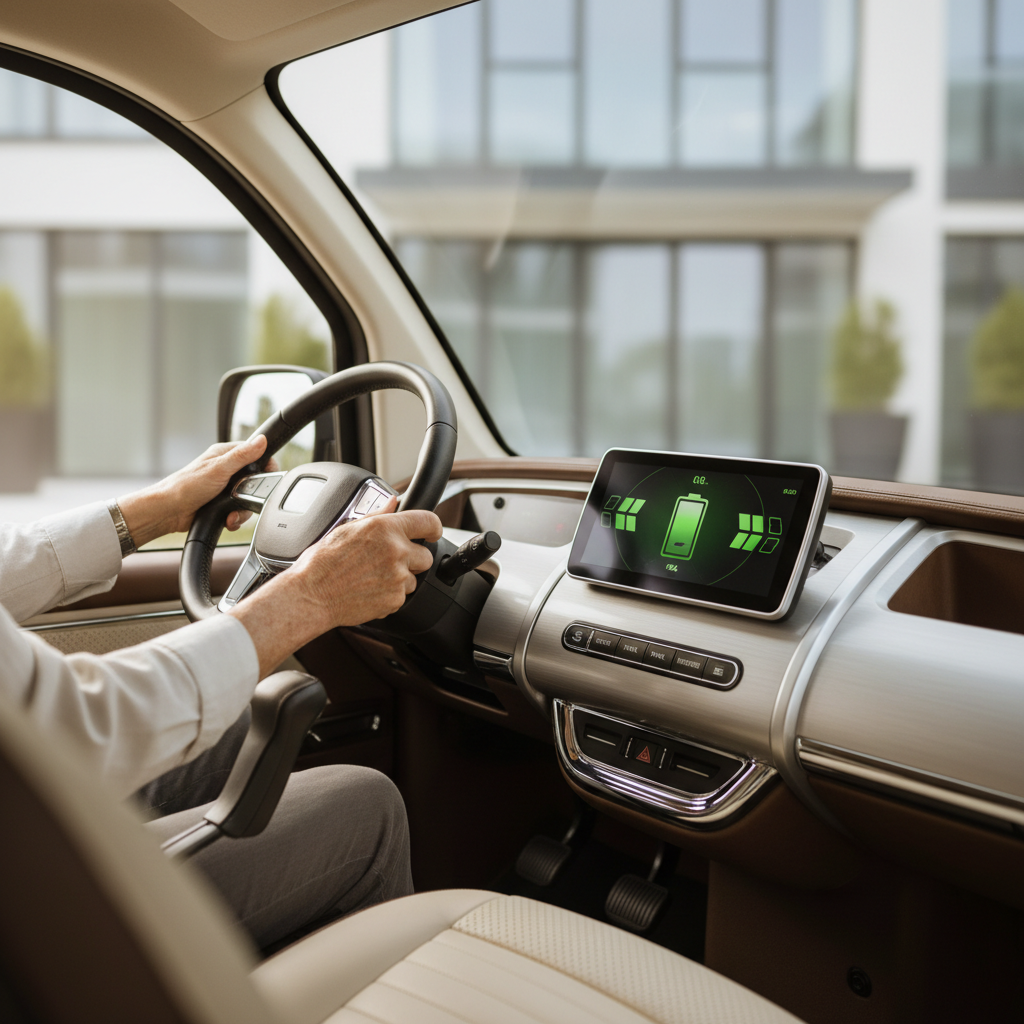
Concerns about practicality often arise when discussing electric vehicles. However, advancements in technology and infrastructure have made EVs a viable option for daily use. Many models now offer features such as fast charging and extensive connectivity options, catering to various lifestyle needs.
Electric vehicles are also designed with user convenience in mind, offering spacious interiors and innovative tech features, making them suitable for families and individuals alike.
Myth 6: Electric Powertrains Are a Passing Trend
Lastly, some believe that electric powertrains are just a temporary trend. However, the automotive industry is heavily investing in the development and production of electric vehicles, indicating their long-term viability.
Governments worldwide are also implementing policies to encourage the adoption of EVs, further solidifying their place in the future of transportation. As technology continues to advance, electric powertrains are poised to become a mainstay in the automotive world.