
Electric Motor Design: A Comprehensive Guide for OEMs and Startups
Designing an electric motor is a complex process that requires a deep understanding of various components and their interactions. For Original Equipment Manufacturers (OEMs) and startups, getting the design right is crucial for achieving optimal performance and efficiency. This guide delves into the key aspects of electric motor design, offering insights to help you navigate the challenges and opportunities in this field.
Understanding the Basics of Electric Motors
Electric motors convert electrical energy into mechanical energy through electromagnetic interactions. The two primary types of electric motors are AC (Alternating Current) and DC (Direct Current) motors. Each type has its own set of advantages, making it suitable for specific applications. Understanding these fundamentals will help you determine the best motor type for your project.
AC motors are commonly used in applications requiring high power and efficiency, such as industrial machinery. In contrast, DC motors are favored for their speed control and ease of integration into battery-powered systems. It’s essential to weigh these characteristics against your project requirements.
Key Components of an Electric Motor
Stator and Rotor
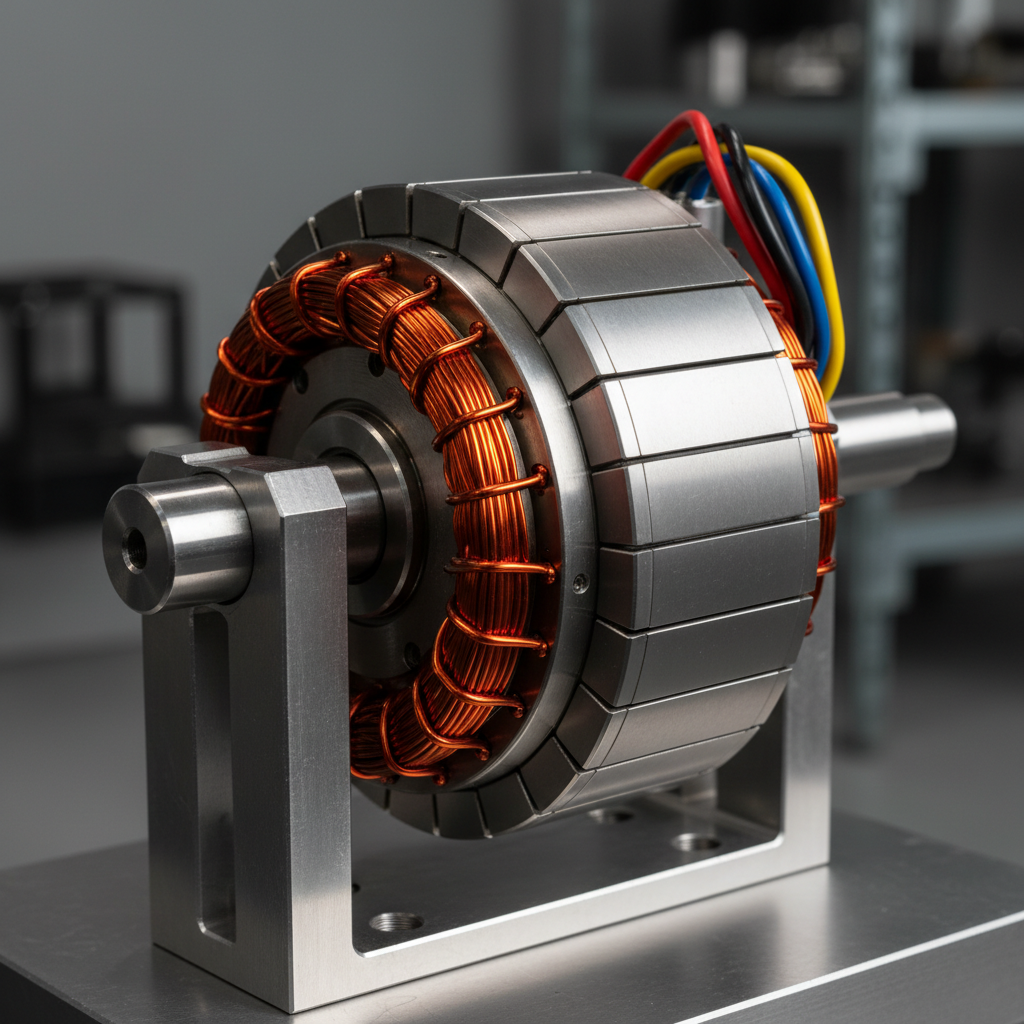
The stator and rotor are the two main components of any electric motor. The stator is the stationary part, typically composed of windings or permanent magnets. The rotor, on the other hand, is the moving part that turns within the stator to produce mechanical motion. Selecting the right materials and design for these components is critical for maximizing efficiency and performance.
Windings
Windings are coils of wire wrapped around the stator or rotor. They play a vital role in generating the magnetic field necessary for motor operation. The choice of wire gauge, insulation, and winding technique can significantly impact the motor’s overall efficiency and lifespan.
Design Considerations for OEMs and Startups
Efficiency and Performance
For both OEMs and startups, achieving high efficiency is a top priority. This not only reduces energy consumption but also minimizes heat generation, which can lead to longer motor life. Consider advanced design techniques such as optimizing the magnetic circuit and reducing losses through improved materials.
Cost and Scalability
Balancing cost and scalability is crucial, especially for startups. While cutting-edge materials and designs can offer superior performance, they may also drive up costs. It's important to find a balance that allows for scalable production without compromising quality. Exploring partnerships and bulk purchasing agreements can also contribute to cost efficiency.
Testing and Prototyping
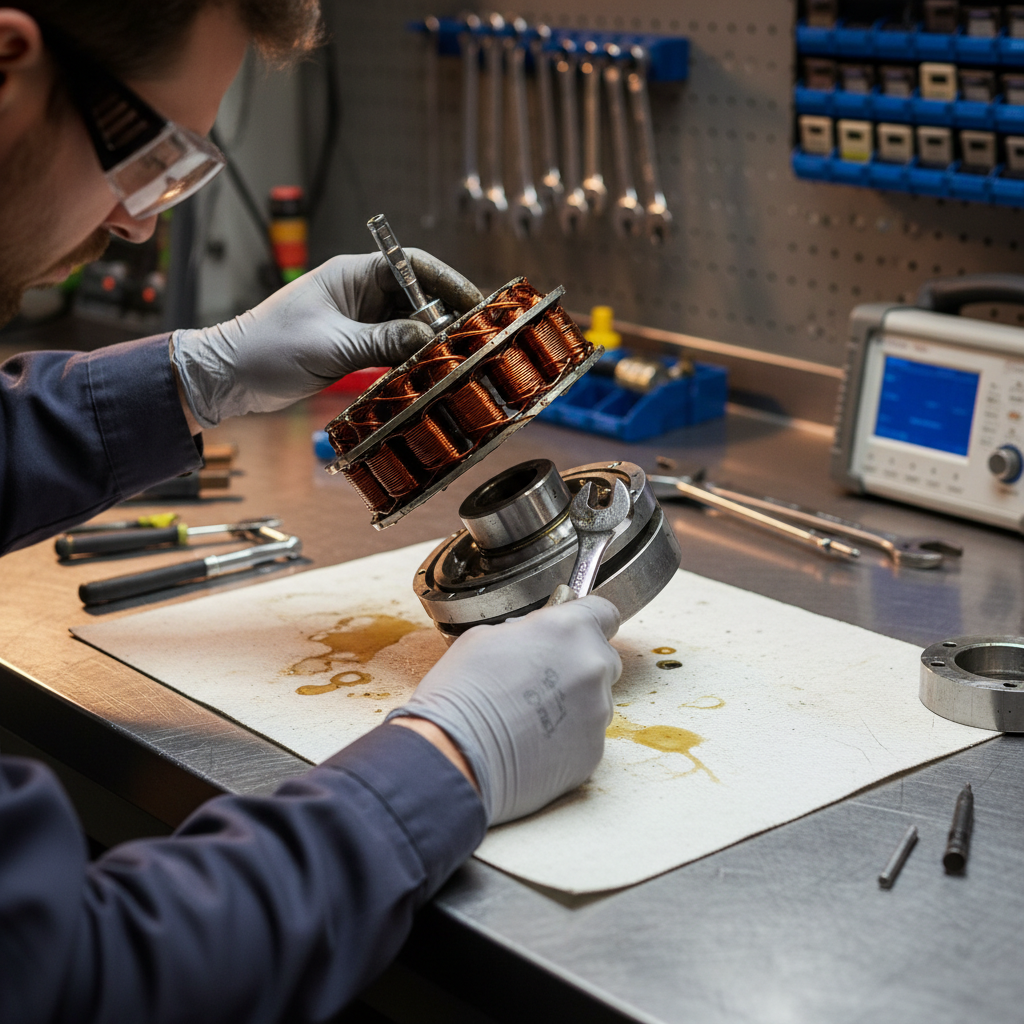
Before finalizing your electric motor design, rigorous testing and prototyping are essential. This phase helps identify potential issues and allows for adjustments to optimize performance. Using simulation software can also provide valuable insights, helping you refine the design before moving to physical prototypes.
In conclusion, electric motor design is a multifaceted process requiring a blend of technical knowledge and strategic planning. By focusing on key components, efficiency, and cost management, OEMs and startups can develop motors that meet their specific needs and stand out in competitive markets.