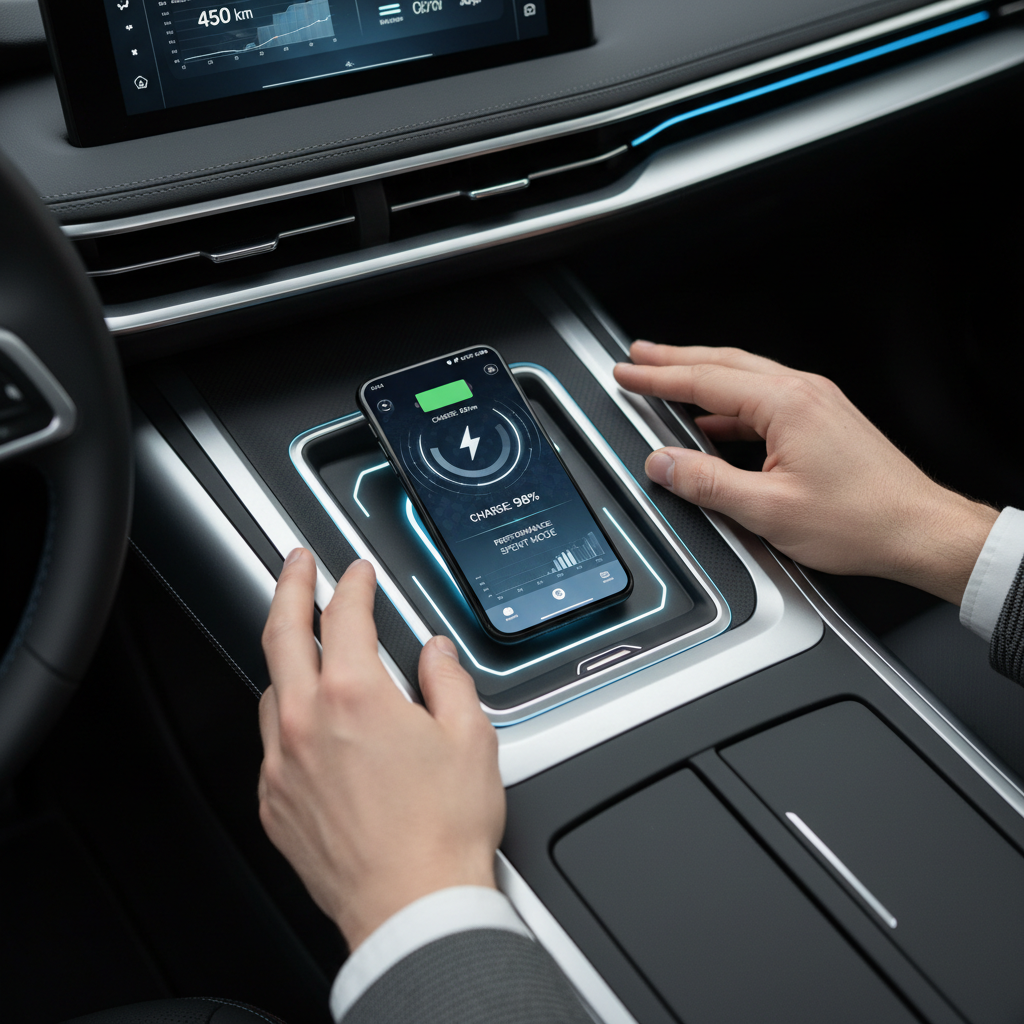
Electric Powertrain Systems: A Comprehensive Guide to Design and Integration
The evolution of automotive technology has brought electric powertrain systems to the forefront of modern vehicle design. As the world shifts towards cleaner energy solutions, understanding the intricacies of these systems becomes essential for engineers, designers, and enthusiasts alike. This comprehensive guide delves into the design and integration of electric powertrain systems, offering insights into their components, benefits, and challenges.
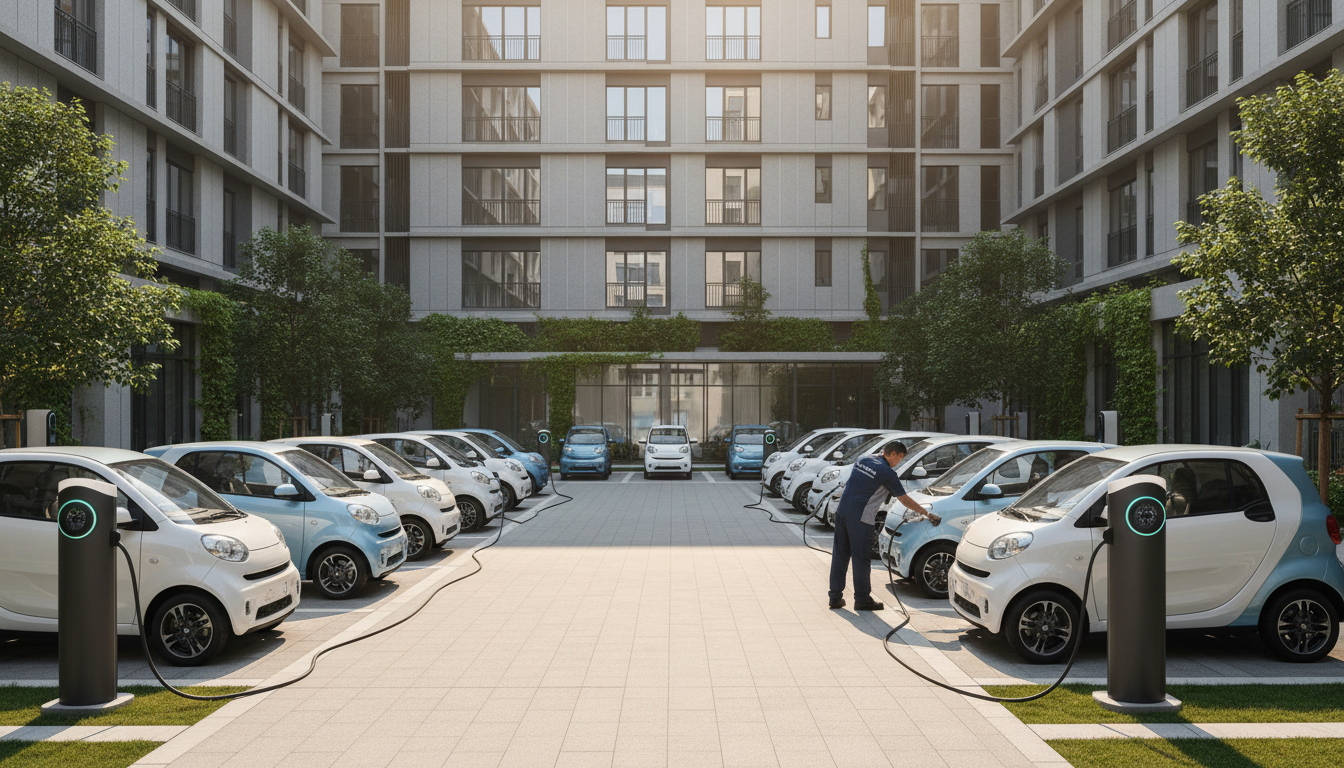
Understanding Electric Powertrain Systems
Electric powertrain systems are the backbone of electric vehicles (EVs), responsible for converting electric energy into mechanical energy to propel the vehicle. Unlike traditional internal combustion engines, these systems rely on electric motors, batteries, and power electronics to function. The transition to electric powertrains not only reduces carbon emissions but also enhances vehicle efficiency and performance.
The core components of an electric powertrain include the battery pack, electric motor, inverter, and transmission. Each plays a crucial role in ensuring the vehicle operates smoothly and efficiently. While the battery stores electrical energy, the motor converts this energy into mechanical power. The inverter manages the flow of electricity between the battery and motor, and the transmission delivers power to the wheels.
Key Components of Electric Powertrain Systems
The Battery Pack
The battery pack is the heart of an electric vehicle, providing the energy needed to drive the motor. Lithium-ion batteries are the most commonly used due to their high energy density and long lifecycle. Engineers focus on optimizing battery capacity, weight, and thermal management to enhance vehicle range and performance.
Electric Motors
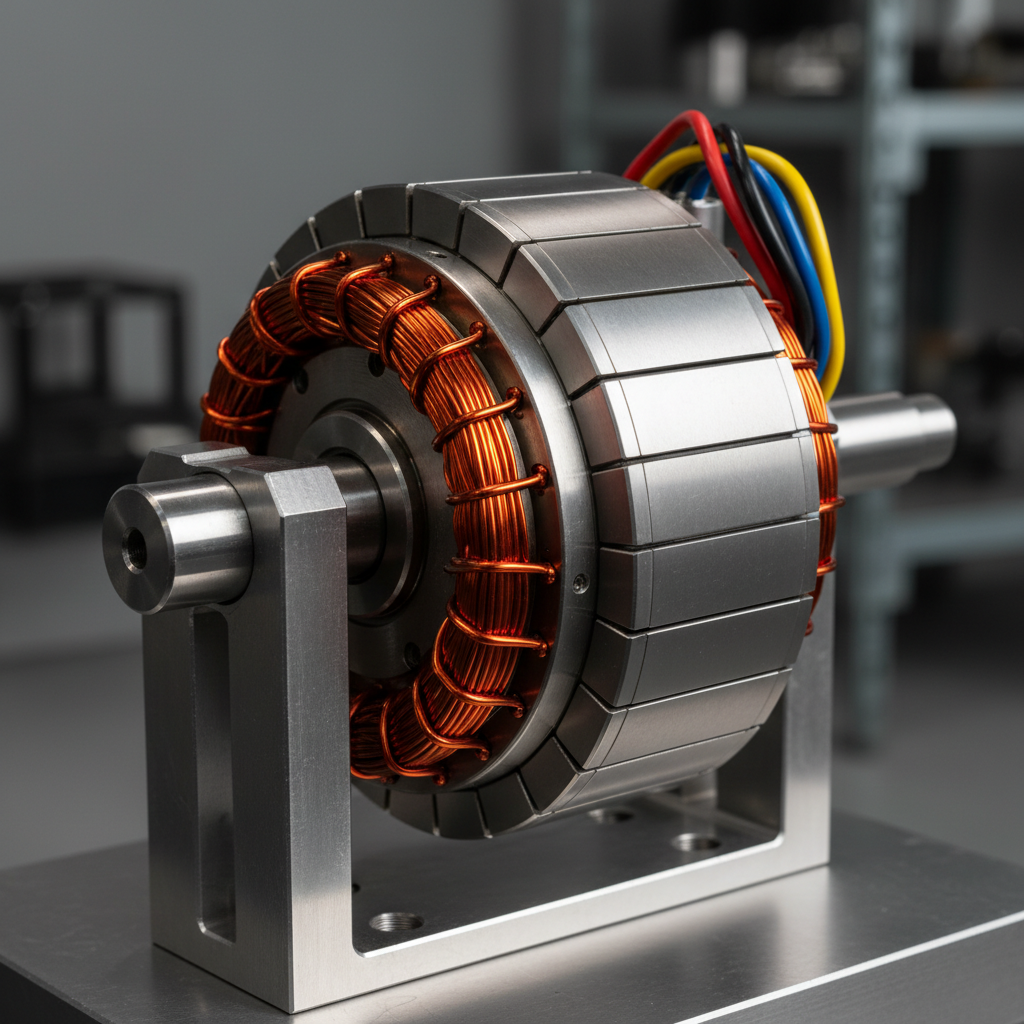
Electric motors convert electrical energy into mechanical energy, propelling the vehicle forward. There are various types of motors used in electric vehicles, including DC, induction, and permanent magnet synchronous motors. Each type offers unique advantages in terms of efficiency, cost, and complexity.
Integration Challenges and Solutions
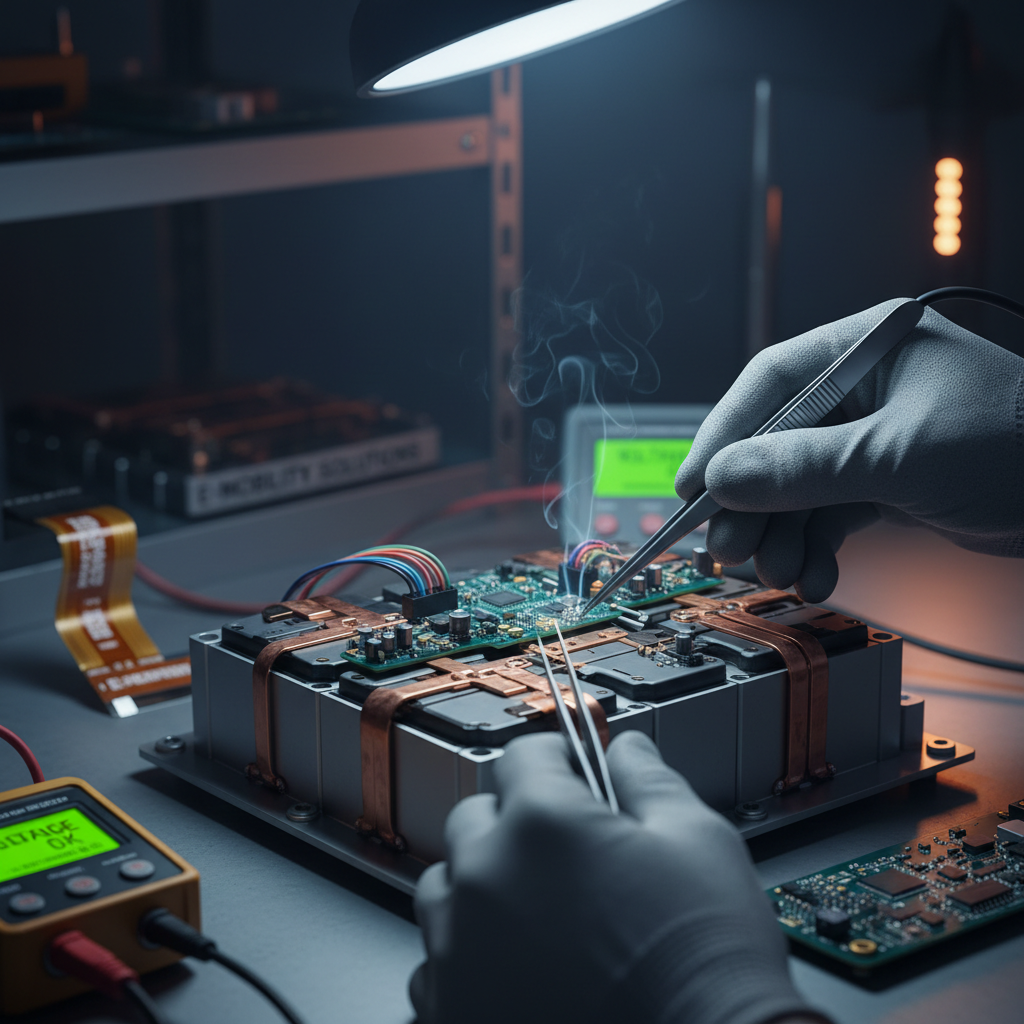
The integration of electric powertrain systems into vehicles presents several challenges, such as weight distribution, thermal management, and system compatibility. Engineers must carefully design the layout to ensure optimal performance and safety. This often involves innovative solutions such as liquid cooling systems for batteries and lightweight materials to offset additional weight.
Moreover, the integration process must consider the vehicle's overall design and functionality. This includes ensuring that the electric powertrain system works seamlessly with other vehicle components, such as the braking and steering systems. Advanced software tools and simulation models play a vital role in achieving this integration.
The Future of Electric Powertrain Systems
As technology continues to advance, the future of electric powertrain systems looks promising. Innovations in battery technology, such as solid-state batteries, promise to increase energy density and reduce charging times. Additionally, the development of more efficient motors and power electronics will further enhance vehicle performance and range.
Collaboration between automotive manufacturers, technology companies, and research institutions is crucial for driving innovation in electric powertrain systems. By pooling resources and expertise, these entities can overcome existing challenges and pave the way for a more sustainable automotive future.