
Electric Powertrain Systems: Key to Accelerating Development Cycles
Understanding Electric Powertrain Systems
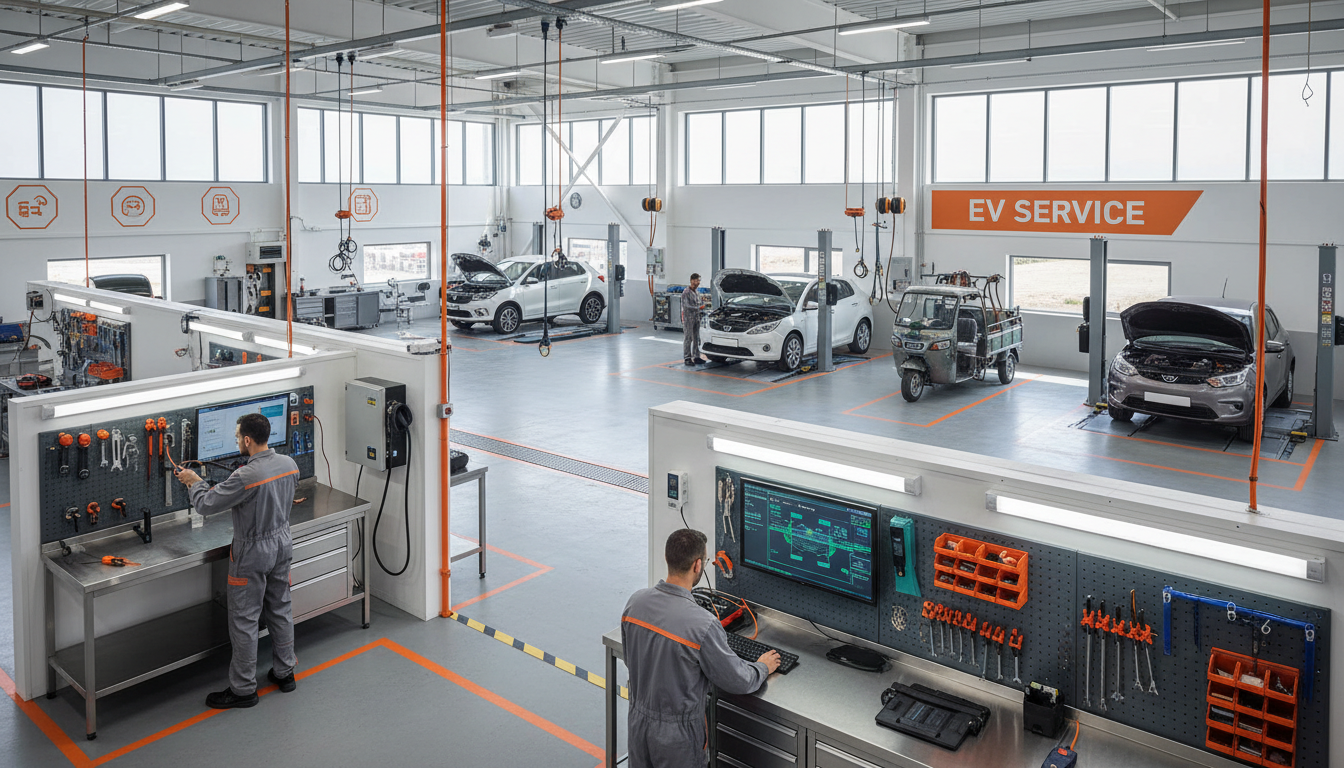
Electric powertrain systems are revolutionizing the automotive industry by streamlining development cycles and enhancing vehicle performance. These systems, which replace traditional internal combustion engines, consist of components such as electric motors, battery packs, and power electronics. By integrating these elements, manufacturers can produce more efficient and environmentally friendly vehicles.
The shift to electric powertrains is driven by a combination of regulatory pressures, technological advancements, and consumer demand for sustainable transportation options. This transition not only reduces emissions but also accelerates the development process by simplifying the powertrain architecture.
Components of Electric Powertrain Systems
Electric Motors
The electric motor is the heart of any electric powertrain system. It converts electrical energy into mechanical energy, propelling the vehicle forward. Unlike internal combustion engines, electric motors provide instant torque, contributing to faster acceleration and a smoother driving experience.
Battery Packs
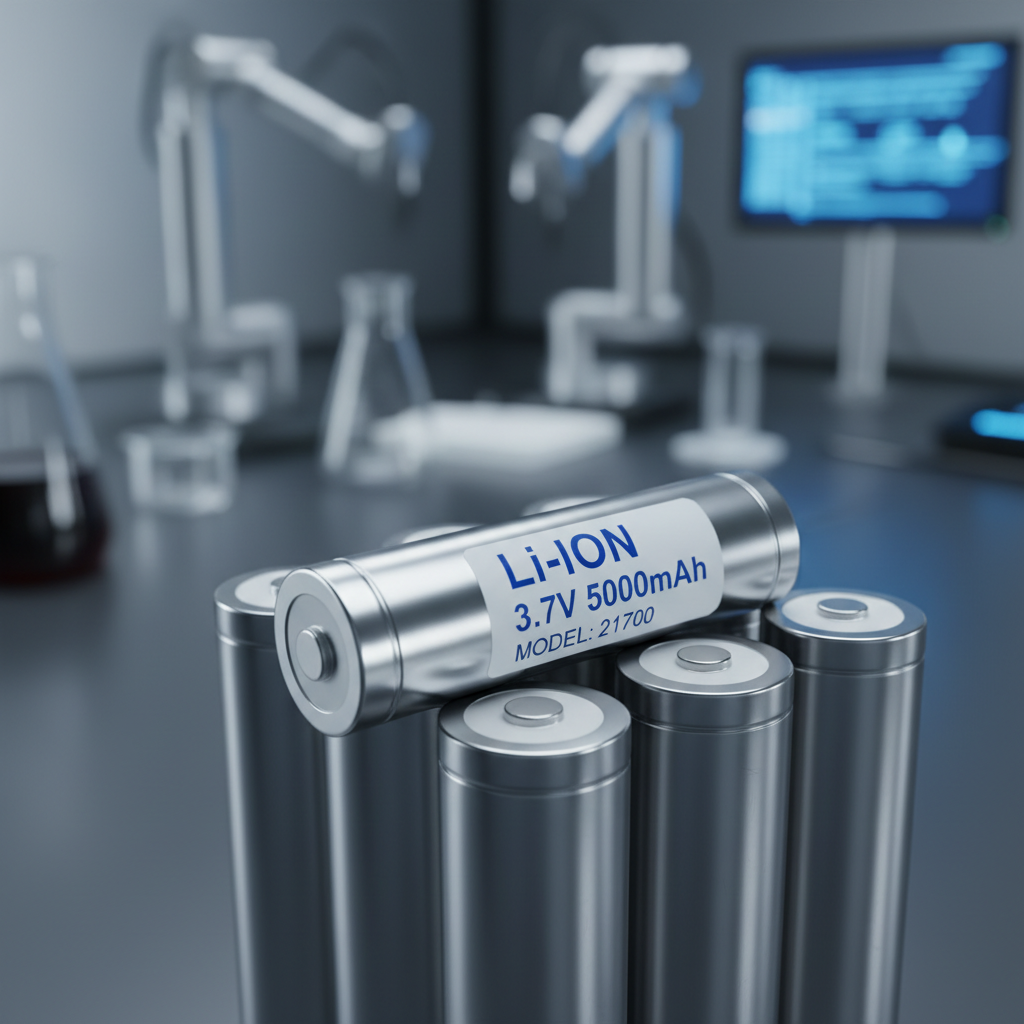
Battery packs store the energy required to power the electric motor. Advances in battery technology have led to increased energy density, allowing vehicles to travel longer distances on a single charge. Efficient battery management systems further optimize energy use and extend battery life.
Advantages of Electric Powertrain Systems
Environmental Benefits
One of the most significant advantages of electric powertrains is their reduced environmental impact. By eliminating tailpipe emissions, electric vehicles contribute to cleaner air and reduced greenhouse gas emissions. This shift is crucial for combating climate change and promoting sustainable urban mobility.
Enhanced Performance
Electric powertrains offer superior performance characteristics compared to traditional engines. The instant torque delivery and simplified drivetrain result in quicker acceleration and responsive handling. Additionally, the absence of a complex transmission system reduces maintenance needs and increases reliability.

Accelerating Development Cycles
Electric powertrain systems streamline the vehicle development process by reducing complexity. Traditional engines require numerous components, each adding to the design and manufacturing timeline. In contrast, electric powertrains have fewer moving parts, allowing for faster prototyping and testing.
Moreover, electric powertrains enable modular design approaches, where components can be easily replaced or upgraded. This flexibility allows manufacturers to iterate quickly, incorporating the latest technological advancements without extensive redesigns.
Challenges and Future Outlook
Despite their benefits, electric powertrains face challenges such as high initial costs and limited charging infrastructure. However, ongoing research and development are addressing these issues, with improvements in battery technology and expanded charging networks on the horizon.
The future of electric powertrain systems looks promising, with continued advancements expected to further accelerate development cycles. As technology evolves and economies of scale are achieved, electric vehicles will become increasingly accessible, driving a global shift towards sustainable transportation.