
FAQs About Electric Vehicles: Busting Myths and Answering Common Questions
Understanding Electric Vehicles
Electric vehicles (EVs) have gained significant popularity in recent years. However, there are still many misconceptions surrounding them. In this blog post, we aim to bust some common myths and answer frequently asked questions about EVs.
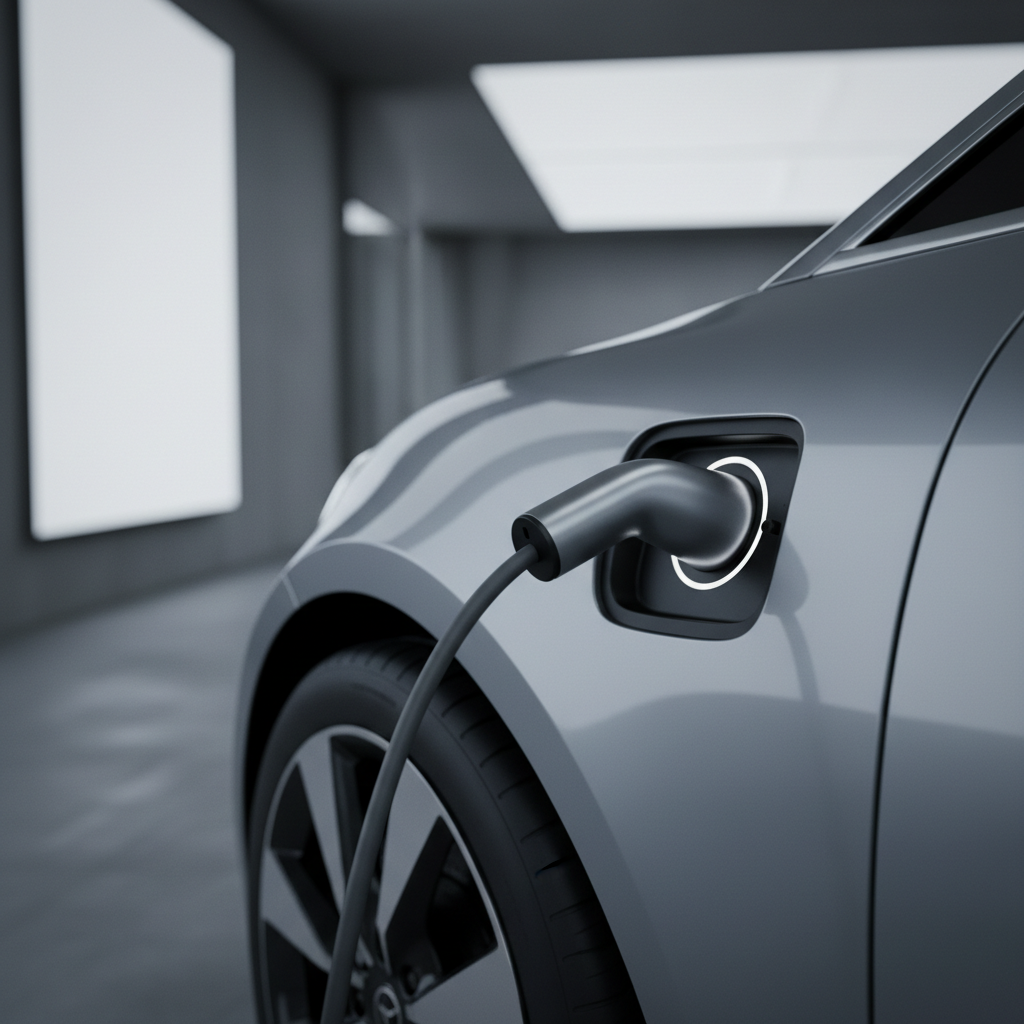
How Do Electric Vehicles Work?
Electric vehicles operate by using an electric motor instead of a conventional internal combustion engine. The motor is powered by a battery pack, which is rechargeable. EVs are known for their quiet operation and efficiency. They produce zero tailpipe emissions, making them an environmentally friendly option.
One common question is about the range of EVs. Many people worry that they can't travel long distances. However, modern electric vehicles can travel anywhere from 100 to over 300 miles on a single charge, depending on the model and battery capacity.
Charging Infrastructure
Where Can I Charge My Electric Vehicle?
Charging infrastructure for electric vehicles is expanding rapidly. You can charge your EV at home using a standard outlet or a dedicated home charging station. Public charging stations are also widely available in cities, along highways, and at various commercial locations.
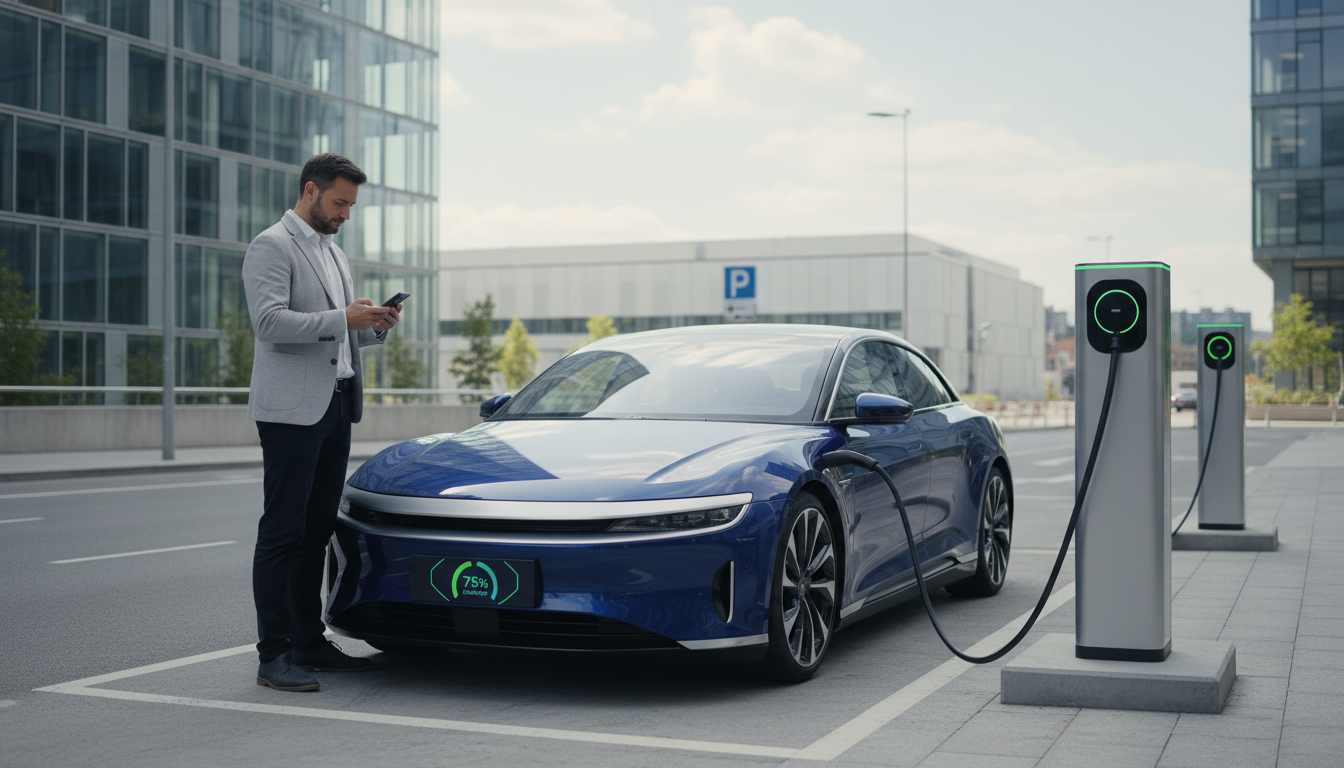
There are three main types of chargers: Level 1, Level 2, and DC fast chargers. Level 1 chargers use a standard household outlet and are the slowest. Level 2 chargers are faster and require a dedicated outlet. DC fast chargers provide the quickest charge and are often found along major travel routes.
Is Charging an EV Expensive?
Charging an electric vehicle is generally cheaper than fueling a gasoline car. The cost depends on electricity rates and the vehicle's efficiency. Many EV owners find it more economical to charge their vehicles at home during off-peak hours when electricity rates are lower.
Myths About Electric Vehicles
Are EVs Less Powerful Than Gasoline Cars?
This is a common myth. In reality, electric vehicles can be just as powerful, if not more so, than traditional gasoline vehicles. Electric motors provide instant torque, which means EVs can accelerate quickly and smoothly.

Another myth is that EVs are not suitable for cold weather. While it's true that cold temperatures can affect battery performance, many EVs come equipped with battery management systems to mitigate these effects.
Do Electric Vehicles Require Less Maintenance?
Yes, electric vehicles typically require less maintenance than gasoline cars. They have fewer moving parts, which means there is less that can go wrong. There are no oil changes, fuel filters, spark plugs, or exhaust systems to worry about.
Overall, electric vehicles represent a significant step forward in automotive technology. As infrastructure continues to grow and technology advances, EVs are becoming a more viable option for many drivers. By debunking common myths and answering frequently asked questions, we hope to make the transition to electric vehicles smoother for those considering the switch.