
How E-Axle Optimization Enhances Electric Vehicle Performance
Electric vehicles (EVs) have revolutionized the automotive industry by offering a sustainable alternative to traditional combustion engines. A key component in enhancing their performance is the optimization of the e-axle. This innovation plays a pivotal role in improving efficiency, power, and driving experience.
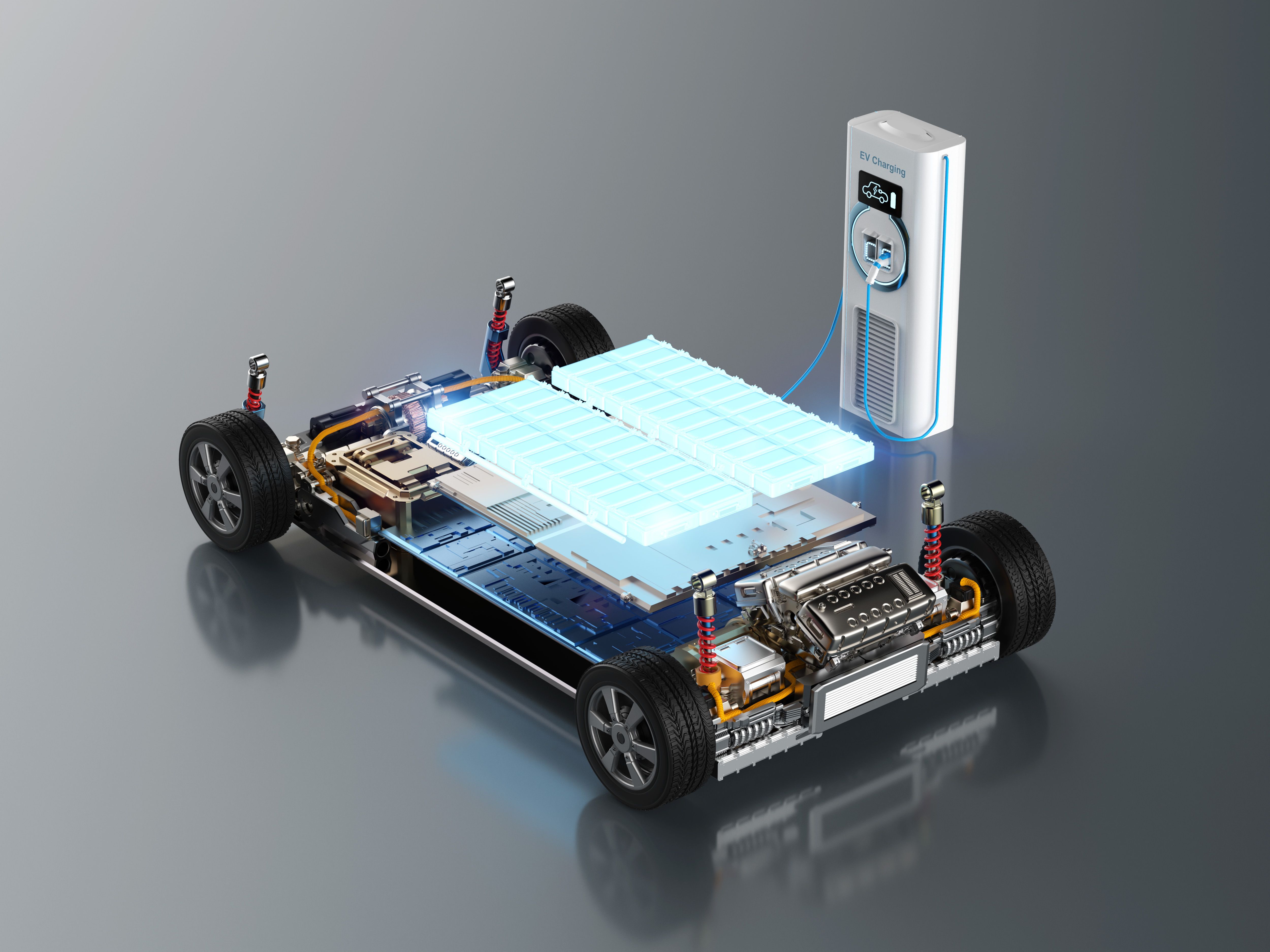
Understanding the E-Axle
The e-axle is an integrated unit that combines the electric motor, power electronics, and transmission into a single compact system. This integration simplifies the drivetrain and reduces the overall weight of the vehicle, leading to enhanced performance and efficiency. By optimizing the e-axle, manufacturers can significantly improve the EV's range and power output.
Key Benefits of E-Axle Optimization
Optimizing the e-axle brings several benefits to electric vehicles:
- Increased Efficiency: A well-optimized e-axle reduces energy loss, allowing for more efficient power transfer from the battery to the wheels.
- Enhanced Power: By improving the design and materials used in the e-axle, manufacturers can achieve higher torque and power, leading to better acceleration and performance.
- Space and Weight Reduction: Integration of components into a single unit reduces the space required and overall weight, contributing to the vehicle's range and handling.

Technological Innovations in E-Axle Design
Recent advancements in materials and design have allowed for significant improvements in e-axle technology. Lightweight materials such as aluminum and advanced composites are now commonly used to enhance performance without sacrificing strength. Additionally, innovative cooling systems ensure that the e-axle operates efficiently under various conditions.
Impact on Driving Experience
Optimizing the e-axle not only improves technical specifications but also enhances the overall driving experience. With better torque delivery and smoother acceleration, drivers enjoy a more responsive and engaging ride. The quieter operation of optimized e-axles also contributes to a more pleasant and comfortable driving environment.

Future Trends in E-Axle Technology
As technology continues to evolve, the future of e-axle optimization looks promising. Emerging trends such as artificial intelligence and machine learning are being leveraged to create smarter, more adaptive systems. These technologies enable real-time adjustments to optimize performance based on driving conditions and driver habits.
Conclusion
Optimizing the e-axle is a crucial step in enhancing the performance of electric vehicles. By focusing on efficiency, power, and driving experience, manufacturers can deliver EVs that not only meet but exceed consumer expectations. As technology advances, the potential for further optimization continues to grow, promising an exciting future for electric mobility.