
How Electric Drivetrain Engineering Services Are Transforming eMobility
The Rise of Electric Drivetrain Engineering
With the rapid advancement of eMobility, electric drivetrain engineering services have become pivotal in transforming how we understand and utilize electric vehicles (EVs). These services are at the core of developing efficient, powerful, and sustainable electric drivetrains that meet the demands of modern transportation.
Electric drivetrains are more than just the sum of their parts; they represent a shift in engineering philosophy. Unlike traditional drivetrains, which rely on internal combustion engines, electric drivetrains focus on maximizing efficiency and performance through innovative technologies.

Key Components of Electric Drivetrains
Electric drivetrains consist of several critical components that work together to power the vehicle. These include:
- Electric Motors: Responsible for converting electrical energy into mechanical energy, these motors are the heart of the drivetrain.
- Battery Packs: Providing the necessary power, these are designed to store and manage energy efficiently.
- Power Electronics: These components manage the flow of electricity between the battery and motor, optimizing performance.
Advanced engineering services focus on optimizing these components to ensure they work seamlessly together, enhancing the overall performance of the vehicle.
Innovations Driving eMobility Forward
The field of electric drivetrain engineering is ripe with innovation. Engineers are continuously exploring new materials, designs, and technologies to push the boundaries of what's possible. This includes advancements in motor efficiency, battery life, and energy management systems.
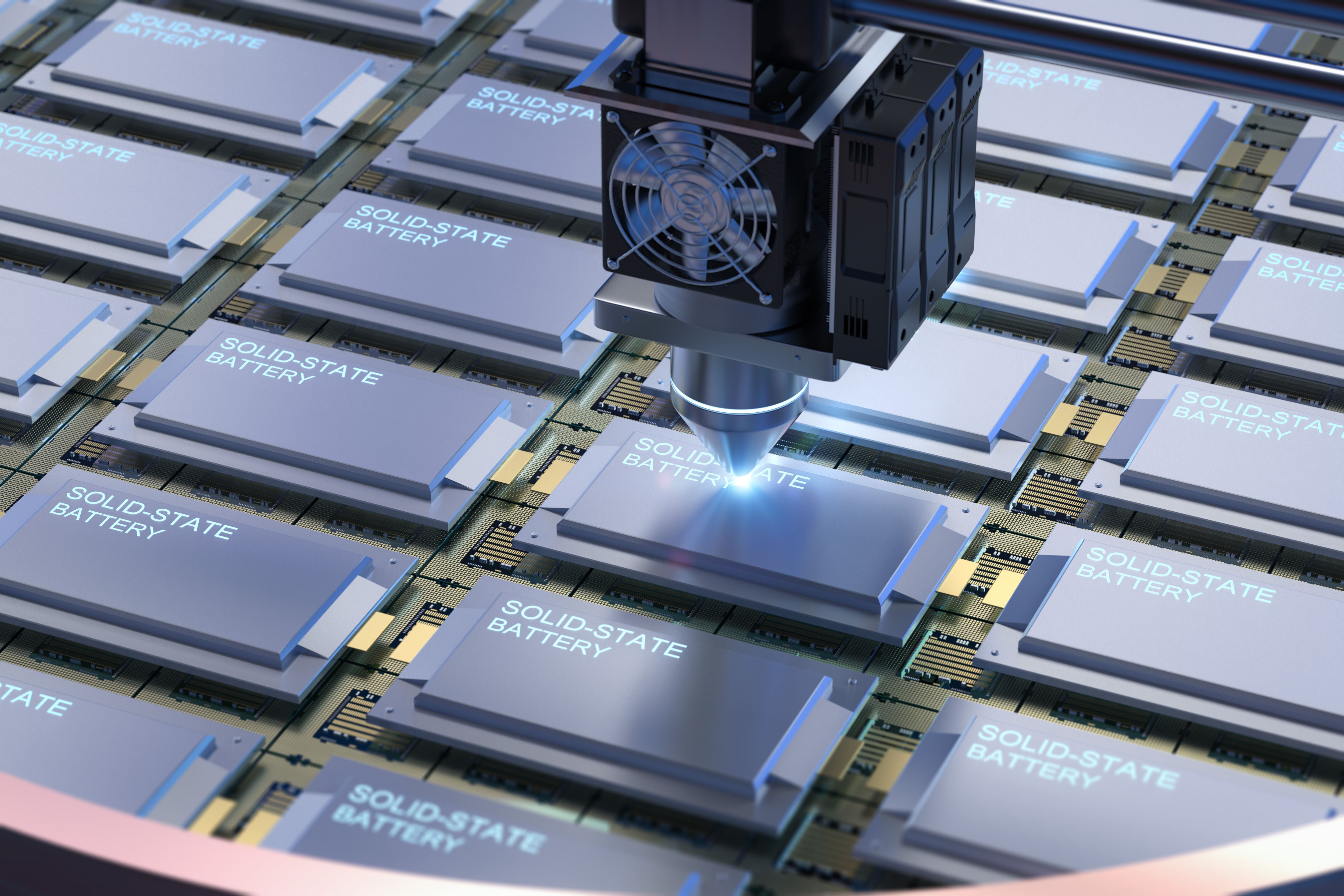
Among the most exciting developments are solid-state batteries, which promise higher energy density and faster charging times. These batteries could revolutionize the way we think about electric vehicle range and charging infrastructure.
The Environmental Impact
Electric drivetrain engineering services are not just about performance; they also play a crucial role in reducing the environmental impact of transportation. By focusing on creating more efficient and sustainable systems, these services help reduce the carbon footprint of electric vehicles.
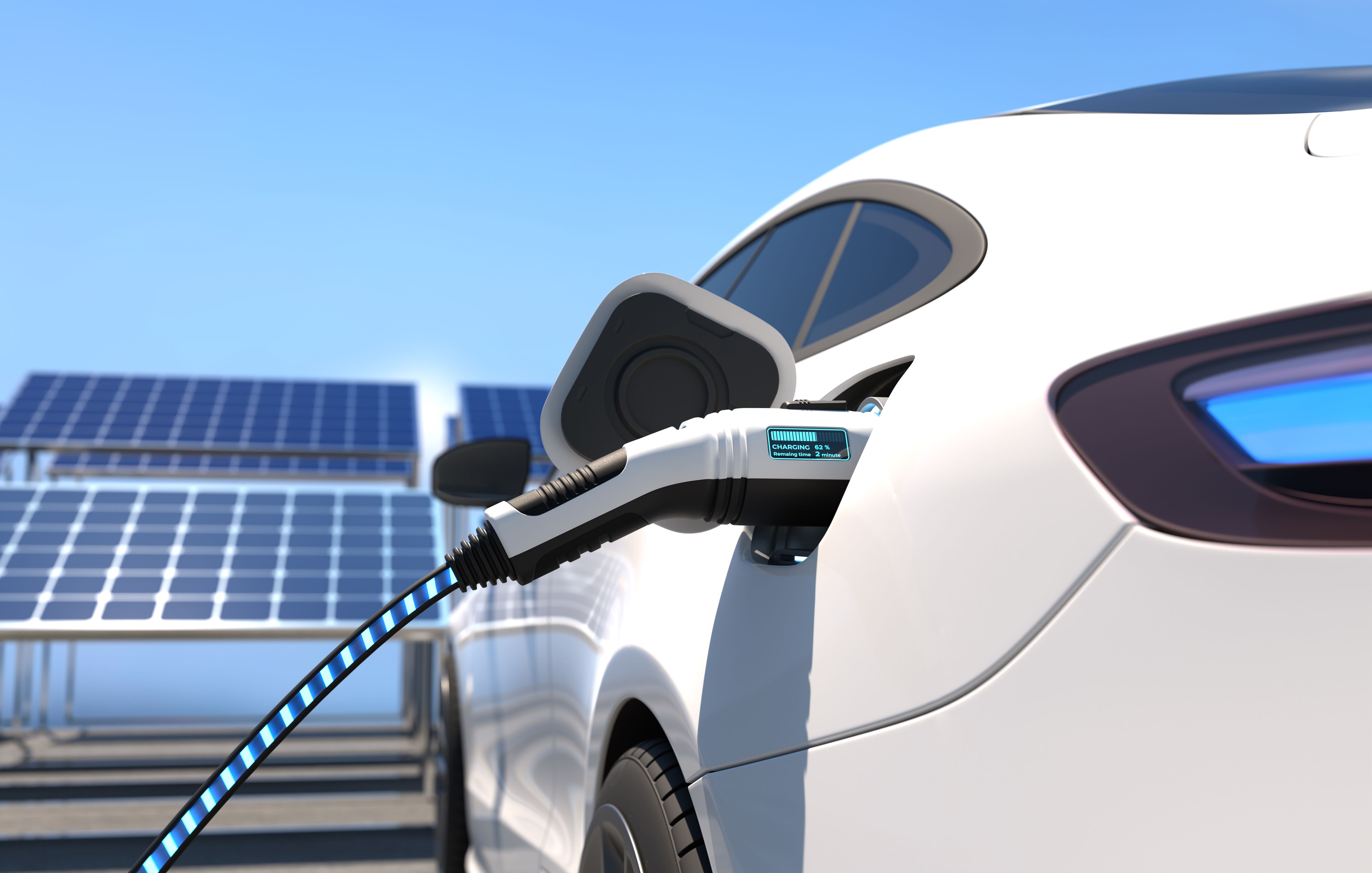
Furthermore, the shift to electric drivetrains supports the broader transition to renewable energy sources, as EVs can be powered by clean energy, unlike traditional vehicles that rely on fossil fuels.
Challenges and Opportunities
While the benefits of electric drivetrain engineering are clear, there are still challenges to overcome. These include the high cost of development, the need for new infrastructure, and the integration of emerging technologies.
However, these challenges also present opportunities for innovation and growth. Companies that invest in electric drivetrain engineering services are well-positioned to lead the charge in the eMobility revolution.
The Future of eMobility
As electric drivetrain engineering continues to evolve, the future of eMobility looks promising. With ongoing advancements in technology and increasing consumer demand for sustainable transportation options, electric vehicles are set to become a dominant force in the automotive industry.
By embracing these changes, manufacturers and consumers alike can contribute to a more sustainable and efficient future. The journey of eMobility is just beginning, and electric drivetrain engineering services are at the forefront of this exciting transformation.