
How to Accelerate Your Electric Powertrain Development Cycles
Understanding the Electric Powertrain Development Process
The development of electric powertrains is at the forefront of the automotive industry, driven by the need for cleaner and more efficient transportation solutions. The process, however, is intricate and can be time-consuming. To accelerate development cycles, it's essential to understand the key components and phases involved.
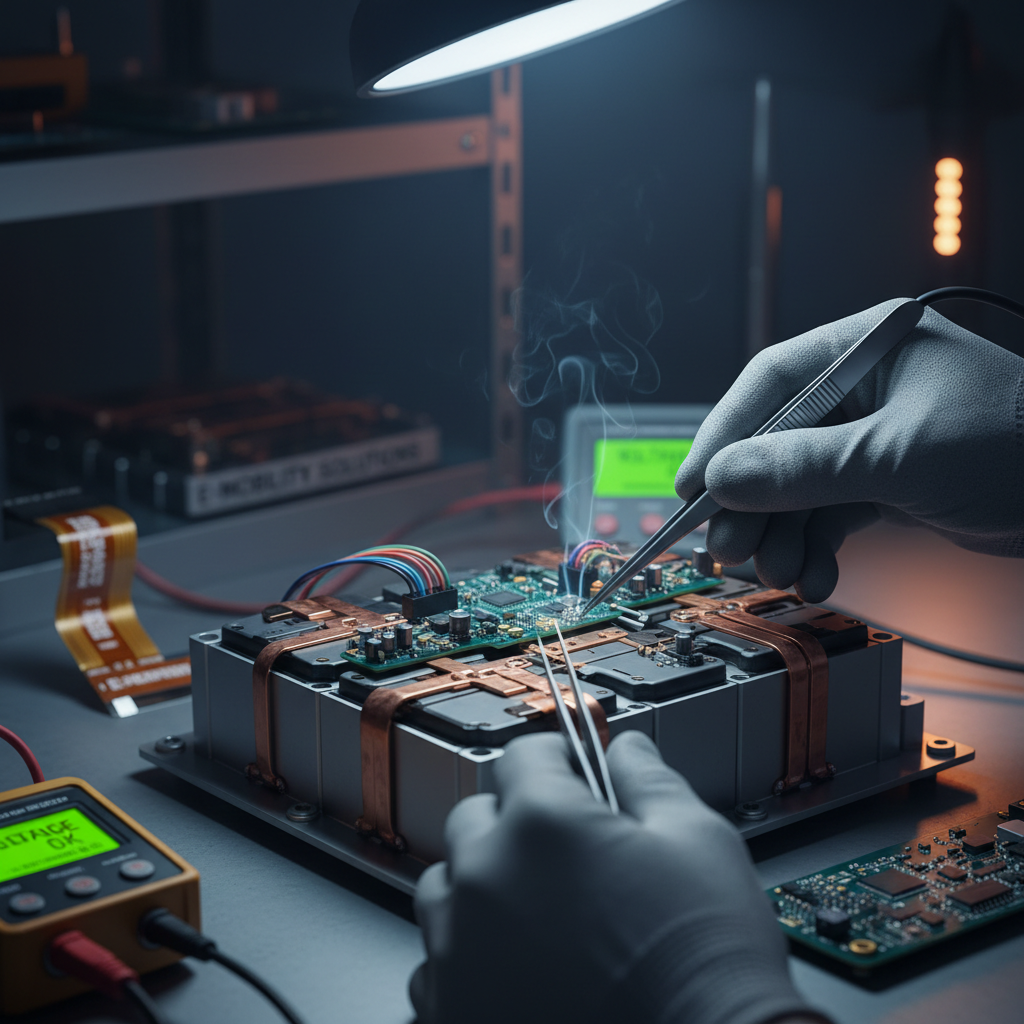
Electric powertrains consist of electric motors, batteries, power electronics, and control systems. Each component must be meticulously designed, tested, and integrated to ensure optimal performance and efficiency. Leveraging advanced technologies and methodologies can significantly expedite this process.
Leveraging Digital Twins and Simulation
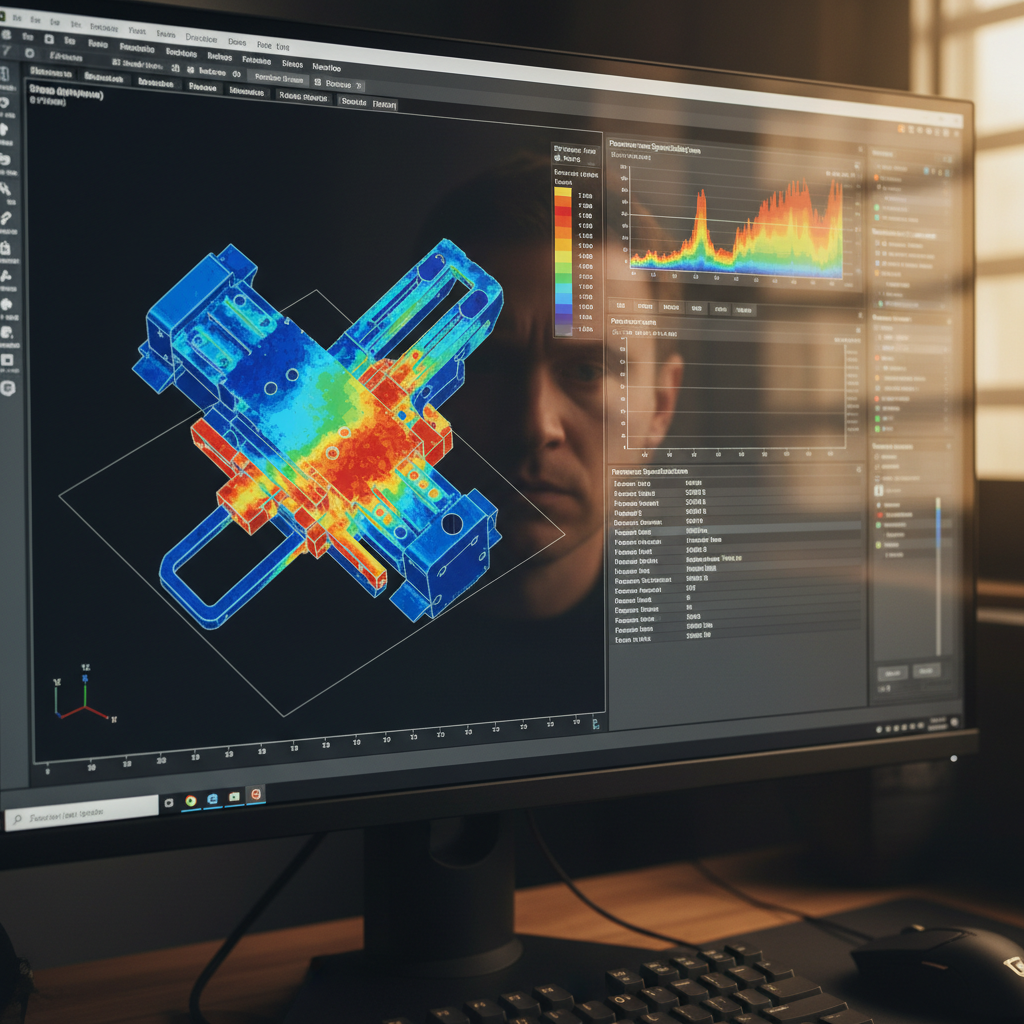
One of the most effective ways to speed up electric powertrain development is by using digital twins and simulation tools. These technologies allow engineers to create detailed virtual models of powertrain components, facilitating rapid prototyping and testing.
Simulation helps in identifying potential issues early in the design phase, reducing the need for physical prototypes. This not only saves time but also cuts down costs. By simulating real-world conditions, engineers can optimize designs for performance and reliability.
Benefits of Simulation
- Cost Reduction: Minimizes the need for physical prototypes.
- Time Efficiency: Faster iteration cycles and testing.
- Improved Accuracy: Detailed analysis of performance metrics.
Adopting Agile Development Methodologies
Traditionally, automotive development has relied on waterfall methodologies, which often lead to longer development cycles. By adopting agile methodologies, teams can work in iterative cycles, allowing for more flexibility and quicker responses to changes and challenges.
Agile practices encourage frequent collaboration and continuous improvement, which are crucial for integrating new technologies and refining designs. This approach fosters a more responsive and adaptable development environment.
Implementing Agile Practices
To effectively implement agile methodologies, consider the following steps:
- Define clear goals and deliverables for each sprint.
- Encourage cross-functional collaboration among teams.
- Regularly review and adjust processes based on feedback.

Utilizing Advanced Materials and Manufacturing Techniques
Another way to accelerate development is by using advanced materials and manufacturing techniques. Lightweight materials like carbon fiber and high-strength alloys can enhance efficiency and performance. Additionally, innovative manufacturing processes such as 3D printing can speed up prototype production.
These advancements not only improve the quality of electric powertrains but also reduce the time required to bring new models to market.
Exploring New Materials
- Carbon Fiber: Reduces weight and increases strength.
- High-Strength Alloys: Enhance durability and performance.
- 3D Printing: Speeds up prototyping and allows for complex designs.

Conclusion
Accelerating electric powertrain development cycles requires a strategic combination of cutting-edge technologies, agile methodologies, and innovative materials. By embracing these advancements, companies can not only reduce time-to-market but also improve the overall quality and performance of their electric vehicles. Staying ahead in this rapidly evolving industry demands continuous adaptation and a commitment to innovation.