
How to Optimize Your Electric Powertrain Systems for Maximum Performance
Electric powertrain systems are the backbone of modern electric vehicles (EVs), playing a crucial role in determining their efficiency and performance. To ensure these systems deliver the best possible results, optimization is key. This post will guide you through the essential steps to enhance your electric powertrain systems for maximum performance.
Understanding the Basics of Electric Powertrain Systems
An electric powertrain typically consists of a battery, electric motor, and transmission. These components work together to convert electrical energy into mechanical energy, powering the vehicle. Understanding how each part functions is the first step towards optimization.
The battery stores energy and supplies it to the motor. The motor then converts this energy into motion, while the transmission manages the power flow to the wheels. Each component's efficiency impacts overall performance, making it essential to optimize each part.
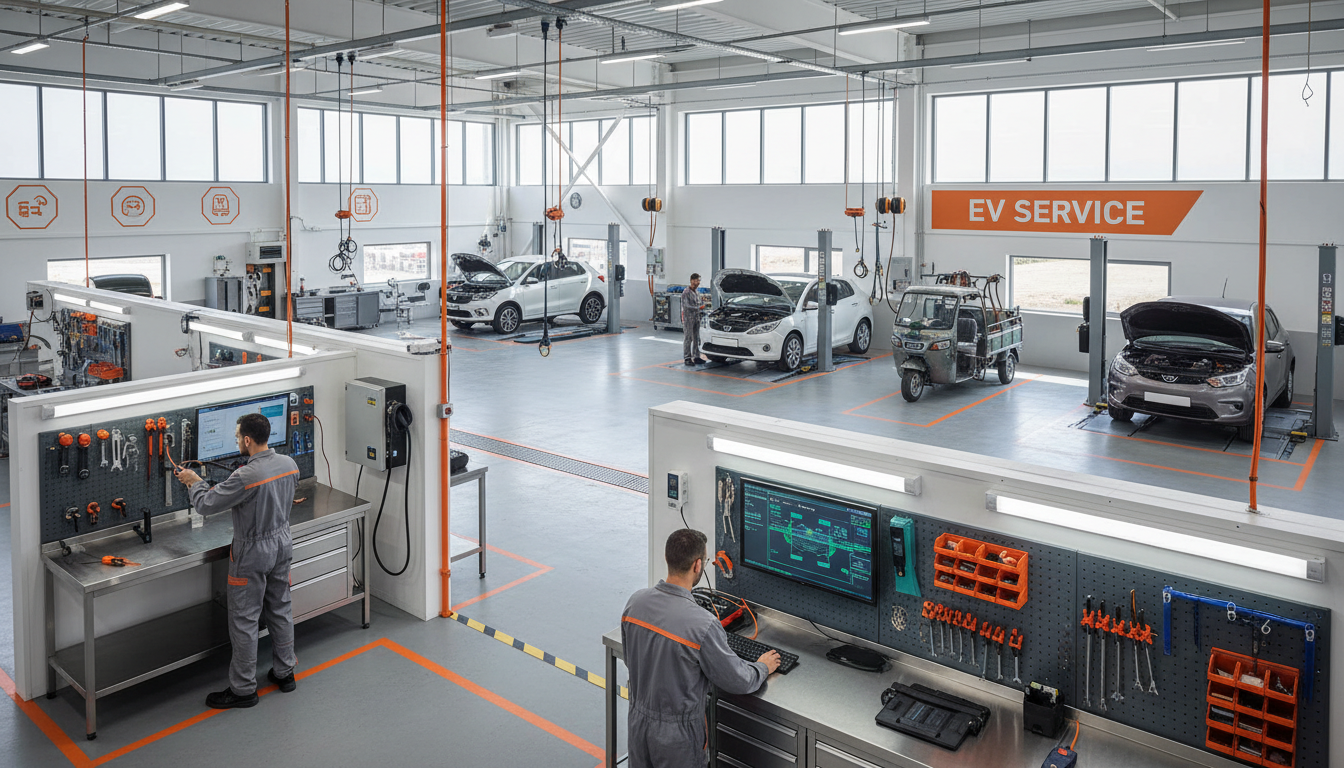
Battery Management and Optimization
The battery is the heart of an electric powertrain system. To optimize its performance, focus on battery management. Implementing a robust Battery Management System (BMS) can help monitor and regulate battery usage.
Consider the following strategies for battery optimization:
- Temperature Control: Keeping the battery at an optimal temperature extends its lifespan and improves efficiency.
- State of Charge (SoC) Management: Avoiding extreme SoC levels prevents battery degradation.
- Regular Maintenance: Routine checks and maintenance can prevent potential issues and ensure optimal performance.
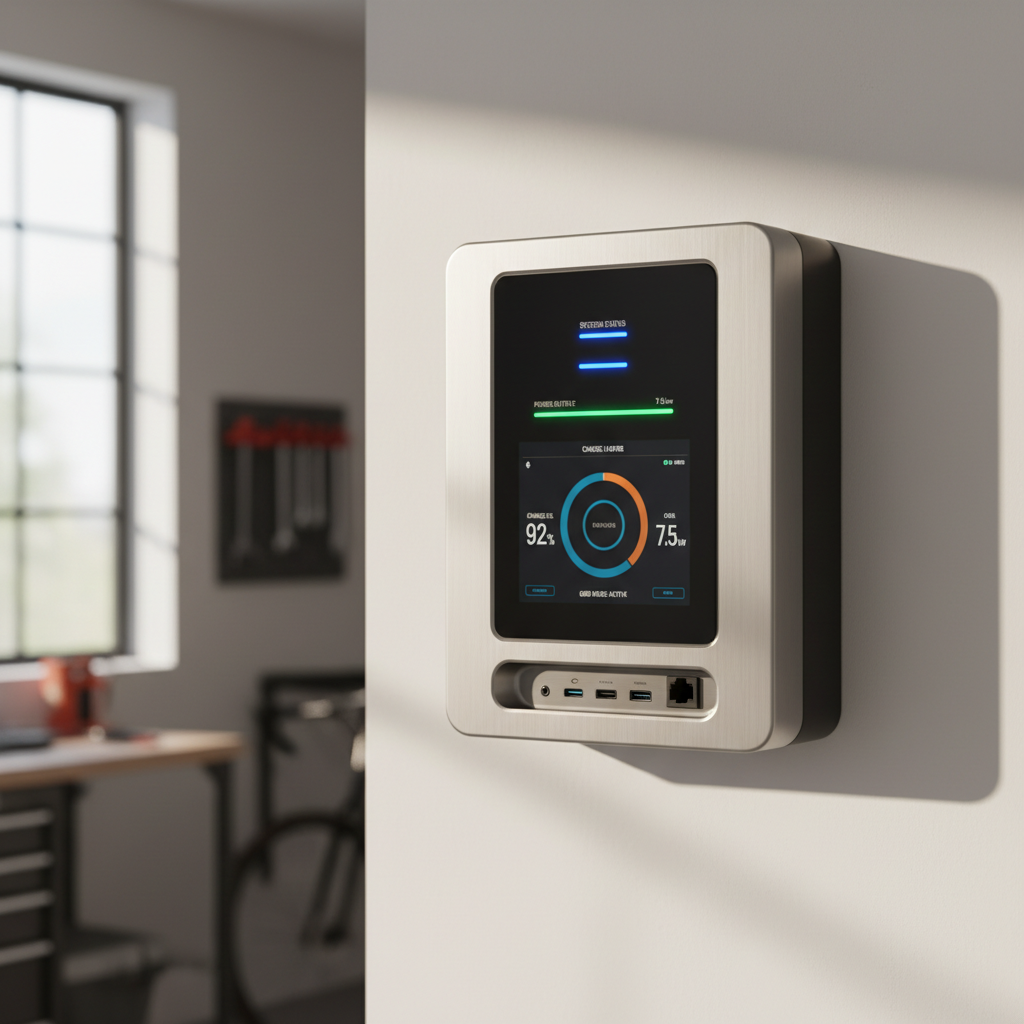
Enhancing Electric Motor Efficiency
The electric motor is another critical component of the powertrain. Its efficiency directly affects the vehicle's performance. To optimize the motor, consider the following:
- Proper Sizing: Ensure the motor is appropriately sized for the vehicle's needs to avoid energy wastage.
- Advanced Control Systems: Implement control systems that optimize motor operation under different driving conditions.
- Regular Inspection: Routine inspections can help identify wear and tear, ensuring the motor runs smoothly.
By focusing on these areas, you can enhance the motor's efficiency and, consequently, the vehicle's overall performance.
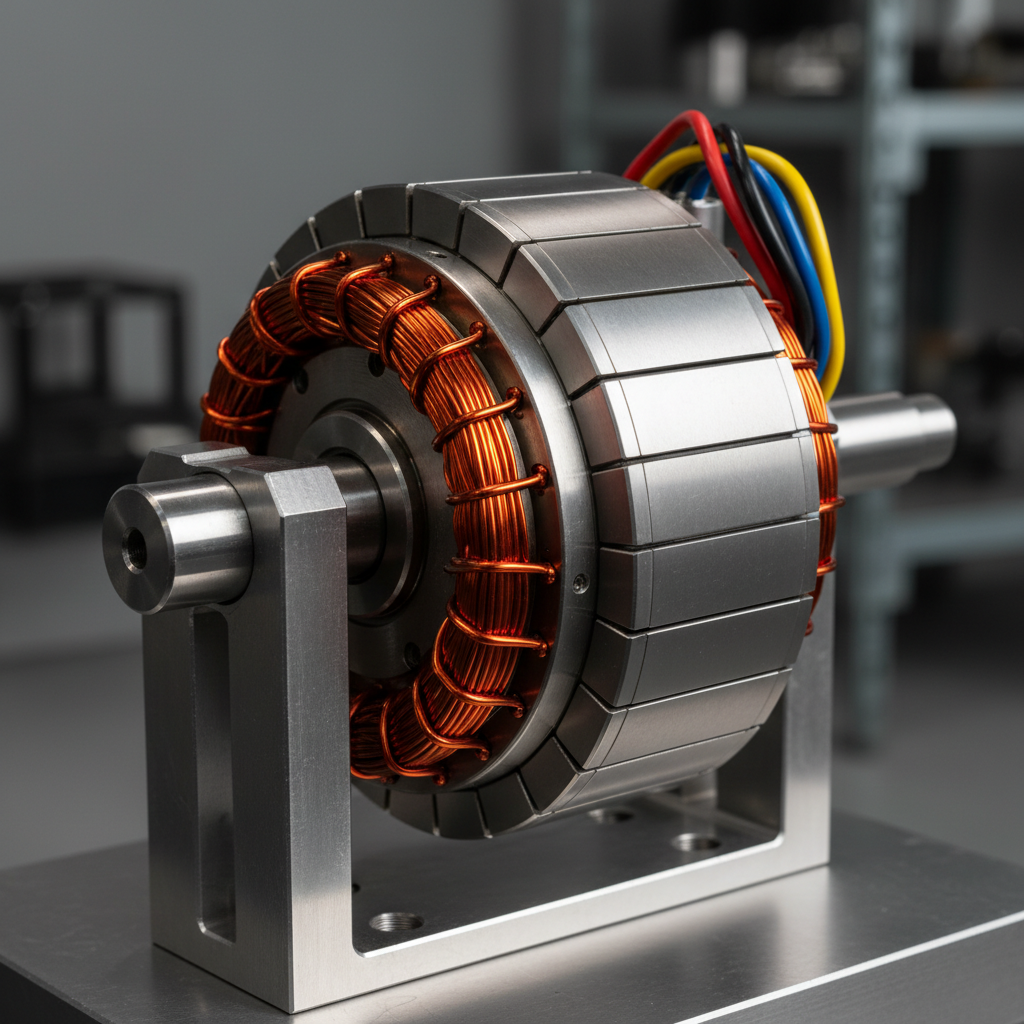
Transmission System Optimization
The transmission system manages the power flow from the motor to the wheels. Efficient transmission ensures that power is delivered smoothly, enhancing performance.
Some optimization tips include:
- Gear Ratio Optimization: Adjusting gear ratios can improve efficiency and performance for specific driving conditions.
- Lubrication: Proper lubrication reduces friction and wear, prolonging the system's lifespan.

Software and Data Analytics
Software and data analytics play a pivotal role in optimizing electric powertrain systems. By leveraging advanced software solutions, you can gain insights into the system's performance and identify areas for improvement.
Data analytics can help predict maintenance needs, optimize energy usage, and improve overall system efficiency. Integrating these technologies into your powertrain system can lead to significant performance enhancements.
In conclusion, optimizing your electric powertrain systems involves a comprehensive approach, focusing on each component's performance and leveraging technology for continuous improvement. By implementing these strategies, you can ensure your electric vehicle operates at its peak efficiency, providing a smoother and more reliable driving experience.