
Hybrid Powertrain Development: Key Strategies for OEMs and Suppliers
The automotive industry is witnessing a transformative shift as Original Equipment Manufacturers (OEMs) and suppliers strive to develop efficient hybrid powertrains. This evolution is driven by stringent emissions regulations and the increasing demand for sustainable mobility solutions. Understanding key strategies in hybrid powertrain development is crucial for staying ahead in this competitive landscape.
Understanding Hybrid Powertrain Technology
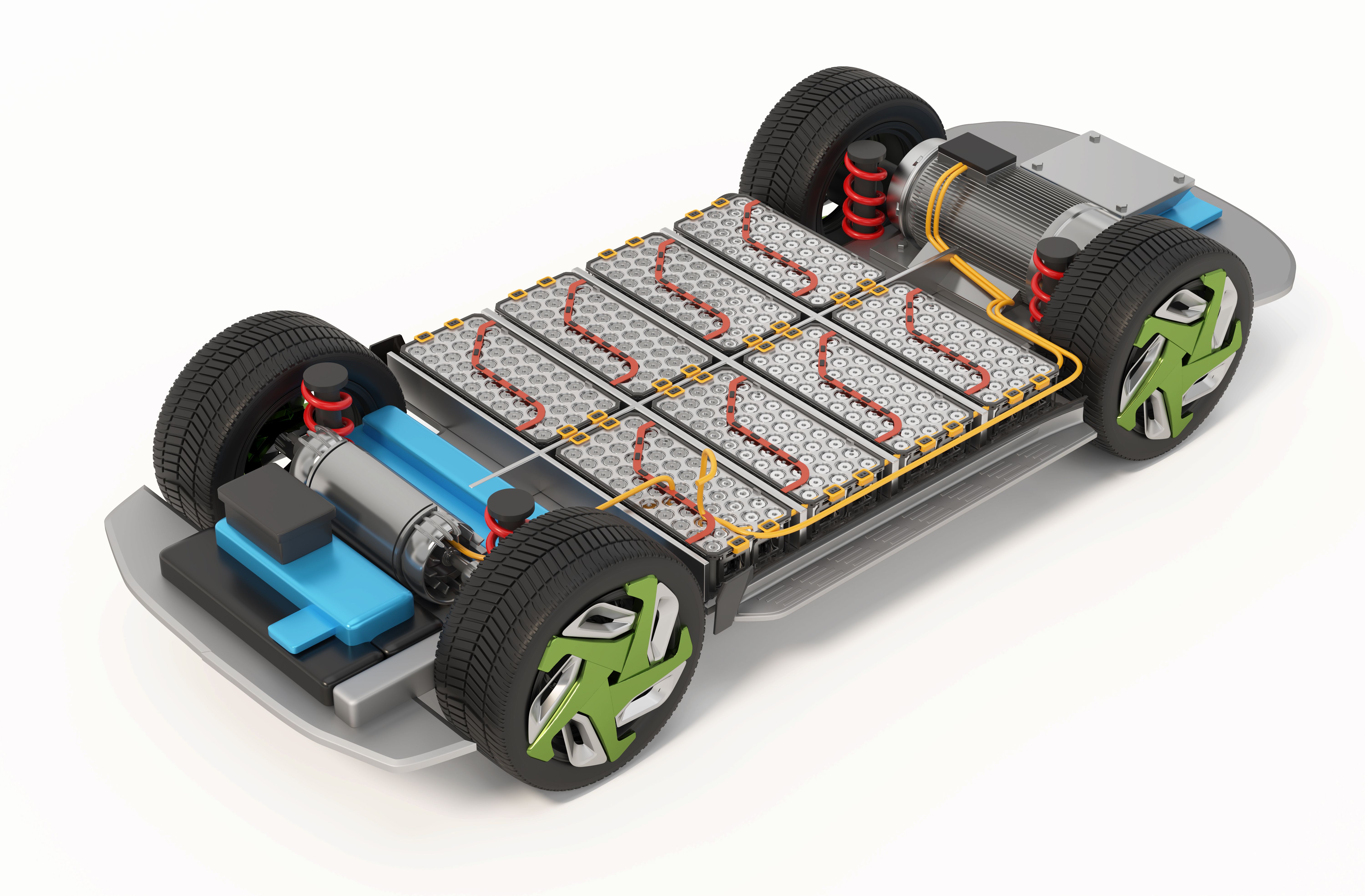
Hybrid powertrains combine internal combustion engines with electric motors to optimize fuel efficiency and reduce emissions. This dual-system approach allows vehicles to operate using either or both power sources, depending on driving conditions. By implementing sophisticated energy management systems, hybrid vehicles can achieve significant improvements in fuel economy.
OEMs and suppliers must focus on integrating advanced technologies to enhance the performance and efficiency of hybrid systems. This includes the development of high-capacity batteries, efficient electric motors, and intelligent control units.
Battery Technology Advancements
The heart of any hybrid powertrain is its battery. Recent advancements in battery technology have paved the way for more robust and durable systems. Developing lighter and more energy-dense batteries is essential for increasing the electric range and overall efficiency of hybrid vehicles.

Investing in research and development to create cutting-edge battery solutions can provide OEMs and suppliers with a competitive edge. Collaborations with battery manufacturers and research institutions can accelerate innovation in this area.
Collaborative Development Strategies
In the fast-paced world of hybrid powertrain development, collaboration between OEMs and suppliers is key. Establishing strategic partnerships can lead to shared resources, reduced costs, and faster time-to-market for new technologies.
Effective collaboration involves:
- Joint research and development initiatives
- Shared technological resources and expertise
- Co-investment in new technologies and infrastructure

Supply Chain Optimization
Optimizing the supply chain is another critical strategy for OEMs and suppliers. By streamlining production processes and enhancing logistics, companies can reduce costs and improve efficiency. This requires a comprehensive approach that includes:
- Identifying key suppliers and establishing long-term relationships
- Implementing lean manufacturing practices
- Utilizing digital tools for supply chain management
These strategies can lead to more resilient and responsive supply chains, capable of adapting to market changes and demands.
Future Trends in Hybrid Powertrain Development
As technology continues to evolve, several emerging trends are shaping the future of hybrid powertrain development. These include the integration of artificial intelligence for predictive maintenance and the use of renewable energy sources for charging infrastructure.

OEMs and suppliers must stay abreast of these trends to remain competitive. Embracing innovation and adopting a forward-thinking approach will be essential for success in the rapidly changing automotive industry.
In conclusion, the development of hybrid powertrains presents numerous opportunities and challenges for OEMs and suppliers. By focusing on key strategies such as technological advancements, collaboration, and supply chain optimization, companies can drive progress and achieve sustainable growth in this dynamic field.