
Innovative Trends in Electric Vehicle Powertrains
Revolutionizing Electric Vehicle Powertrains
The electric vehicle (EV) industry is evolving at an unprecedented pace, driven by the need for sustainable and efficient transportation solutions. A key component of this evolution is the powertrain, which has seen remarkable innovations in recent years. These advancements are setting the stage for a new era of electric mobility.
Advancements in Battery Technology
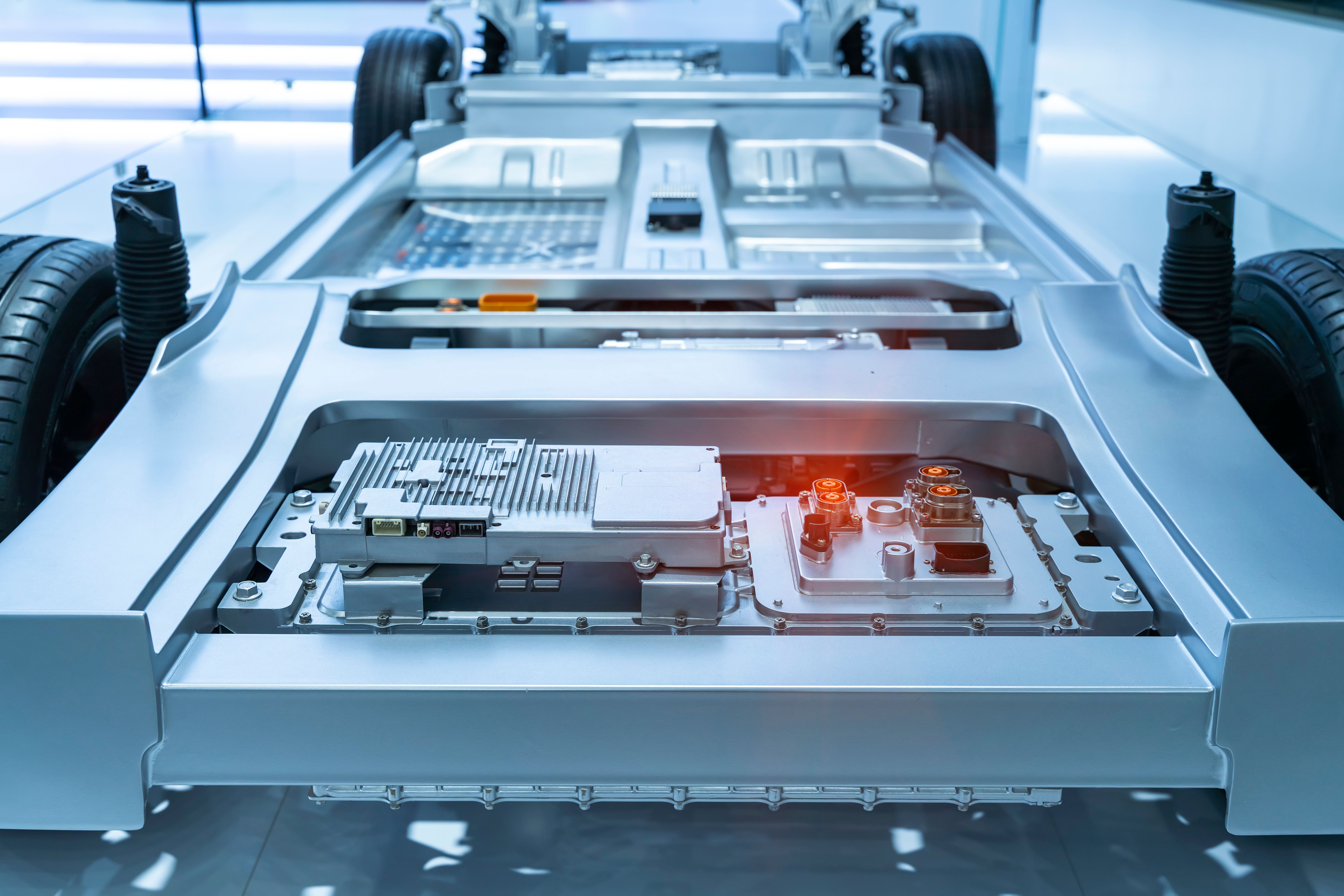
The heart of any electric vehicle is its battery. Recent breakthroughs in battery technology are significantly enhancing the range, efficiency, and lifespan of EVs. Lithium-ion batteries, once the gold standard, are now being complemented by solid-state batteries, which offer higher energy densities and faster charging times.
Researchers are also exploring alternative materials, such as silicon anodes and lithium-sulfur, which promise to further increase energy storage capacity. These innovations could lead to lighter batteries and ultimately reduce the overall weight of vehicles, improving their efficiency.
Efficient Electric Motors
Electric motors are another crucial element of EV powertrains. Innovations in motor design are focusing on increasing power output while minimizing energy consumption. Permanent magnet motors, for instance, are becoming more popular due to their efficiency and reliability.

Furthermore, advancements in software and control systems are enabling more precise management of motor performance. This allows for smoother acceleration, regenerative braking, and better overall driving dynamics.
Power Electronics and Control Systems
Power electronics play a critical role in converting and managing the flow of electricity within an EV. Recent developments have led to more compact and efficient power electronics, thanks to the use of wide bandgap semiconductors like silicon carbide (SiC) and gallium nitride (GaN).
These materials allow for higher operating temperatures and faster switching speeds, resulting in reduced energy loss and improved performance. Enhanced control systems are also enabling more sophisticated energy management strategies, optimizing the balance between power delivery and battery conservation.

Integration of Renewable Energy
As the world shifts towards renewable energy sources, integrating these into EV powertrains is becoming increasingly important. Solar panels and wind turbines can now be directly connected to EV charging systems, enabling vehicles to be powered by clean energy.
This integration not only reduces the carbon footprint of electric vehicles but also enhances the resilience of power grids by providing additional storage capacity. The result is a more sustainable and interconnected energy ecosystem.
The Future of Electric Vehicle Powertrains
The continuous innovation in electric vehicle powertrains is paving the way for more efficient, sustainable, and accessible transportation solutions. As technology progresses, we can expect to see even more exciting developments that will further transform the landscape of electric mobility.
From advanced battery materials to more efficient motors and power electronics, these trends are setting the stage for a future where electric vehicles are not just an alternative, but the preferred choice for drivers worldwide.