
Mastering Electric Powertrain Design: Insights from Cortechs eMobility Labs
Introduction to Electric Powertrain Design
The transition to electric vehicles (EVs) is redefining the future of transportation. At the heart of this revolution lies the electric powertrain, an essential component that determines the efficiency, performance, and sustainability of electric vehicles. At Cortechs eMobility Labs, we delve deep into the intricacies of electric powertrain design to offer cutting-edge insights and solutions.

Understanding Electric Powertrains
Electric powertrains are complex systems integrating electric motors, batteries, and control units. Unlike traditional internal combustion engines, electric powertrains provide seamless and efficient energy transfer. This system is pivotal in achieving the high performance and low emissions that define modern electric vehicles.
A well-designed powertrain ensures optimal energy use, allowing for longer driving ranges and quicker acceleration. Understanding the nuances of powertrain components and their interactions is crucial for any automaker aiming to lead in the EV market.
Key Components of Electric Powertrains
At Cortechs eMobility Labs, we emphasize the importance of understanding each component of an electric powertrain:
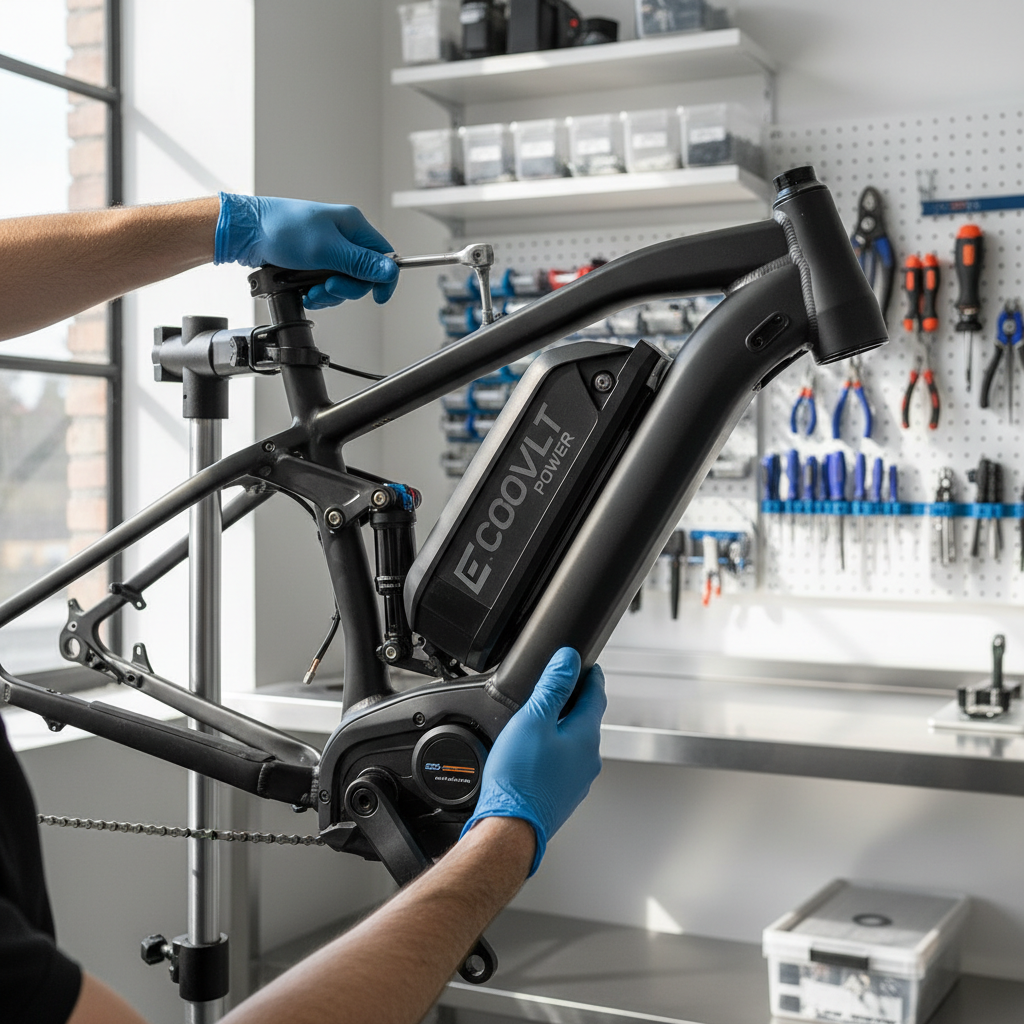
- Electric Motors: These are responsible for converting electrical energy into mechanical energy, driving the wheels of the vehicle.
- Batteries: They store electrical energy and supply it to the motor as required.
- Control Units: These manage the power flow between the battery and the motor, optimizing performance and efficiency.
Designing for Efficiency and Performance
Efficiency and performance are the cornerstones of any successful electric powertrain. At Cortechs eMobility Labs, we prioritize innovative design strategies to enhance these aspects. Our research focuses on minimizing energy loss and maximizing power output, ensuring that vehicles can travel further on a single charge.
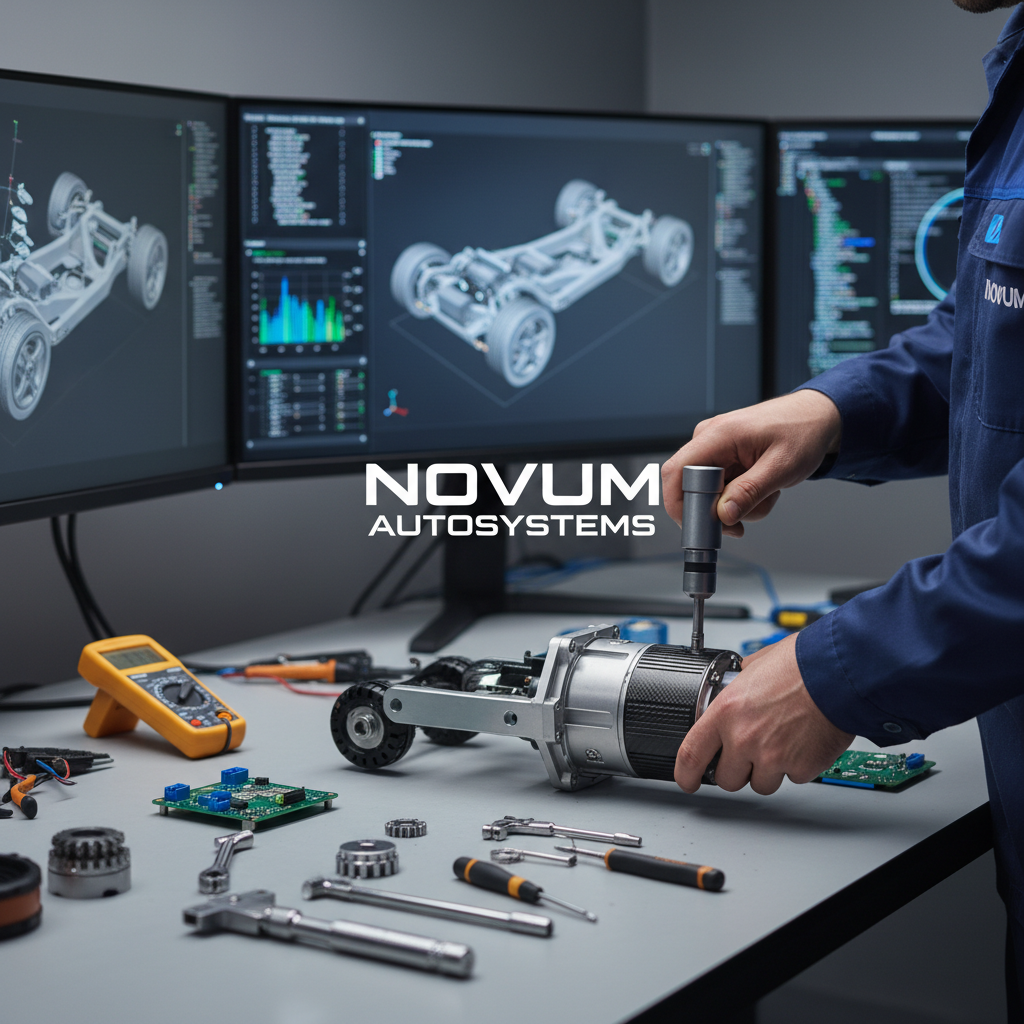
By employing state-of-the-art simulation tools and testing equipment, our team is able to refine powertrain designs, achieving breakthroughs in energy efficiency and performance. This approach not only benefits vehicle manufacturers but also contributes to a greener, more sustainable future.
Challenges and Solutions in Powertrain Design
The road to mastering electric powertrain design is fraught with challenges. From thermal management to material selection, each aspect requires careful consideration. At Cortechs eMobility Labs, we tackle these challenges head-on:
- Thermal Management: Ensuring that components operate within safe temperature ranges to prevent overheating.
- Material Innovation: Using lightweight, durable materials to enhance performance without compromising safety.
- Integration: Seamlessly combining components to work together efficiently and effectively.
The Future of Electric Powertrain Design
As the automotive industry continues to evolve, electric powertrain design will play an increasingly vital role. At Cortechs eMobility Labs, we are committed to staying at the forefront of this transformation, ensuring that our partners have access to the latest insights and technologies.
By fostering innovation and collaboration, we aim to push the boundaries of what's possible in electric powertrain design, paving the way for a cleaner, more efficient transportation system worldwide.