
Myth-Busting Electric Powertrain Integration: Common Misconceptions Debunked
Understanding Electric Powertrain Integration
As electric vehicles (EVs) continue to grow in popularity, there are many misconceptions surrounding the integration of electric powertrains. These misunderstandings can cause confusion and hesitation for potential buyers and industry professionals alike. In this post, we aim to debunk some of the most common myths about electric powertrain integration.
Myth 1: Electric Powertrains Are Less Reliable
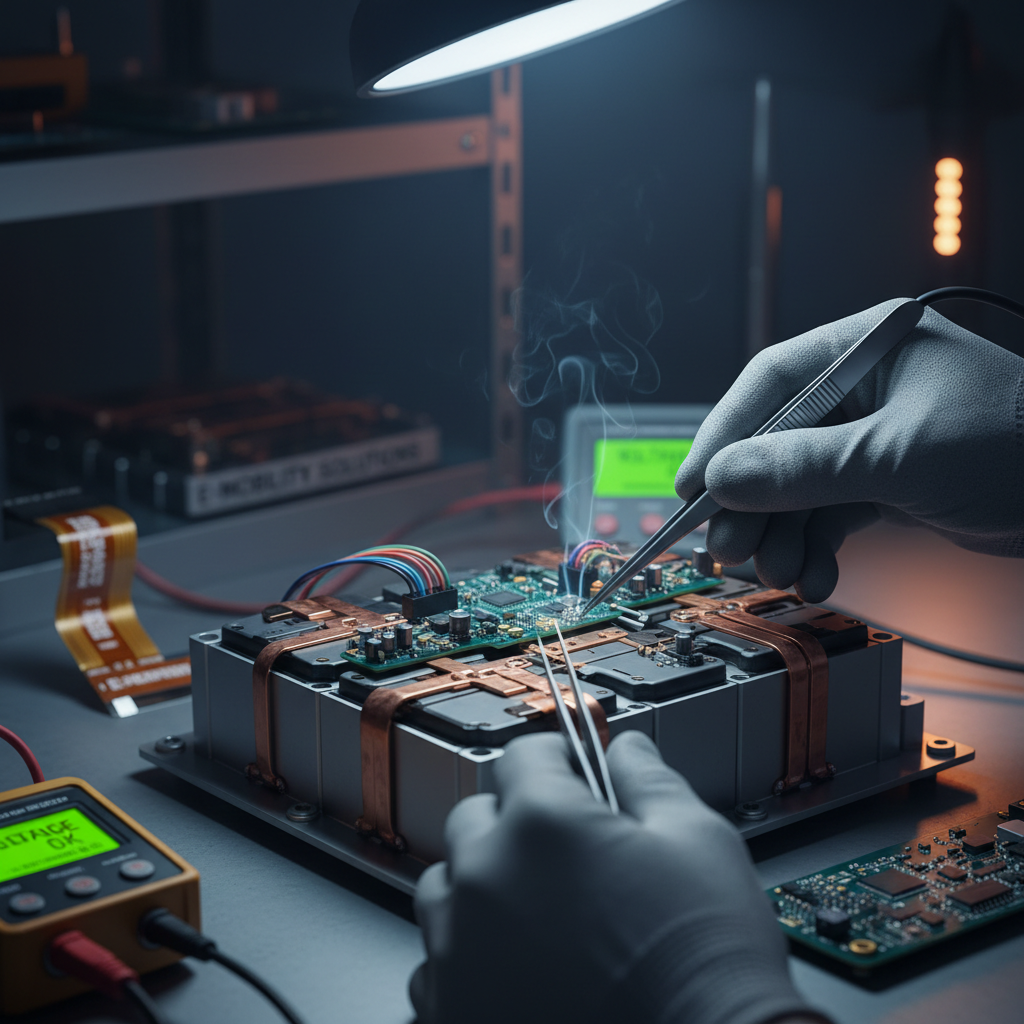
A common belief is that electric powertrains are less reliable than their internal combustion engine counterparts. However, this is a misconception. Electric powertrains have fewer moving parts, which means there is less wear and tear over time. This simplicity often translates to higher reliability and reduced maintenance costs.
Many studies have shown that EVs can last just as long, if not longer, than traditional vehicles. The key is proper maintenance and care, just like with any vehicle. Electric powertrains are designed to be robust, making them a reliable choice for modern transportation.
Myth 2: Integration is Complicated and Costly
Another myth is that integrating an electric powertrain is a complicated and expensive process. While initial costs can be higher, these are often offset by lower operational costs over the vehicle's lifespan. With advancements in technology, manufacturers are finding more efficient and cost-effective ways to integrate electric powertrains.
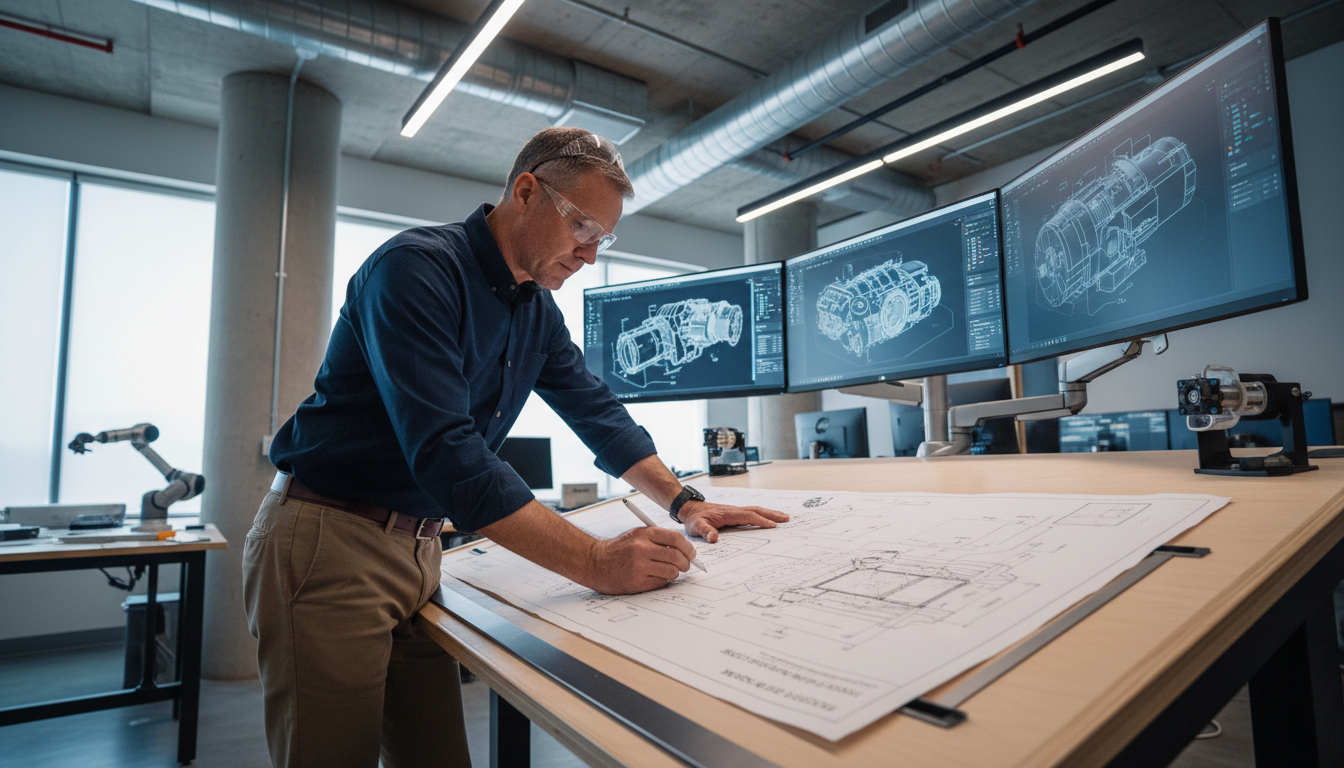
In fact, many manufacturers now offer integrated solutions that simplify the process, making it more accessible for a wide range of applications. This myth overlooks the long-term economic benefits of transitioning to electric.
Myth 3: Performance is Inferior
Some people believe that electric vehicles cannot match the performance of traditional vehicles. This is far from the truth. Electric powertrains can deliver instant torque, which results in quicker acceleration and a smoother driving experience. Many EVs are now competing with, and even surpassing, the performance capabilities of gasoline-powered cars.
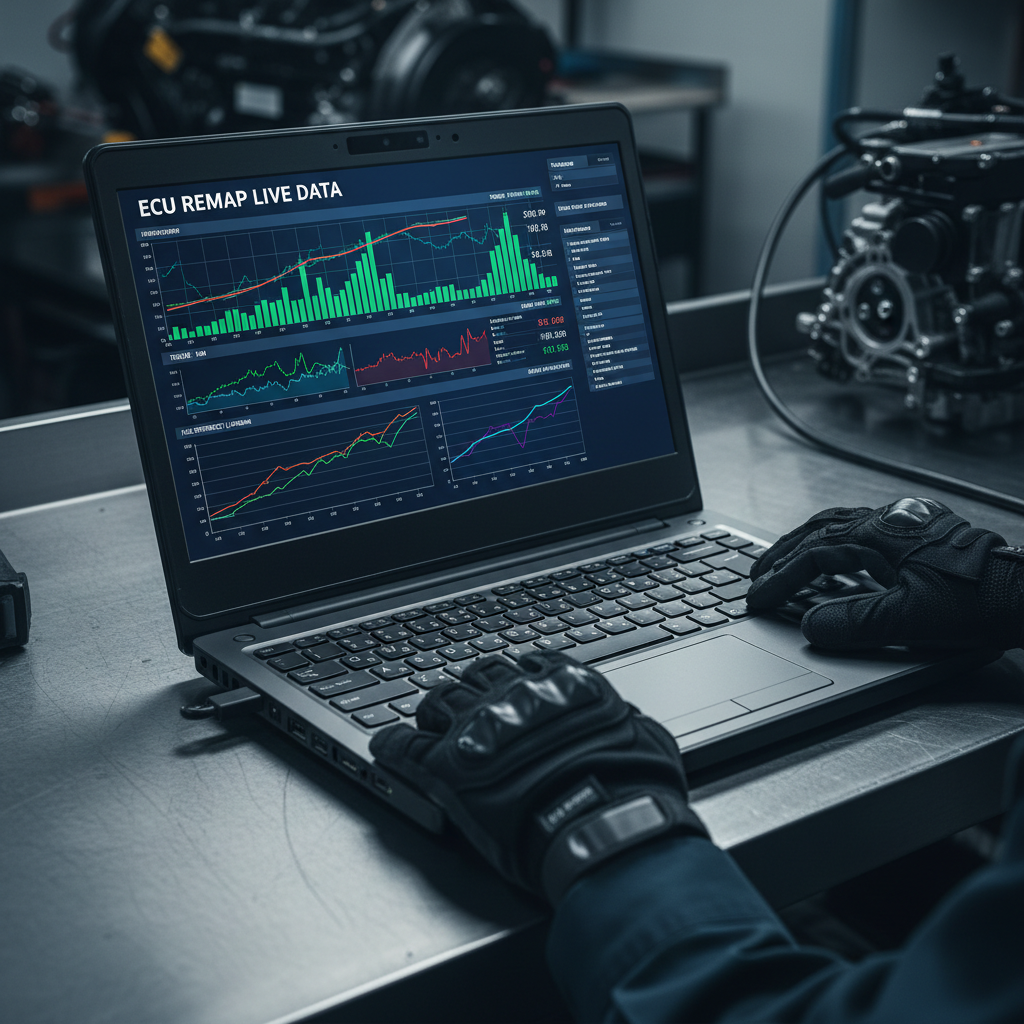
Moreover, the ability to optimize performance through software updates means that electric vehicles can continue to improve over time without the need for hardware changes.
Myth 4: Limited Range and Charging Infrastructure
Range anxiety is a real concern for many potential EV buyers. However, the perception that EVs have limited range is becoming outdated. Advances in battery technology have greatly increased the range of modern electric vehicles, with many models offering 300 miles or more on a single charge.
Charging infrastructure is also expanding rapidly. With investments from both public and private sectors, charging stations are becoming more accessible, making long-distance travel in an EV more feasible than ever before.
Embracing the Future of Transportation
Electric powertrain integration is a crucial step in the evolution of transportation. By debunking these myths, we hope to encourage a more informed and open-minded approach to adopting electric vehicles. As technology continues to advance, the benefits of electric powertrains will become even more apparent, paving the way for a cleaner and more sustainable future.