
Navigating Advanced Electric Propulsion Systems: A Consultancy Perspective
Understanding Advanced Electric Propulsion Systems
The landscape of electric propulsion systems is rapidly evolving, bringing forth a new era in transportation and aerospace technologies. Advanced electric propulsion systems are not just the future—they are the present, with significant advancements in efficiency and sustainability. As we delve into this intricate field, it's essential to understand the core components and technologies that drive these systems.
Electric propulsion systems utilize electricity to accelerate propellants, significantly differing from traditional chemical propulsion methods. This approach offers several advantages, such as increased efficiency and reduced environmental impact. However, navigating these systems requires a deep understanding of the underlying technologies and their applications.
Key Components of Electric Propulsion Systems
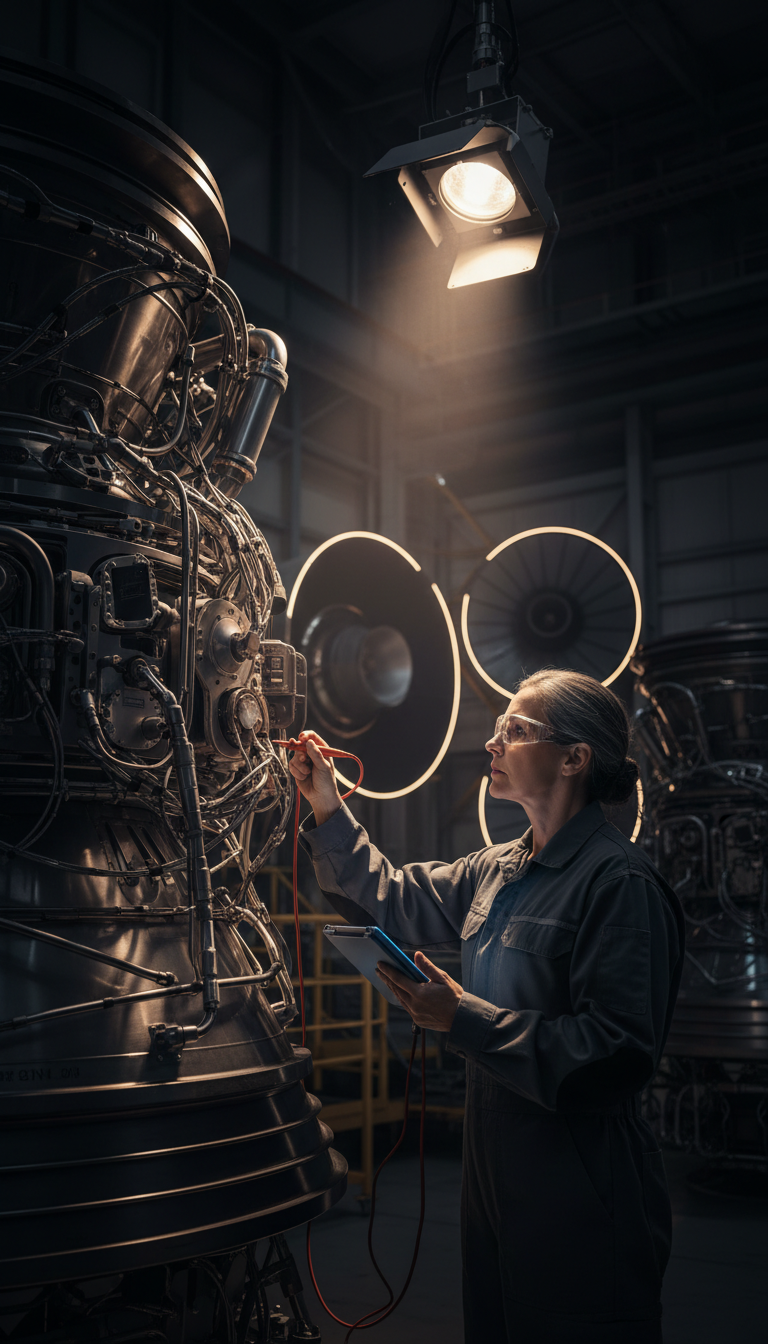
Advanced electric propulsion systems comprise several key components, each playing a crucial role in their functionality. The primary components include power sources, power processors, and propulsion devices. Understanding these elements is vital for anyone looking to implement or optimize such systems.
- Power Sources: These can range from solar panels to nuclear reactors, providing the necessary energy to operate the propulsion system.
- Power Processors: These devices convert raw energy into a usable form, ensuring the propulsion system functions efficiently.
- Propulsion Devices: These include ion thrusters and Hall effect thrusters, which are responsible for the actual movement.
Each of these components must be carefully selected and integrated to achieve optimal performance, making the role of consultancy crucial in the design and implementation process.
The Role of Consultancy in Electric Propulsion
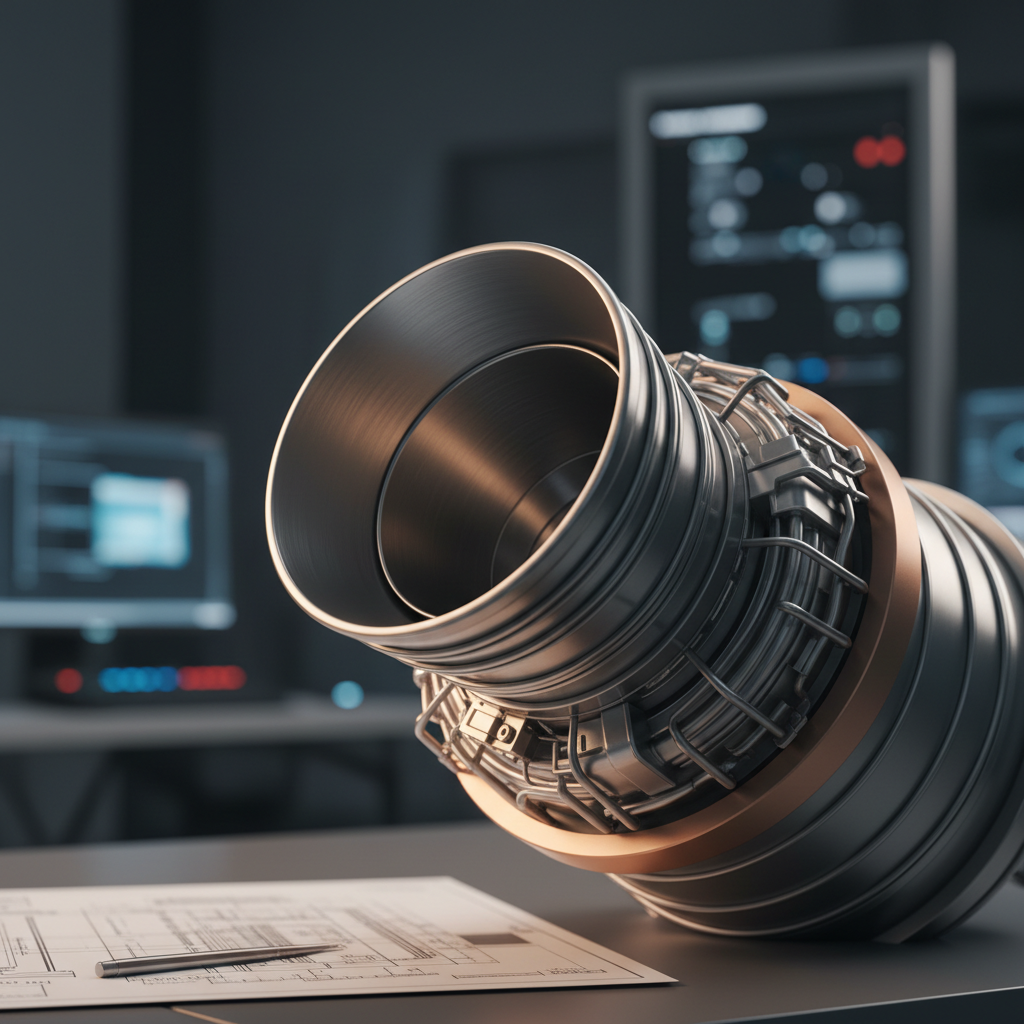
Consultancies play a vital role in guiding organizations through the complexities of advanced electric propulsion systems. From initial feasibility studies to detailed design and implementation, consultancy services ensure that projects are completed efficiently and effectively.
Consultants bring expertise in selecting the right technologies and components, optimizing system designs, and ensuring compliance with industry standards. Their role is to bridge the gap between theoretical knowledge and practical application, facilitating innovation and progress in the field.
Challenges in Implementing Electric Propulsion Systems
Despite their advantages, electric propulsion systems present several challenges. These include the high initial costs, technical complexities, and the need for specialized expertise. Addressing these challenges requires a strategic approach, often guided by experienced consultants who can offer tailored solutions.
- High initial investment costs.
- Technical complexities in system design and integration.
- Ongoing maintenance and operational challenges.
By leveraging consultancy insights, businesses can overcome these hurdles, ensuring successful implementation and operation of electric propulsion systems.

Future Prospects and Innovations
The future of electric propulsion systems is bright, with ongoing research and development paving the way for even more advanced technologies. Innovations in materials, power generation, and propulsion methods continue to push the boundaries of what's possible.
Emerging trends such as hybrid propulsion systems and advances in energy storage promise to enhance the capabilities and applications of electric propulsion. As these technologies evolve, the consultancy perspective will remain crucial in navigating the complexities and maximizing the potential of these systems.
In conclusion, navigating advanced electric propulsion systems requires a comprehensive understanding of the technologies involved, coupled with strategic guidance from experienced consultants. As the industry continues to grow, the role of consultancy will be pivotal in driving innovation and ensuring the successful application of these transformative technologies.