
Navigating Electric Vehicle Engineering: A Comprehensive Guide to Powertrain Design
Introduction to Electric Vehicle Powertrain Design
The rise of electric vehicles (EVs) has sparked a revolution in automotive engineering. At the heart of this transformation is the powertrain, a critical component that defines the performance, efficiency, and range of an EV. Understanding the intricacies of powertrain design is essential for engineers and enthusiasts alike.
Core Components of EV Powertrains
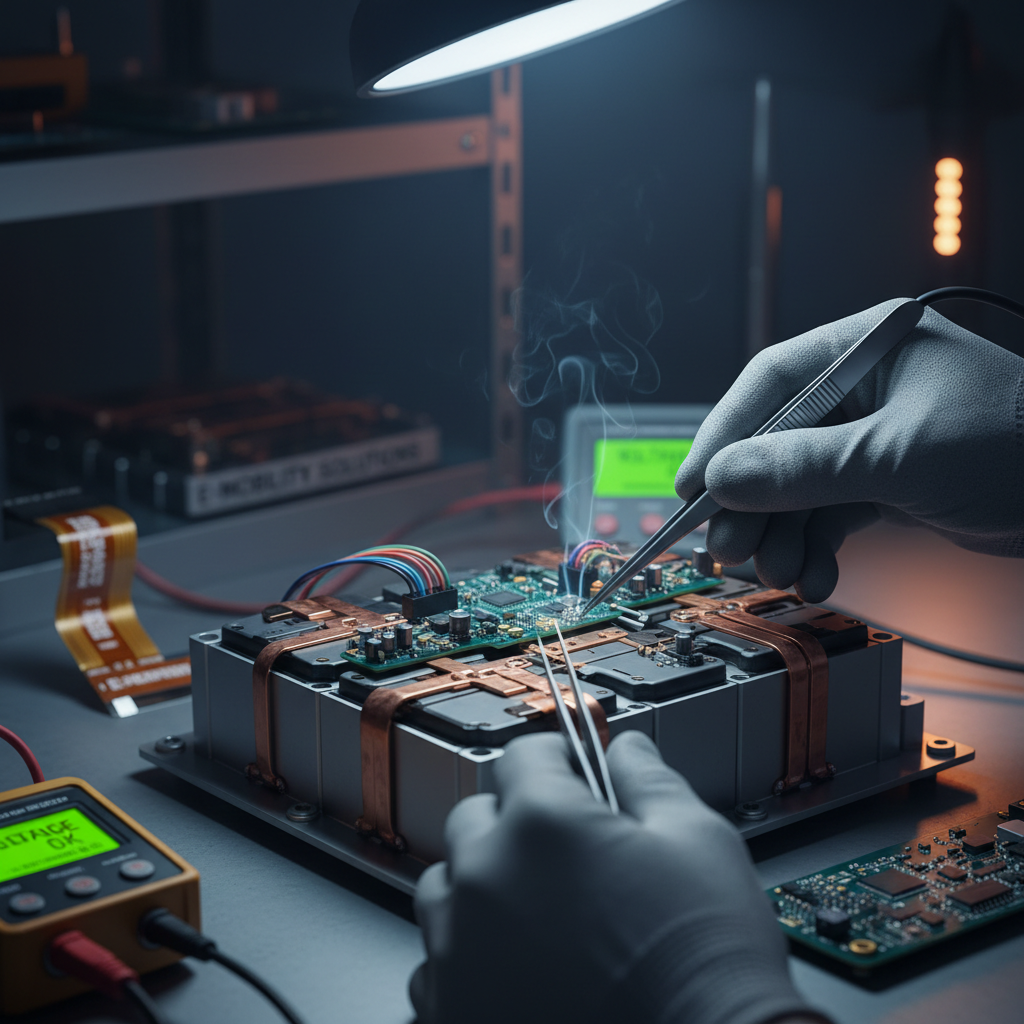
An electric vehicle powertrain consists of several key components, each playing a vital role in the vehicle's operation. These include the electric motor, battery pack, inverter, and transmission system. Mastering these elements is crucial for effective powertrain engineering.
Electric Motors: The motor converts electrical energy into mechanical energy, propelling the vehicle. Different types of motors, like induction and permanent magnet synchronous motors, offer varying performance characteristics.
Batteries: Batteries store the energy necessary for the motor's operation. Lithium-ion batteries are the most common due to their high energy density and efficiency.
Designing for Efficiency
Efficiency is a pivotal factor in powertrain design. A well-engineered powertrain maximizes energy use, extending the vehicle's range and reducing environmental impact. Engineers must consider factors such as aerodynamics, weight reduction, and regenerative braking systems.
Regenerative Braking Systems
Regenerative braking systems play a significant role in enhancing EV efficiency. By converting kinetic energy back into stored energy during braking, these systems help prolong battery life and increase range.
Key benefits of regenerative braking include:
- Improved energy efficiency
- Extended range
- Reduced wear on traditional braking systems
Challenges in Powertrain Design
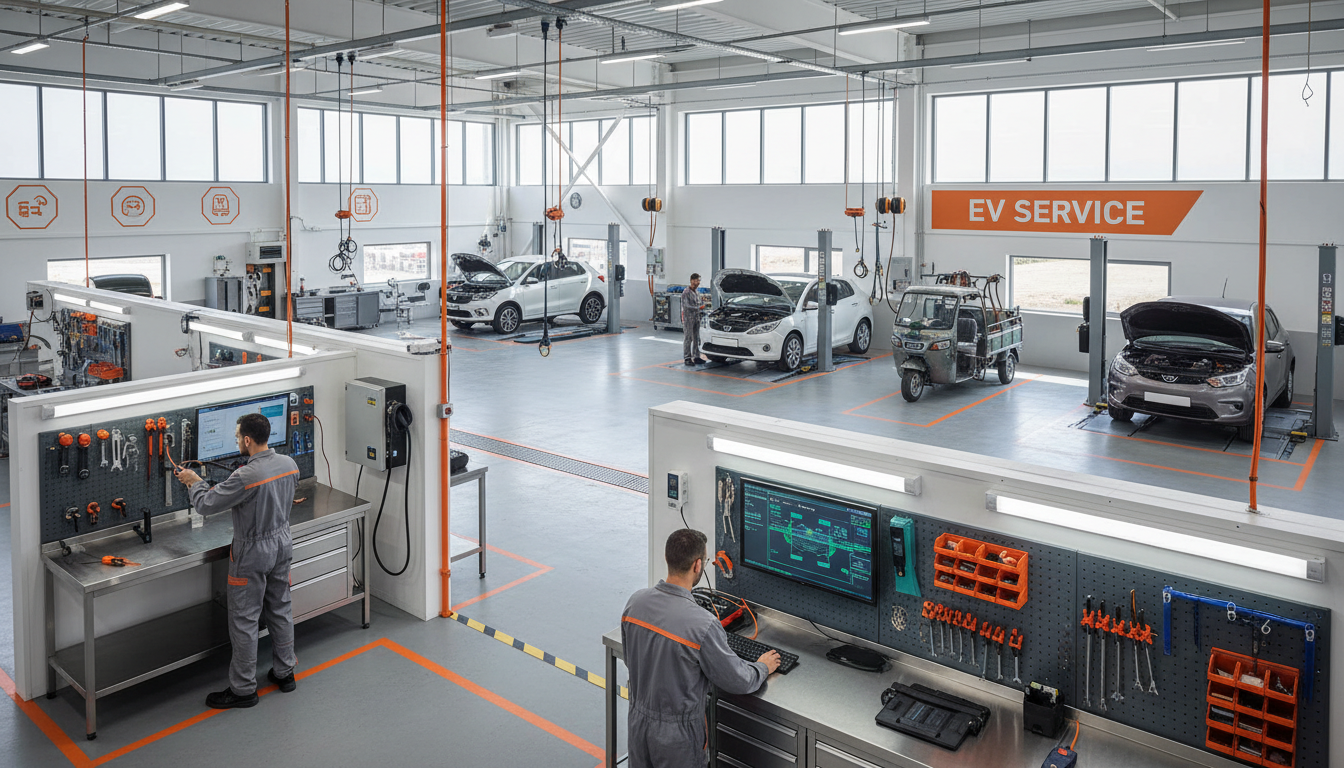
Despite advancements, several challenges persist in EV powertrain design. Engineers must address issues such as thermal management, power density, and cost-effectiveness. Balancing these factors is crucial for developing competitive and sustainable electric vehicles.
Future Trends and Innovations
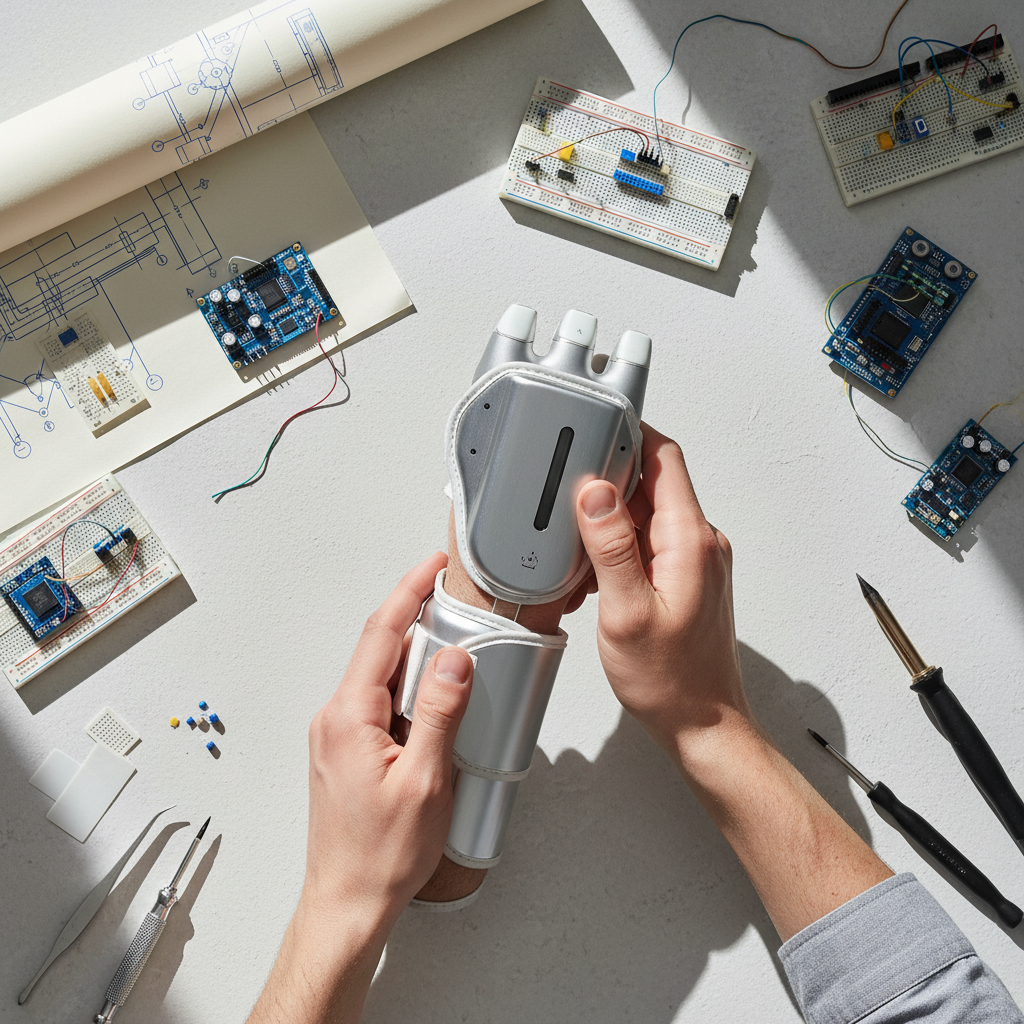
As technology evolves, the future of EV powertrain design holds exciting possibilities. Innovations like solid-state batteries, advanced motor technologies, and integrated power electronics promise to reshape the landscape of electric mobility.
Emerging trends include:
- Increased focus on energy efficiency
- Integration of artificial intelligence for better energy management
- Development of more sustainable materials
Conclusion
Navigating the complexities of electric vehicle powertrain design requires a deep understanding of both current technologies and future trends. By focusing on efficiency, innovation, and sustainability, engineers can drive the future of transportation towards a cleaner, greener horizon.