
Navigating Next-Gen Electric Powertrains: Key Developments
Introduction to Next-Gen Electric Powertrains
The evolution of electric powertrains is reshaping the automotive industry at a rapid pace. With advancements in technology, next-generation powertrains offer enhanced efficiency, performance, and sustainability. This shift marks a significant step towards reducing carbon emissions and dependency on fossil fuels.
Advancements in Battery Technology
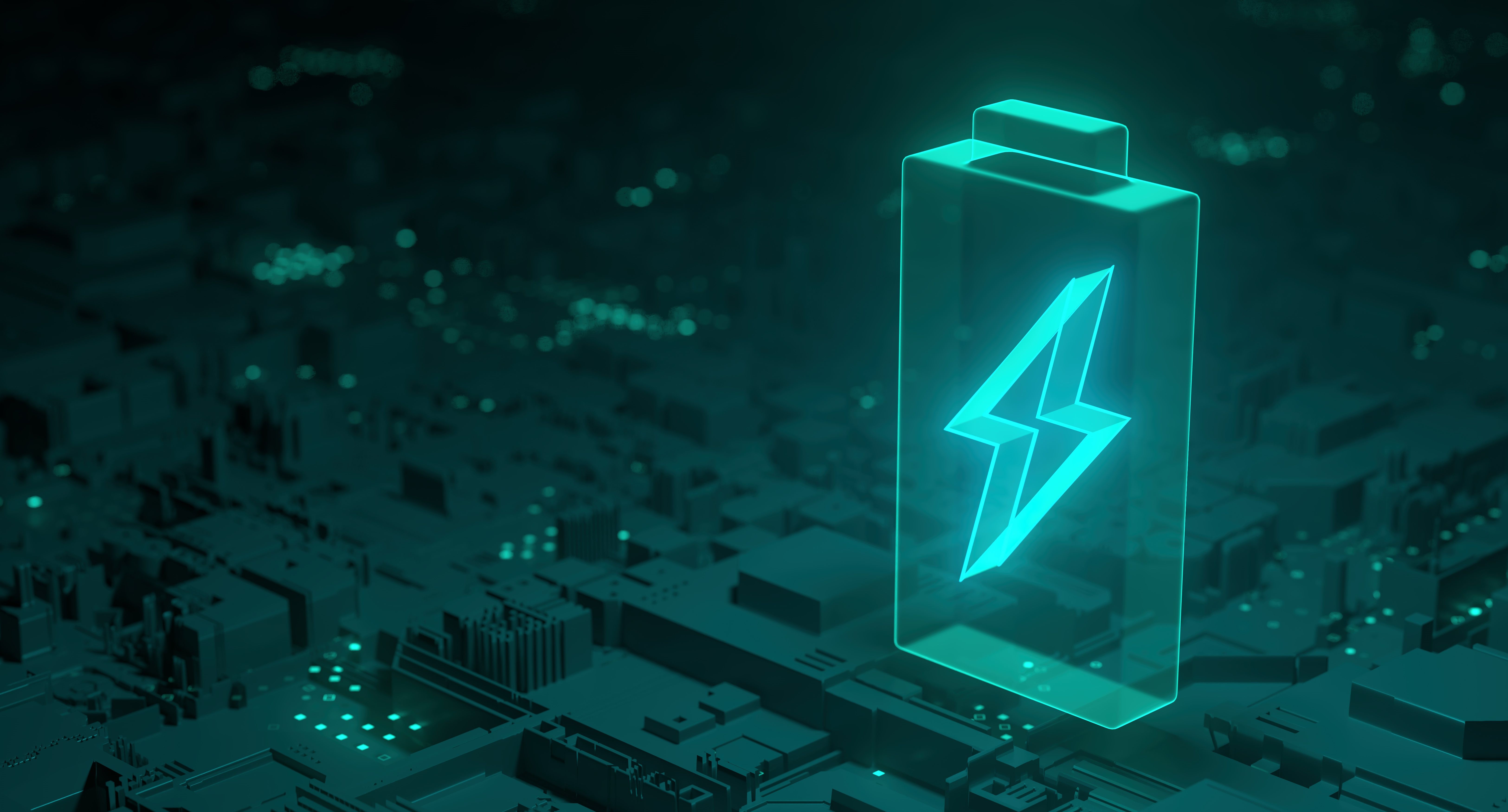
One of the most critical components of an electric powertrain is the battery. Recent developments in battery technology have led to increased energy density, faster charging times, and longer lifespans. Innovations such as solid-state batteries promise to revolutionize the market by offering higher safety and efficiency compared to traditional lithium-ion batteries.
Manufacturers are also exploring the use of alternative materials to reduce costs and environmental impact. The integration of battery management systems ensures optimal performance by monitoring and regulating battery health in real-time.
Electric Motor Innovations
Electric motors are at the heart of every electric vehicle, and recent innovations have significantly enhanced their performance. The use of permanent magnet motors and advancements in motor design have led to higher efficiency and power output. These improvements translate into better acceleration and a smoother driving experience.

Furthermore, manufacturers are focusing on reducing the size and weight of motors, making them more suitable for a wide range of vehicle types. This flexibility allows for the integration of electric powertrains in everything from compact cars to heavy-duty trucks.
Power Electronics and Control Systems
The role of power electronics in electric powertrains cannot be overstated. These systems are responsible for managing the flow of electricity between the battery, motor, and other components. Recent advancements in semiconductor technology have led to more efficient power conversion, which in turn improves the overall efficiency of the vehicle.
Control systems have also seen significant improvements, enabling more precise control of power delivery. This precision results in better energy management and enhanced driving dynamics.

Infrastructure and Charging Solutions
As electric vehicles become more prevalent, the need for robust charging infrastructure grows. Developments in fast-charging technology are making it easier for drivers to recharge their vehicles quickly and conveniently. The expansion of charging networks is crucial for supporting the widespread adoption of electric powertrains.
Innovative solutions like wireless charging and vehicle-to-grid technology are also emerging, offering new possibilities for energy management and connectivity.
Conclusion
Navigating the world of next-gen electric powertrains involves understanding these key developments. From advanced batteries and motors to cutting-edge power electronics and charging solutions, each innovation plays a crucial role in the transition to electric mobility. As these technologies continue to evolve, they promise a more sustainable and efficient future for transportation.