
Navigating Technical Challenges in Electric Powertrain Development
Understanding the Core Components
The development of electric powertrains presents a unique set of technical challenges that engineers must navigate. At the heart of these challenges is the integration of various core components, including the motor, battery, and power electronics. Each component plays a critical role in ensuring the efficiency and reliability of the powertrain.
A key focus is on the motor, which must deliver high performance while maintaining energy efficiency. The design and selection of the motor can significantly impact the overall performance of the electric vehicle.

Another vital component is the battery. It requires careful consideration of factors such as energy density, weight, and thermal management. The choice of battery technology can influence the range, charging time, and longevity of the vehicle.
Overcoming Thermal Management Issues
Thermal management is a significant challenge in electric powertrain development. Excessive heat generation can lead to reduced efficiency and potential failures. Engineers must design efficient cooling systems to dissipate heat effectively.
Innovative solutions, such as liquid cooling systems, are increasingly being adopted to maintain optimal operating temperatures. These systems help in enhancing the performance and lifespan of the powertrain components.
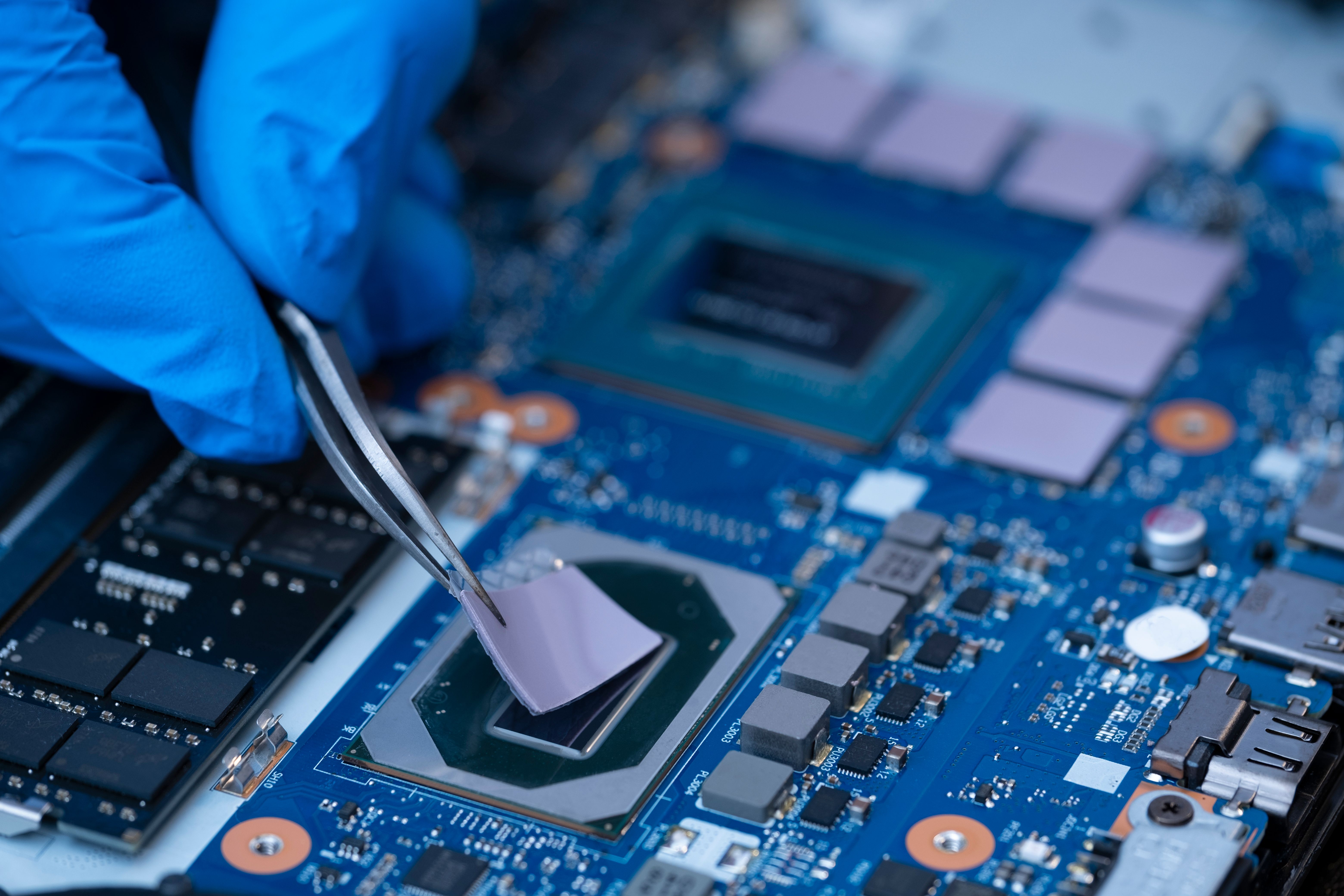
Continual advancements in materials and design techniques are also playing a crucial role in addressing thermal management concerns. The use of high thermal conductivity materials can improve heat dissipation and enhance overall system reliability.
Addressing Power Electronics Complexity
Power electronics are integral to the control and conversion of electric power within the powertrain. They are responsible for managing the flow of electricity between the battery and motor. However, their complexity can pose significant challenges.
Engineers must focus on developing robust control algorithms to ensure the efficient operation of power electronics. Additionally, they need to address issues related to electromagnetic interference and harmonic distortion.

The integration of advanced semiconductor technologies is helping to streamline power electronics, making them more compact and efficient. This progress is critical for enhancing the overall performance of electric vehicles.
Ensuring System Integration and Testing
Effective system integration is crucial for the successful development of an electric powertrain. Engineers must ensure seamless interaction between all components, which requires rigorous testing and validation.
The use of simulation tools is essential in predicting system behavior and identifying potential issues early in the development process. These tools enable engineers to optimize the design and improve system integration.
Comprehensive testing protocols are necessary to validate the performance and safety of the powertrain under various operating conditions. This ensures that the powertrain meets the required standards and regulations.
Future Trends in Electric Powertrain Development
The future of electric powertrain development is promising, with ongoing research focused on enhancing efficiency and reducing costs. Emerging technologies such as solid-state batteries and integrated motor drives are set to revolutionize the landscape.
As the industry moves towards greater sustainability, the emphasis on recycling and reusing materials is also becoming a priority. This shift is not only beneficial for the environment but also for reducing overall production costs.

With continuous innovation and collaboration within the industry, the challenges in electric powertrain development are being addressed, paving the way for more efficient and sustainable electric vehicles.