
Navigating the Electric Vehicle Landscape: Key Challenges and Opportunities in Cairo
Introduction to the Electric Vehicle Landscape in Cairo
As the world shifts towards greener solutions, Cairo is emerging as a focal point for electric vehicle (EV) adoption in the Middle East. The transition promises not only environmental benefits but also economic and social advantages. However, this journey is fraught with challenges that require careful navigation.

Infrastructure Development: A Crucial Step
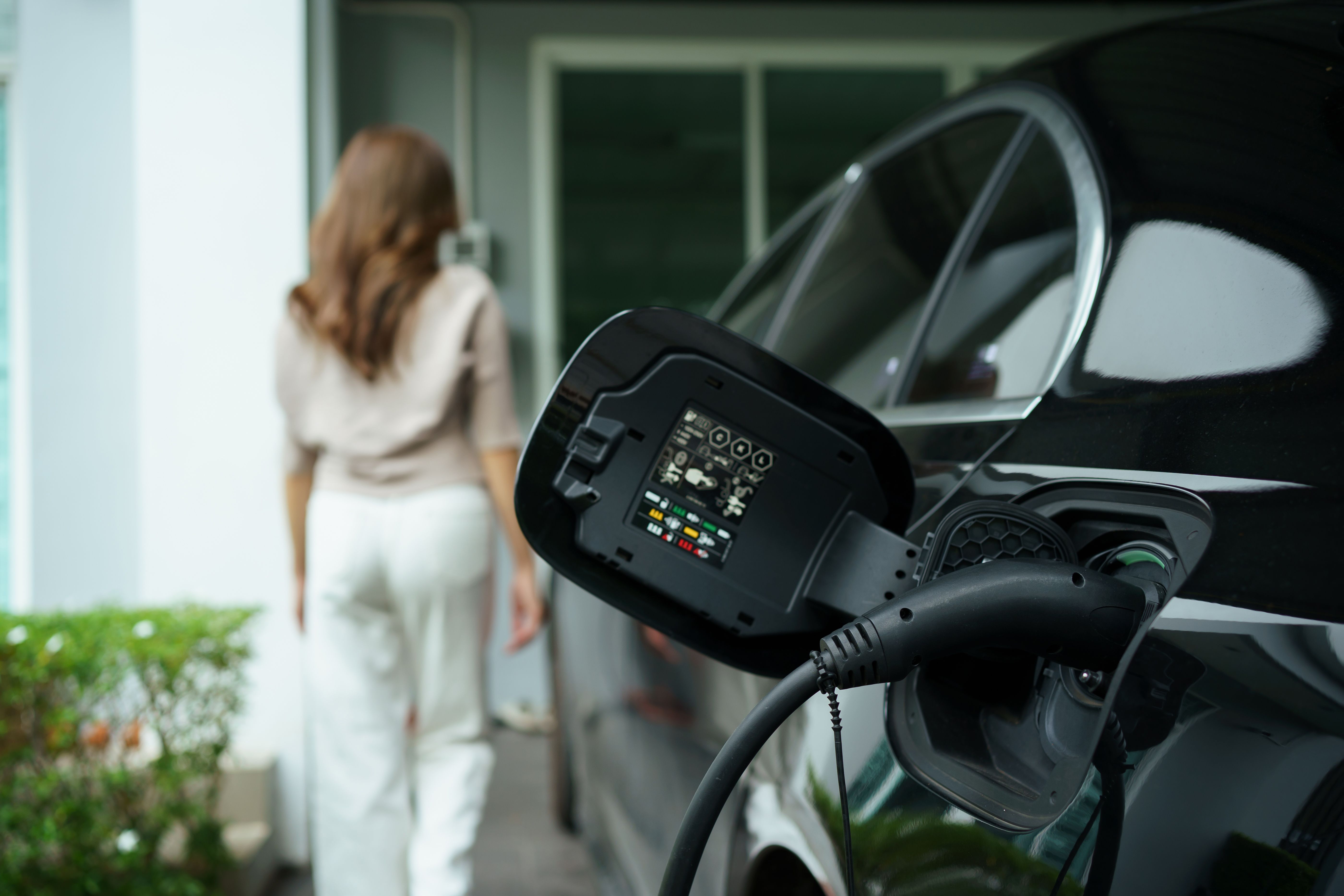
One of the most pressing challenges is the development of adequate charging infrastructure. Cairo's current network is limited, posing a significant barrier to widespread EV adoption. Expanding this network is essential to accommodate the growing number of EVs expected on the roads.
Efforts are underway to establish more charging stations across the city. Collaborations between the government and private enterprises are crucial in making this a reality. The goal is to ensure that EV owners can conveniently charge their vehicles, reducing range anxiety and promoting confidence in the switch to electric.
Government Policies and Incentives
The Egyptian government has a pivotal role to play in the EV landscape. Implementing supportive policies and incentives can accelerate adoption rates. Currently, there are some tax breaks and import duty reductions for EVs, but more comprehensive measures could enhance their appeal.
Subsidies for EV purchases and investments in local manufacturing could drive significant growth. Such initiatives would not only make EVs more affordable but also boost the local economy by creating jobs in the emerging green sector.

Environmental and Economic Benefits
Adopting electric vehicles in Cairo presents numerous environmental benefits. EVs produce zero tailpipe emissions, contributing to improved air quality in a city often plagued by pollution. This shift is vital for the health and well-being of Cairo's inhabitants.
Moreover, the economic implications are substantial. Reduced reliance on imported fuel can lead to significant savings, while increased energy independence aligns with national economic goals. As the cost of renewable energy sources declines, EVs become an even more attractive option.
Consumer Awareness and Education
Increasing consumer awareness is critical for the success of EVs. Many potential buyers may still be unfamiliar with the benefits and functionalities of electric vehicles. Educational campaigns can bridge this gap, highlighting the long-term savings and environmental advantages of going electric.
Test drive events and informational workshops can also play an instrumental role in demystifying EV technology. Providing firsthand experiences can alleviate concerns and encourage more people to consider this sustainable transportation option.
The Role of Innovation and Technology
Innovation is at the heart of the EV revolution. Continuous advancements in battery technology, for instance, are making electric vehicles more efficient and affordable. In Cairo, fostering a culture of innovation can further drive the EV industry forward.
Local startups and tech companies are already exploring smart solutions to enhance EV technology and infrastructure. Supporting these initiatives through funding and partnerships can position Cairo as a leader in the region's green transition.
Conclusion
The transition to electric vehicles in Cairo is filled with both challenges and opportunities. By addressing infrastructure, policy, awareness, and innovation, Cairo can navigate this landscape effectively. The result will be a cleaner, more sustainable future that benefits everyone.