Navigating the Electric Vehicle Landscape in Egypt: Challenges and Opportunities
The electric vehicle (EV) market in Egypt is experiencing a transformative phase. As the country moves towards sustainable transportation, several challenges and opportunities arise. Understanding these dynamics is crucial for stakeholders, from policymakers to consumers.

The Current EV Landscape in Egypt
The adoption of electric vehicles in Egypt is still in its infancy. However, with increasing environmental awareness and government initiatives, the market is gradually expanding. The government has recently introduced incentives to encourage the purchase of EVs, including tax reductions and the development of charging infrastructure.
Despite these efforts, the penetration rate of EVs remains low compared to global standards. Limited charging stations and a lack of consumer awareness are significant hurdles to overcome.
Charging Infrastructure: A Key Challenge
A primary challenge in Egypt's EV landscape is the underdeveloped charging infrastructure. The availability of charging stations is concentrated in urban areas, leaving rural regions underserved. This disparity discourages potential EV buyers who fear being stranded without charging options.
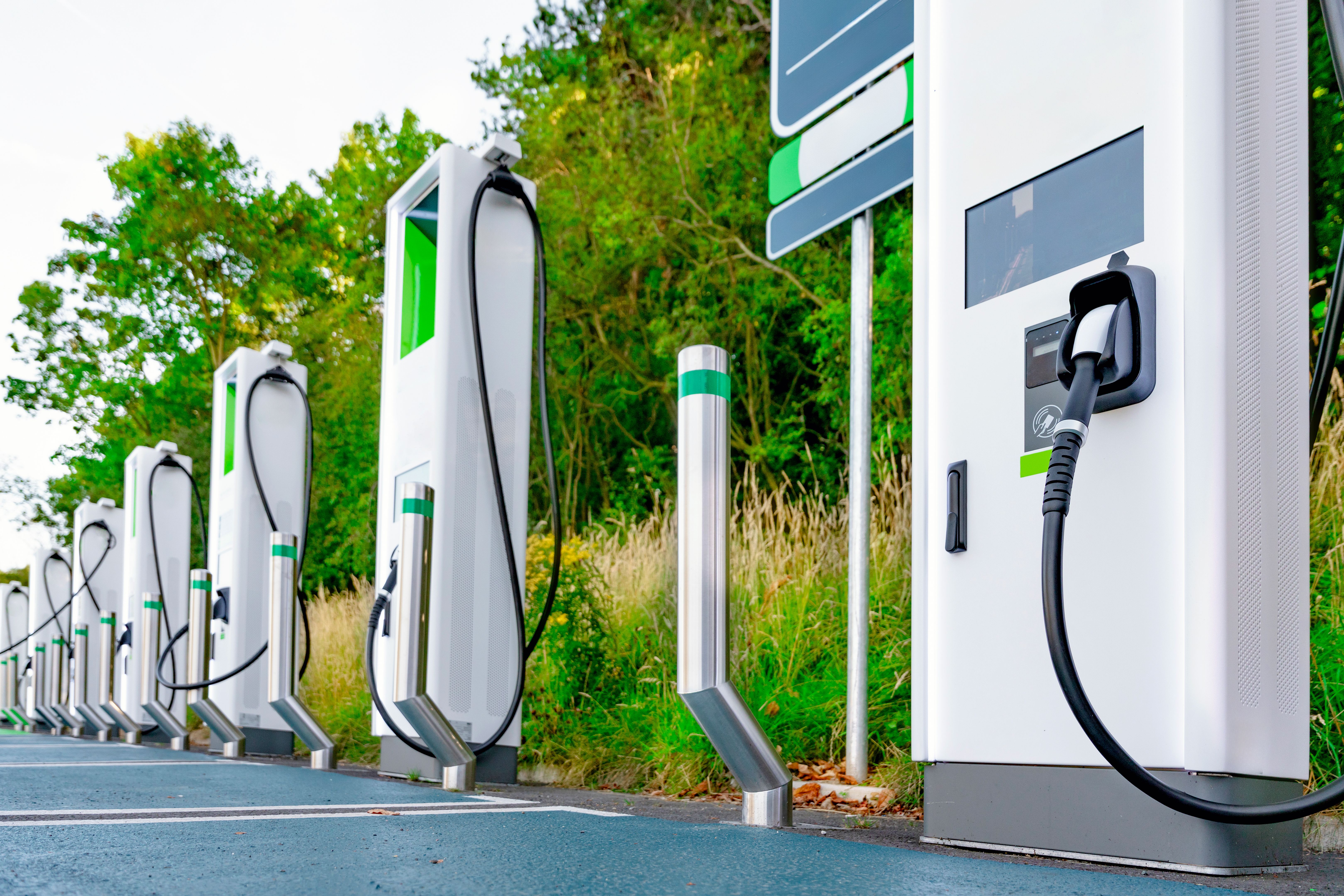
To address this issue, the Egyptian government is working with private companies to expand the charging network. Collaboration with international partners is also being explored to leverage advanced technologies and expertise.
Opportunities for Growth
Despite the challenges, the EV market in Egypt presents several growth opportunities. Government incentives and subsidies can significantly boost consumer adoption. Additionally, the reduction in import duties for EV components can encourage local manufacturing.
Role of Renewable Energy
Integrating renewable energy sources with EV infrastructure can offer a sustainable solution for Egypt. With its abundant solar and wind resources, the country has the potential to power charging stations with clean energy, further enhancing the appeal of electric vehicles.
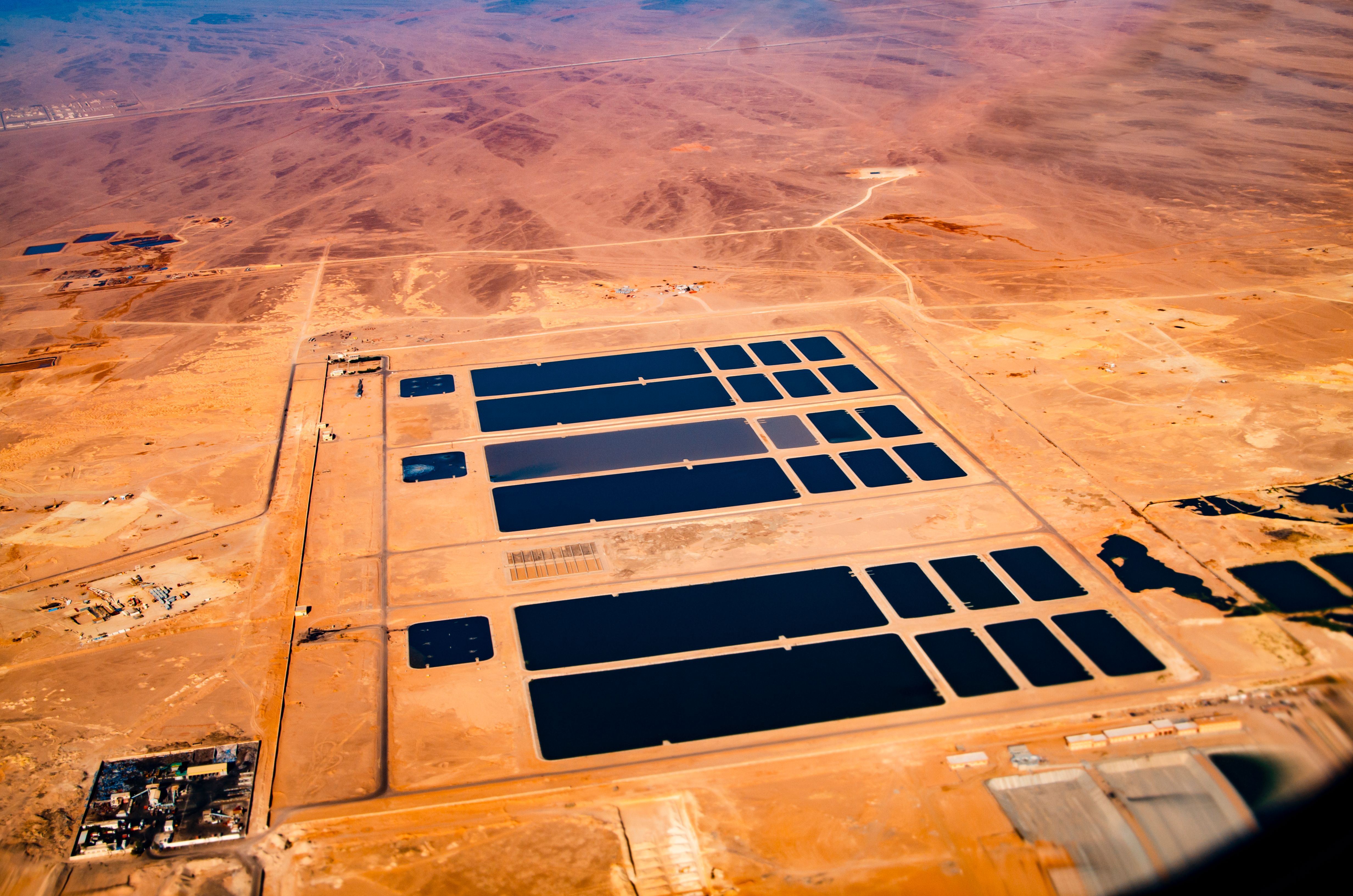
Moreover, this integration can reduce the overall carbon footprint and align with Egypt's commitment to international climate agreements.
Consumer Awareness and Education
Raising awareness about the benefits of electric vehicles is crucial for market growth. Educational campaigns highlighting the cost savings and environmental impact of EVs can shift consumer perception and increase adoption rates.
Partnerships with automotive companies, media outlets, and educational institutions can play a significant role in disseminating information and fostering a culture that embraces electric mobility.
Conclusion
As Egypt navigates the electric vehicle landscape, a balanced approach addressing both challenges and opportunities is essential. With continued investment in infrastructure, renewable energy integration, and consumer education, the country can accelerate its transition to a sustainable transportation future.