
The Future of eMobility: Innovative Solutions for a Greener Tomorrow
The Rise of eMobility
The shift towards electric mobility, or eMobility, is rapidly transforming how we think about transportation. With increasing environmental concerns and technological advancements, electric vehicles (EVs) are becoming a central component of a sustainable future. As more companies and governments invest in this sector, innovative solutions are emerging to overcome the challenges associated with eMobility.
Advancements in Battery Technology
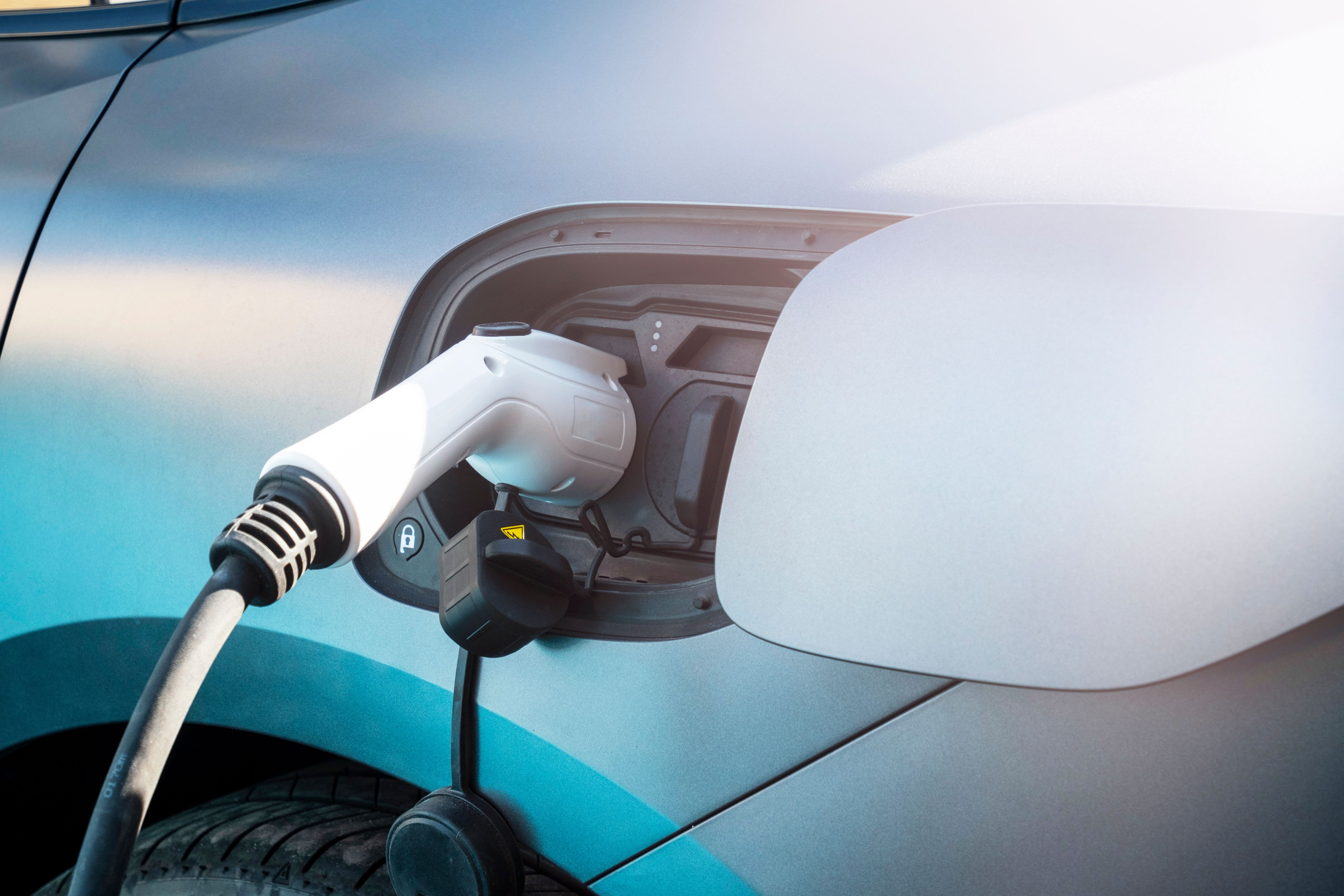
One of the most critical factors driving the growth of eMobility is the advancement in battery technology. Batteries are becoming more efficient, offering longer ranges and faster charging times. This progress not only enhances the convenience of EVs but also reduces the overall cost of ownership, making electric vehicles more accessible to the general public.
Recent developments in solid-state batteries promise to further revolutionize the industry. These batteries offer higher energy densities and improved safety compared to traditional lithium-ion batteries. As research continues, we can expect even more breakthroughs that will enhance the performance and affordability of EVs.
Infrastructure Expansion
To accommodate the growing number of electric vehicles on the road, there is a pressing need for expanded charging infrastructure. Governments and private companies are investing heavily in the development of charging stations, ensuring that drivers have convenient access to charging points. This expansion is crucial to support the widespread adoption of eMobility.
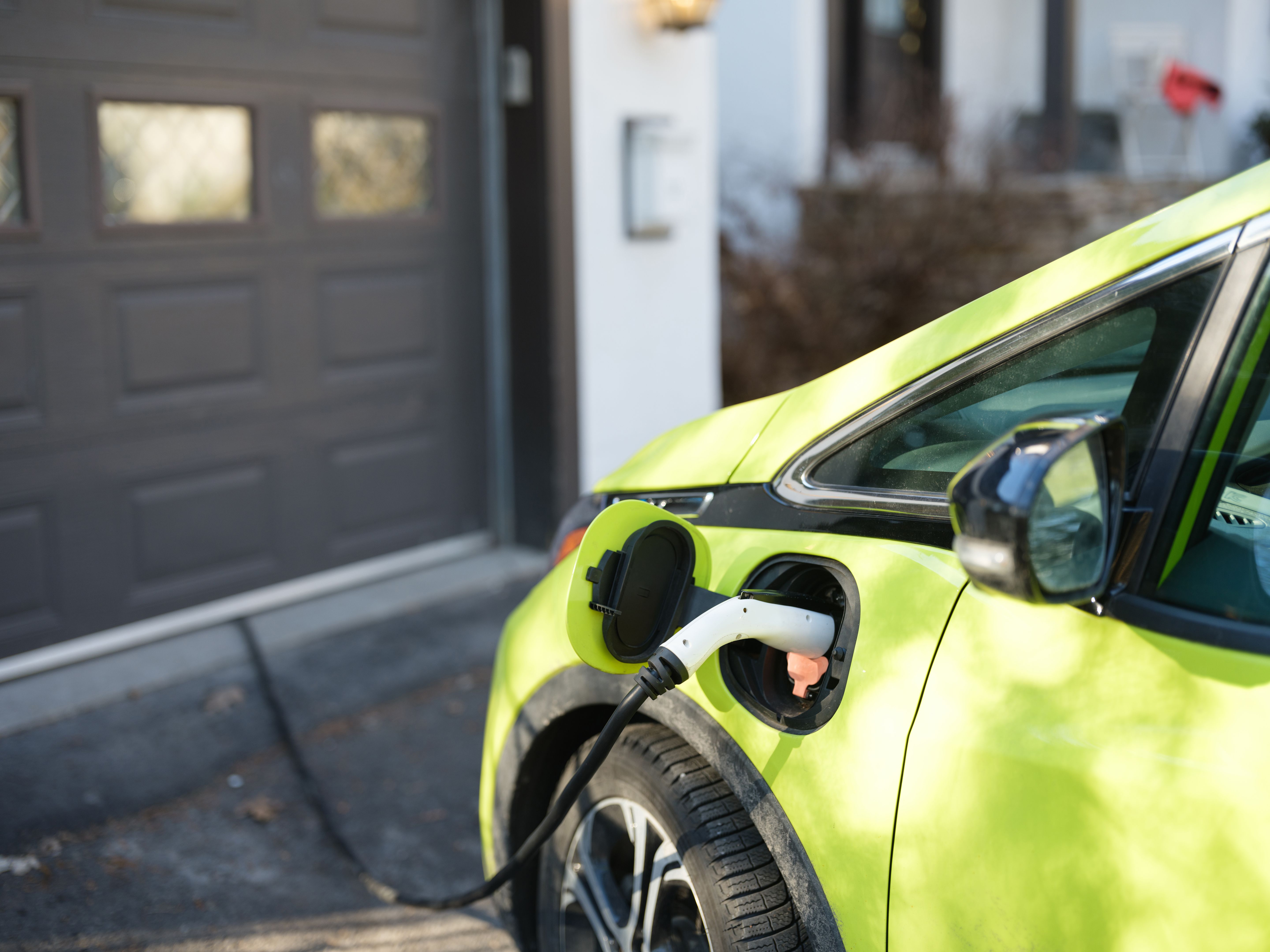
In addition to traditional charging stations, innovative solutions like wireless charging and ultra-fast chargers are being deployed. These technologies aim to reduce charging times and enhance the overall user experience, making electric vehicles more attractive to potential buyers.
Smart Cities and eMobility
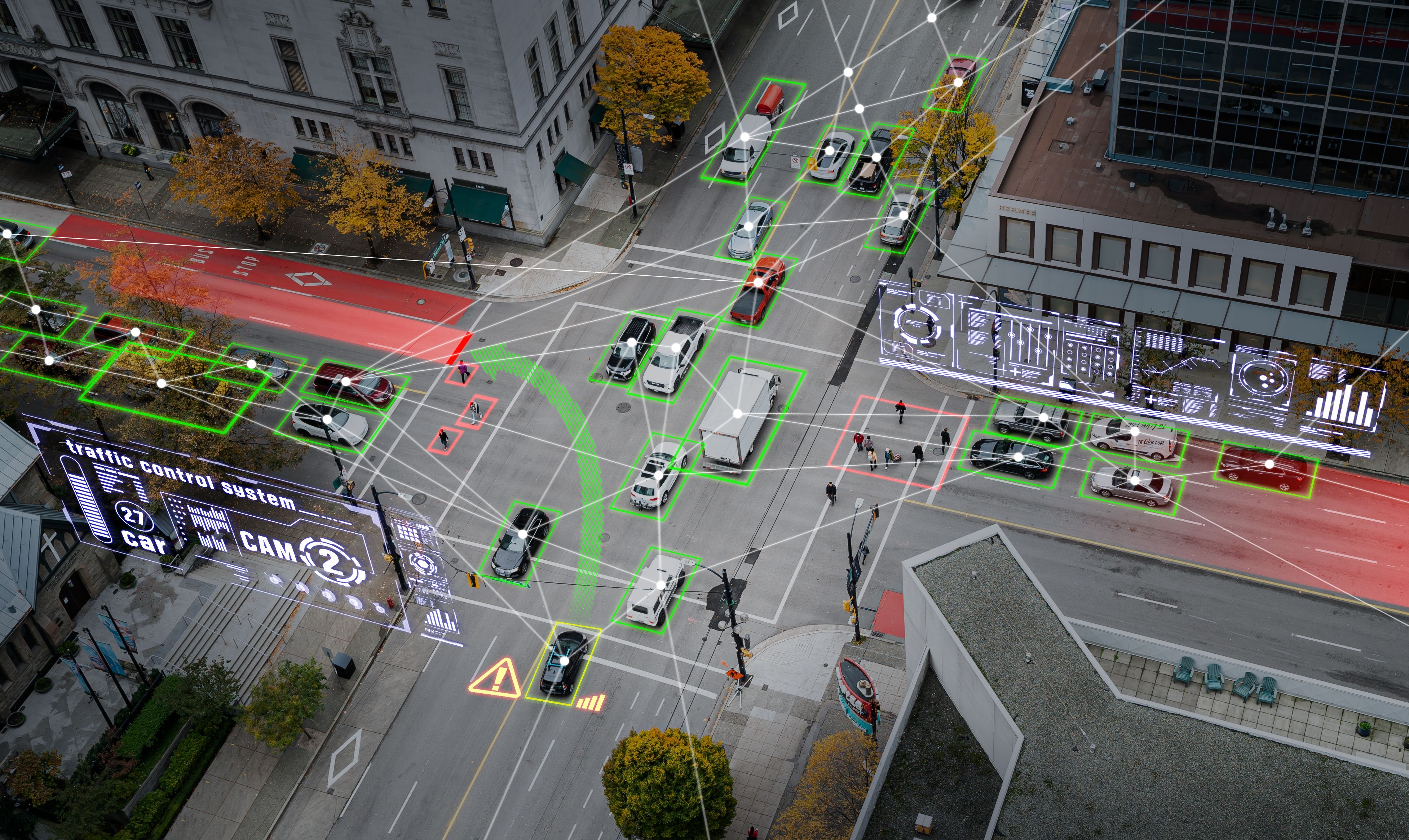
The integration of eMobility with smart city initiatives is another exciting development. Smart cities are leveraging technology to improve urban living, and eMobility plays a significant role in this transformation. By incorporating electric vehicles into public transportation systems and city planning, urban areas can reduce their carbon footprint and improve air quality.
Furthermore, eMobility solutions such as electric buses, bikes, and scooters are being integrated into public transportation networks. These options provide efficient and eco-friendly alternatives to traditional transportation modes, contributing to a greener tomorrow.
Policy and Incentives
Government policies and incentives are pivotal in promoting the adoption of eMobility. Many countries are implementing measures such as tax credits, subsidies, and rebates to encourage consumers and businesses to switch to electric vehicles. These incentives not only make EVs more affordable but also stimulate innovation within the industry.
Additionally, governments are setting ambitious targets for reducing greenhouse gas emissions, further boosting the demand for electric vehicles. As these policies continue to evolve, they will play a crucial role in shaping the future of eMobility.
The Role of Renewable Energy
The synergy between eMobility and renewable energy sources is essential for achieving a truly sustainable transportation system. By powering electric vehicles with renewable energy, such as solar or wind power, we can significantly reduce the environmental impact of transportation.
Efforts are underway to integrate renewable energy into charging infrastructure, ensuring that EVs are not only emission-free on the road but also during the charging process. This holistic approach is vital for realizing the full environmental benefits of eMobility.
Conclusion
The future of eMobility is bright, with innovative solutions paving the way for a greener tomorrow. As technology advances and infrastructure expands, electric vehicles are set to become a mainstream choice for consumers. By embracing these changes and continuing to invest in sustainable practices, we can look forward to a cleaner, more sustainable future for all.