
The Future of eMobility: Trends and Innovations
The Rise of Electric Vehicles
The global shift towards sustainability has fueled the rise of electric vehicles (EVs), making them a cornerstone of the future of eMobility. As environmental concerns grow, governments and consumers alike are seeking greener alternatives to traditional fossil fuels. This demand has propelled the EV market into a period of rapid expansion and innovation.
Manufacturers are investing heavily in research and development to improve battery technology, increase range, and reduce costs. These advancements are crucial for making EVs accessible and appealing to a broader audience. With more affordable options on the horizon, the adoption rate of electric vehicles is expected to surge.

Battery Innovations
Batteries are at the heart of the eMobility revolution. The quest for a more efficient, longer-lasting battery is ongoing, with significant breakthroughs on the horizon. Solid-state batteries, for instance, promise to offer higher energy densities and faster charging times compared to traditional lithium-ion batteries.
Moreover, advancements in recycling technologies are making batteries more sustainable. By efficiently reclaiming valuable materials, the environmental impact of battery production can be minimized, addressing one of the key concerns associated with EVs.
Charging Infrastructure
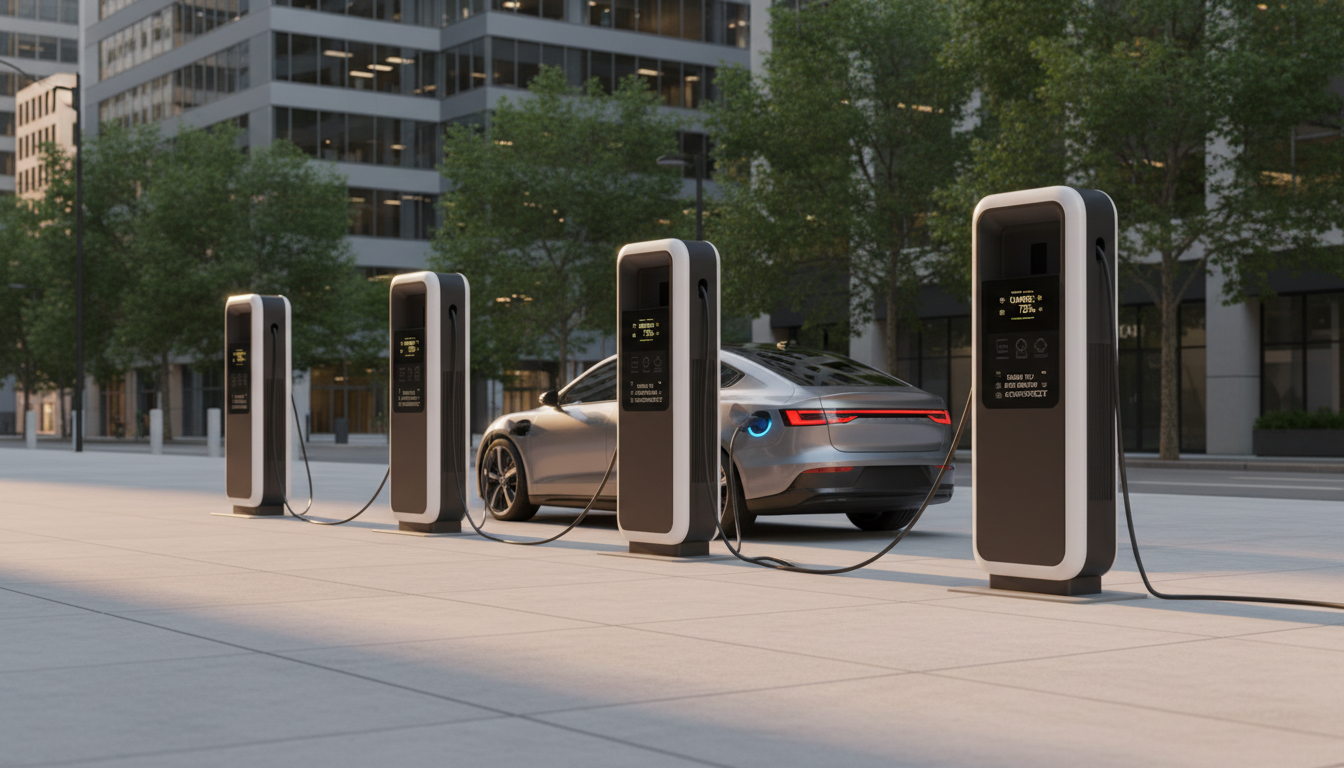
A robust charging infrastructure is essential for the widespread adoption of electric vehicles. Efforts are underway globally to expand charging networks, making it more convenient for users to charge their vehicles. This includes the installation of fast-charging stations along major highways and in urban areas.
Innovations such as wireless charging are also gaining traction. By allowing vehicles to charge without physical connectors, the experience becomes more seamless and user-friendly. This technology is expected to become more prevalent as it matures.
Autonomous Driving and Connectivity
The integration of autonomous driving technology with electric vehicles is another exciting development in eMobility. Self-driving EVs have the potential to revolutionize transportation, offering increased safety and efficiency. Companies are testing autonomous systems extensively, with some regions already permitting limited autonomous driving.
Connectivity is also a key component of future mobility solutions. Connected vehicles can communicate with each other and their surroundings, leading to smarter traffic management and enhanced passenger experiences. This connectivity is paving the way for the development of smart cities.
Sustainability and Policy Support
Government policies play a critical role in shaping the future of eMobility. Incentives such as tax credits, rebates, and grants are encouraging both manufacturers and consumers to transition to electric vehicles. Additionally, stricter emissions regulations are prompting automakers to innovate and prioritize cleaner technologies.

As these trends and innovations converge, the future of eMobility looks promising. The shift towards electric vehicles is not just a trend but a crucial step towards a more sustainable and efficient transportation ecosystem. With continued advancements and support, eMobility is set to redefine the way we move in the coming decades.