
The Future of eMobility in Egypt: Local Trends and Opportunities
Introduction to eMobility in Egypt
As the world shifts towards sustainable energy solutions, eMobility is gaining momentum globally, and Egypt is no exception. With its commitment to reducing carbon emissions and reliance on fossil fuels, Egypt is poised to become a leader in electric mobility in the region. This blog post explores the local trends and opportunities shaping the future of eMobility in Egypt.
Government Initiatives and Policies
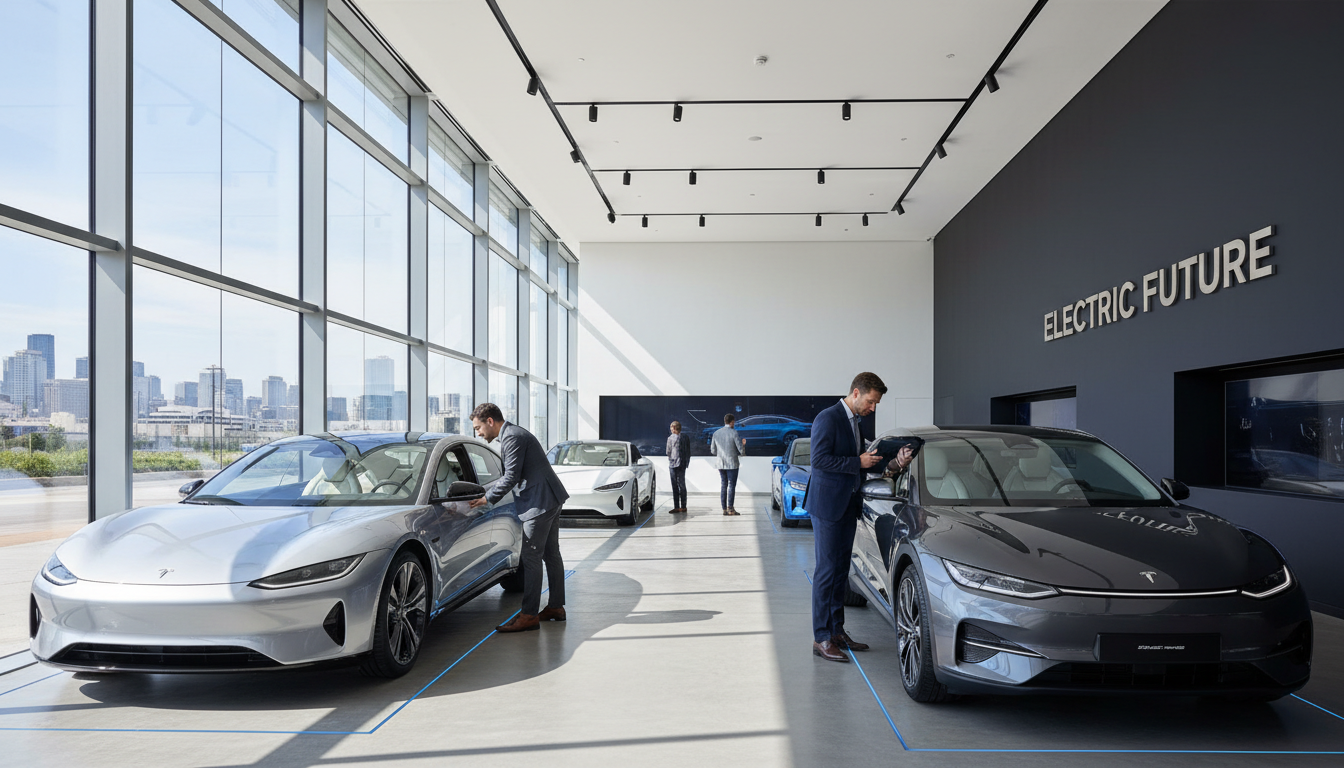
The Egyptian government has implemented several initiatives to support the growth of eMobility. Policies include tax incentives for electric vehicle (EV) imports and the establishment of charging infrastructure. The government aims to have electric buses make up a significant portion of public transportation by 2030.
The introduction of these policies is essential for encouraging investment and adoption of electric vehicles. By providing a supportive legislative environment, Egypt is paving the way for a greener future.
Local Market Trends
The demand for electric vehicles in Egypt is steadily increasing. Local consumers are becoming more environmentally conscious and are attracted by the lower operating costs of EVs compared to traditional vehicles. Importantly, the rise in fuel prices has further incentivized this shift.
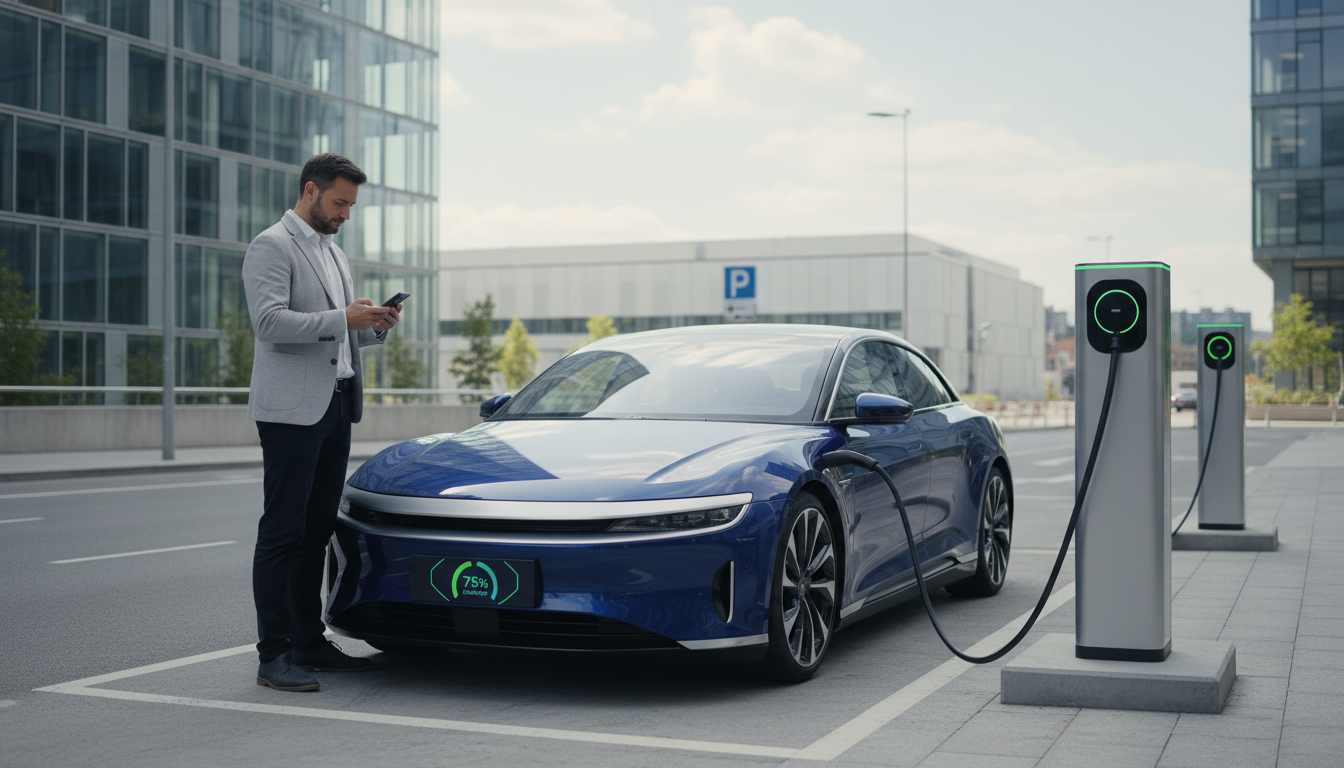
Several local companies are also investing in the development of electric vehicles and charging stations. These efforts are crucial for building the infrastructure needed to support the growing number of EVs on Egyptian roads.
Challenges in Adoption
Despite positive trends, the adoption of eMobility in Egypt faces several challenges. These include the high initial cost of electric vehicles and limited charging infrastructure. Addressing these challenges requires collaborative efforts between the government, private sector, and international partners.
Opportunities for Growth
The eMobility sector in Egypt offers numerous opportunities for growth. Investments in research and development can lead to advancements in battery technology and vehicle efficiency. Additionally, partnerships with international companies can bring in expertise and technology transfer.

Egypt's strategic location also positions it as a potential hub for electric vehicle manufacturing and export to neighboring regions. This could boost the local economy and create jobs in the automotive and tech industries.
The Role of Renewable Energy
Renewable energy plays a crucial role in the future of eMobility in Egypt. By integrating solar and wind energy with charging infrastructure, Egypt can ensure a sustainable energy supply for electric vehicles. This not only reduces reliance on fossil fuels but also aligns with the country's renewable energy targets.
As Egypt continues to invest in renewable energy projects, the synergy between these initiatives and eMobility will be key to achieving a sustainable transportation ecosystem.
Conclusion
The future of eMobility in Egypt is promising, with significant opportunities for development and innovation. By addressing current challenges and leveraging local strengths, Egypt can become a leader in the electric mobility sector in the Middle East and North Africa. The journey towards a sustainable future is underway, and eMobility is at the forefront of this transformation.