
The Role of Electric Powertrain Design in Achieving Sustainable Mobility
Understanding Electric Powertrain Design
Electric powertrain design is at the heart of the transition to sustainable mobility. As the world moves away from fossil fuels, the need for efficient and effective electric powertrains becomes more critical. Understanding the components and the engineering behind these systems can help us appreciate their role in achieving a greener future.
At its core, an electric powertrain consists of an electric motor, battery pack, transmission, and control systems. These components work together to convert electrical energy into mechanical energy, propelling the vehicle forward. The design and integration of these components are crucial for maximizing efficiency and performance.
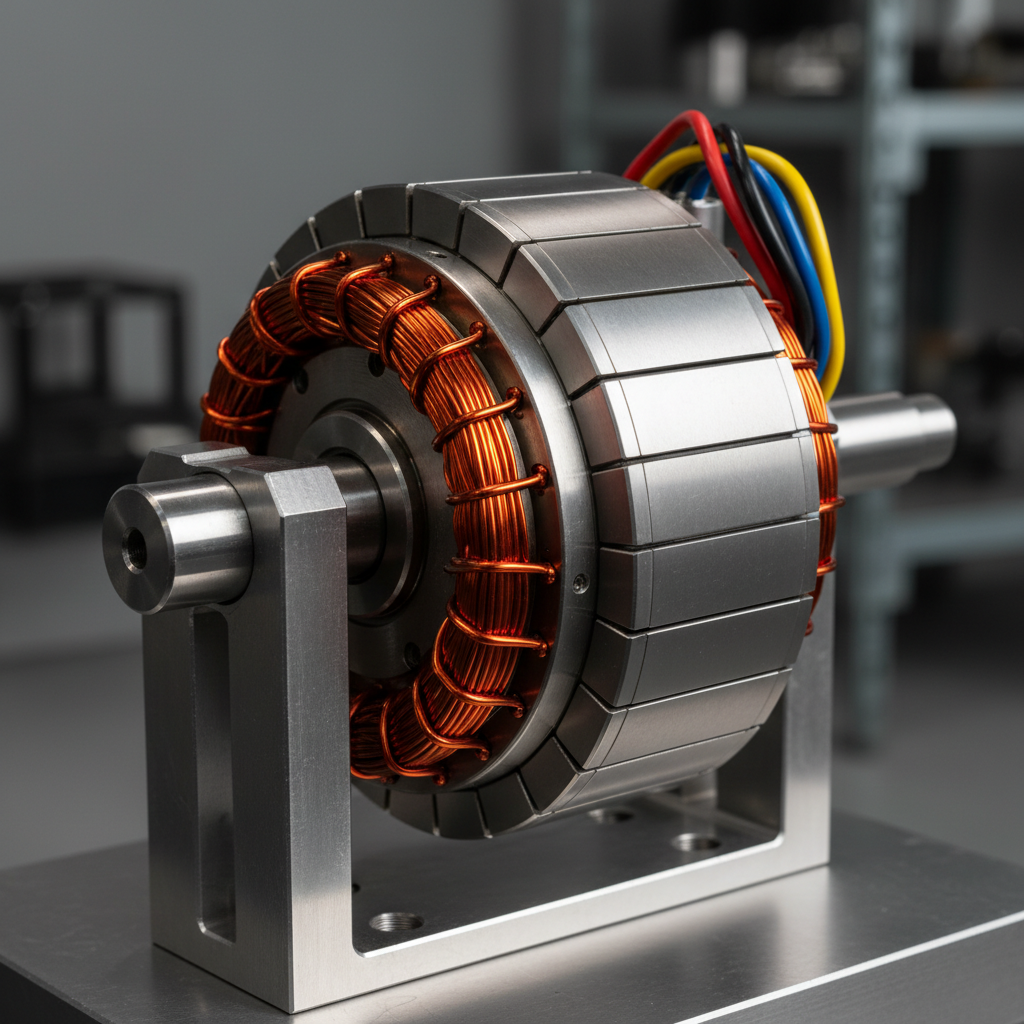
Components of an Electric Powertrain
The electric motor is the powerhouse of the system, converting electrical energy into mechanical motion. Unlike traditional engines, electric motors offer instant torque, providing quicker acceleration and smoother performance. The battery pack stores the energy needed to power the motor, and advancements in battery technology are continuously improving range and charging times.
The transmission in an electric vehicle is simpler than in a conventional vehicle, often with just one gear. This simplicity reduces mechanical losses and contributes to a more efficient system. Control systems manage the power flow, ensuring optimal performance under various driving conditions.
Sustainability Through Innovation
Sustainable mobility is not just about replacing gasoline engines with electric motors. It involves a holistic approach to reducing the environmental impact of transportation. Electric powertrain design plays a significant role in this by improving energy efficiency and reducing emissions.
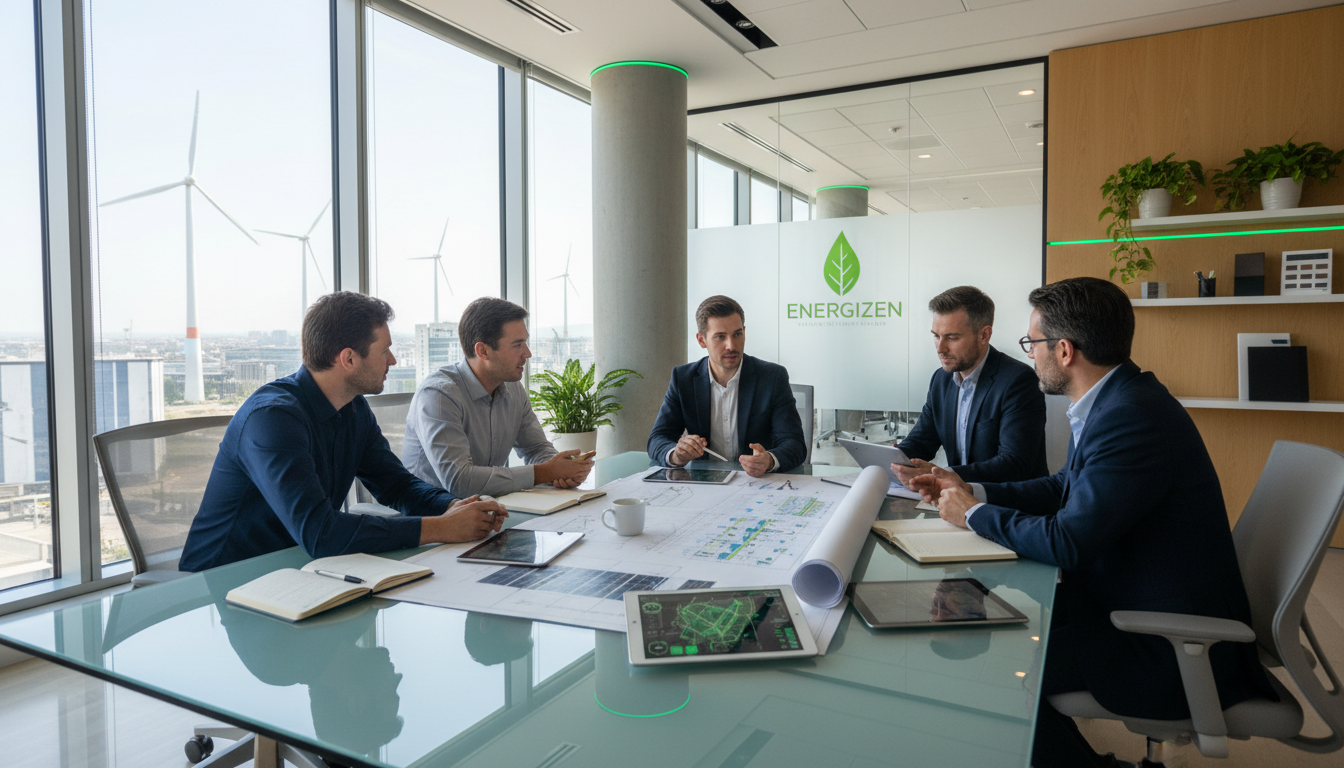
Innovations in materials and engineering have led to lighter, more efficient powertrains. Lightweight materials reduce the vehicle's overall weight, increasing efficiency and extending range. Additionally, regenerative braking systems capture energy during braking, further enhancing sustainability.
Challenges and Opportunities
Despite significant advancements, challenges remain in electric powertrain design. The high cost of batteries, limited charging infrastructure, and range anxiety are common concerns. However, these challenges present opportunities for innovation and growth in the industry.
- Battery technology improvements can lead to longer ranges and faster charging.
- Expanding charging networks will make electric vehicles more practical for everyday use.
- Research and development can reduce manufacturing costs, making electric vehicles more accessible.
The Future of Electric Powertrains
The future of sustainable mobility looks promising, with electric powertrains at the forefront of this transformation. As technology continues to advance, the efficiency and accessibility of electric vehicles will improve. This evolution will not only enhance the driving experience but also contribute to a cleaner, more sustainable planet.
Collaboration between governments, manufacturers, and consumers is essential to accelerate this transition. Policies supporting electric vehicle adoption, investment in renewable energy, and public awareness campaigns can drive the change needed to achieve sustainable mobility.
Conclusion
The role of electric powertrain design in achieving sustainable mobility cannot be overstated. By focusing on innovation, efficiency, and collaboration, we can pave the way for a cleaner and more sustainable future. The journey towards sustainable mobility is ongoing, and the advancements in electric powertrain technology are leading the charge.