
Top Challenges in EV Powertrain Design and How to Overcome Them
Introduction
The shift towards electric vehicles (EVs) is a significant step in reducing carbon emissions and promoting sustainable transportation. However, designing an efficient EV powertrain presents several challenges that engineers must overcome to ensure optimal performance, efficiency, and reliability.
Battery Efficiency and Management
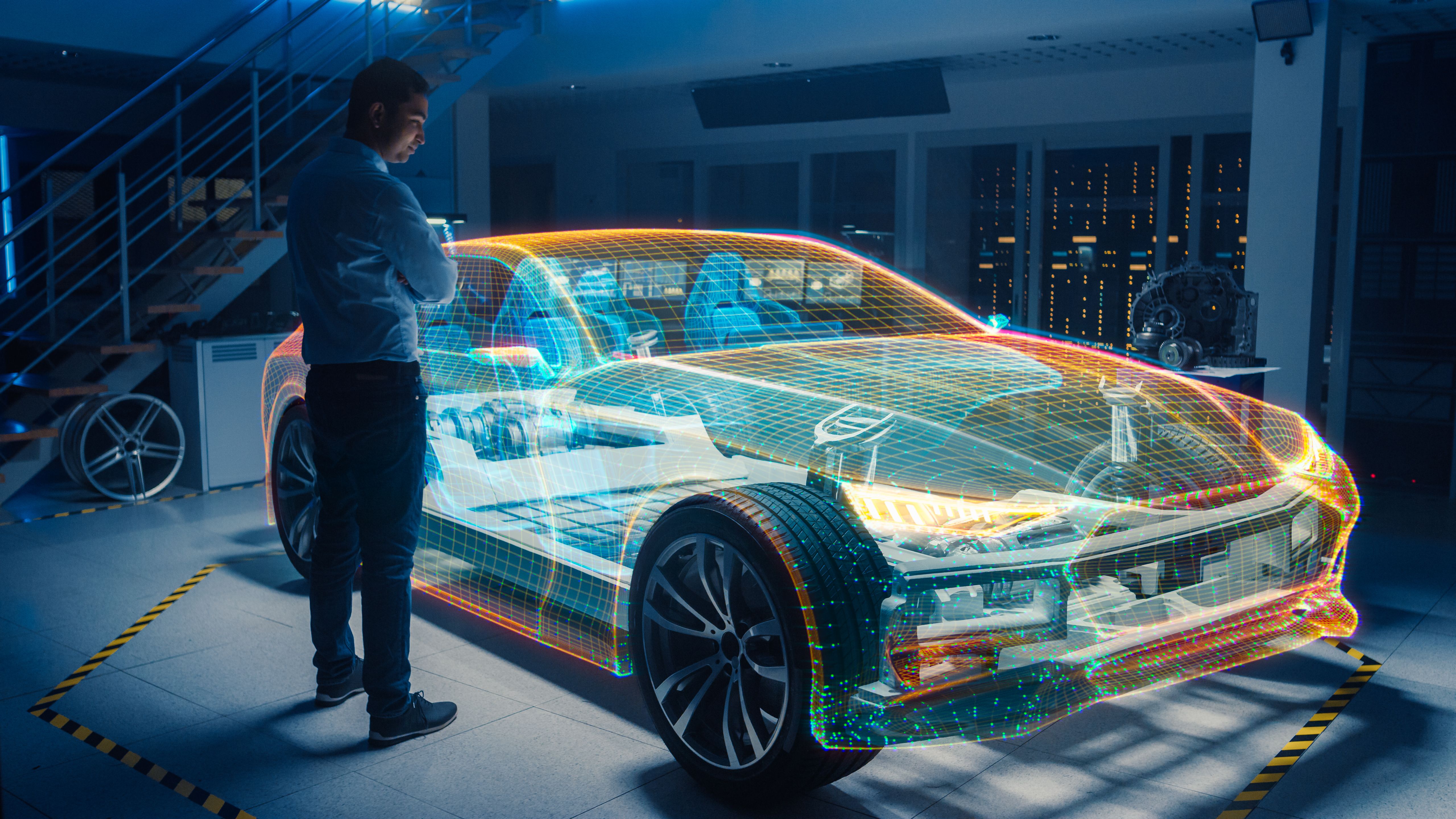
One of the primary challenges in EV powertrain design is managing battery efficiency. Batteries must provide sufficient range while maintaining longevity. To tackle this, engineers focus on developing advanced battery management systems (BMS) that monitor state of charge, state of health, and thermal conditions.
Moreover, adopting solid-state batteries can offer higher energy densities, improving the overall range and efficiency of EVs. These innovations are crucial for meeting consumer expectations and regulatory requirements.
Thermal Management Systems
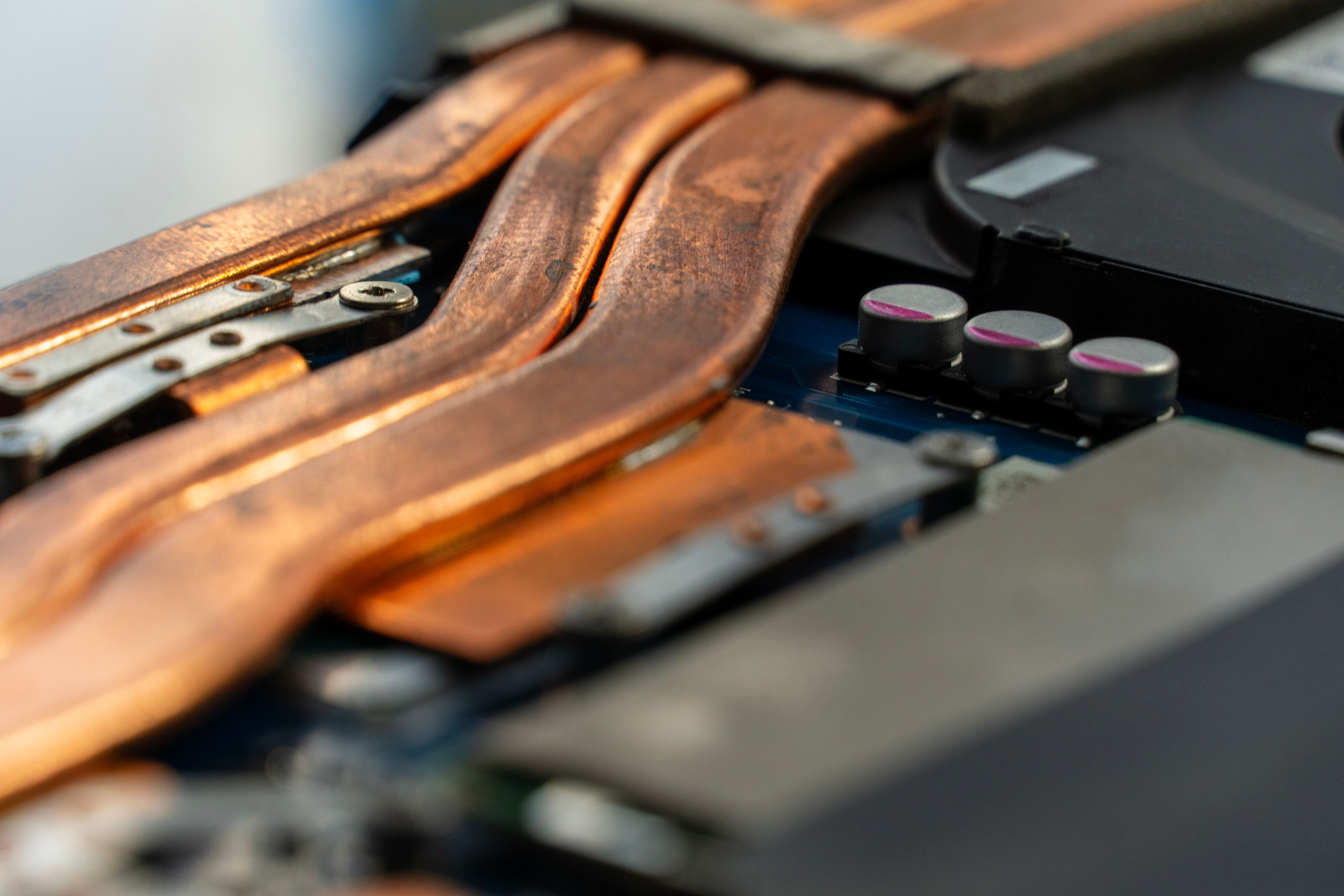
Effective thermal management is essential to prevent overheating and ensure the longevity of powertrain components. Advanced cooling systems, such as liquid cooling and phase change materials, are being explored to maintain optimal temperatures and improve battery life.
Motor and Transmission Efficiency
Electric motors and transmissions must be designed for maximum efficiency to convert electrical energy into mechanical energy effectively. Engineers focus on optimizing motor designs, such as permanent magnet synchronous motors (PMSM), which offer high efficiency and power density.
In addition, reducing friction and improving lubrication in the transmission system can significantly enhance overall powertrain efficiency, resulting in greater vehicle performance and range.
Weight Reduction Strategies
Reducing the weight of an EV is crucial for maximizing efficiency. Engineers use lightweight materials like aluminum, carbon fiber, and advanced composites to reduce the overall vehicle weight without compromising safety or performance.

Software and Control Systems
Advanced software and control systems are integral to modern EV powertrain design. These systems manage power distribution, optimize energy usage, and enhance vehicle performance. Implementing sophisticated algorithms and AI can further improve efficiency and responsiveness.
Engineers are also exploring the integration of over-the-air updates, enabling continuous improvement and adaptation of software systems to meet emerging challenges and opportunities in EV technology.
Conclusion
The challenges in EV powertrain design are multifaceted, but advancements in battery technology, thermal management, motor efficiency, and control systems provide promising solutions. By overcoming these hurdles, the industry is paving the way for more efficient, reliable, and sustainable electric vehicles.