
Understanding EV Technology Advancements: Key Takeaways from Cairo Conferences
Introduction to EV Technological Advancements
Electric vehicles (EVs) are transforming the automotive landscape, and technological advancements are at the forefront of this revolution. Recent conferences in Cairo have shed light on the latest innovations and emerging trends in EV technology. This article explores the key takeaways from these events, highlighting the progress and potential of electric vehicles.
The discussions in Cairo emphasized the role of EVs in reducing carbon emissions and promoting sustainable transportation. Industry experts and policymakers shared insights on how technological advancements are making EVs more accessible and efficient.

Battery Technology Breakthroughs
One of the most significant areas of advancement is in battery technology. New developments are focusing on increasing the range and reducing the charging time of EVs. Solid-state batteries, for instance, are gaining attention for their potential to offer higher energy density and improved safety compared to traditional lithium-ion batteries.
Moreover, battery recycling and second-life applications were highlighted as crucial areas for sustainable development. These innovations aim to minimize waste and maximize the lifecycle of EV batteries, contributing to a circular economy.
Fast Charging Infrastructure
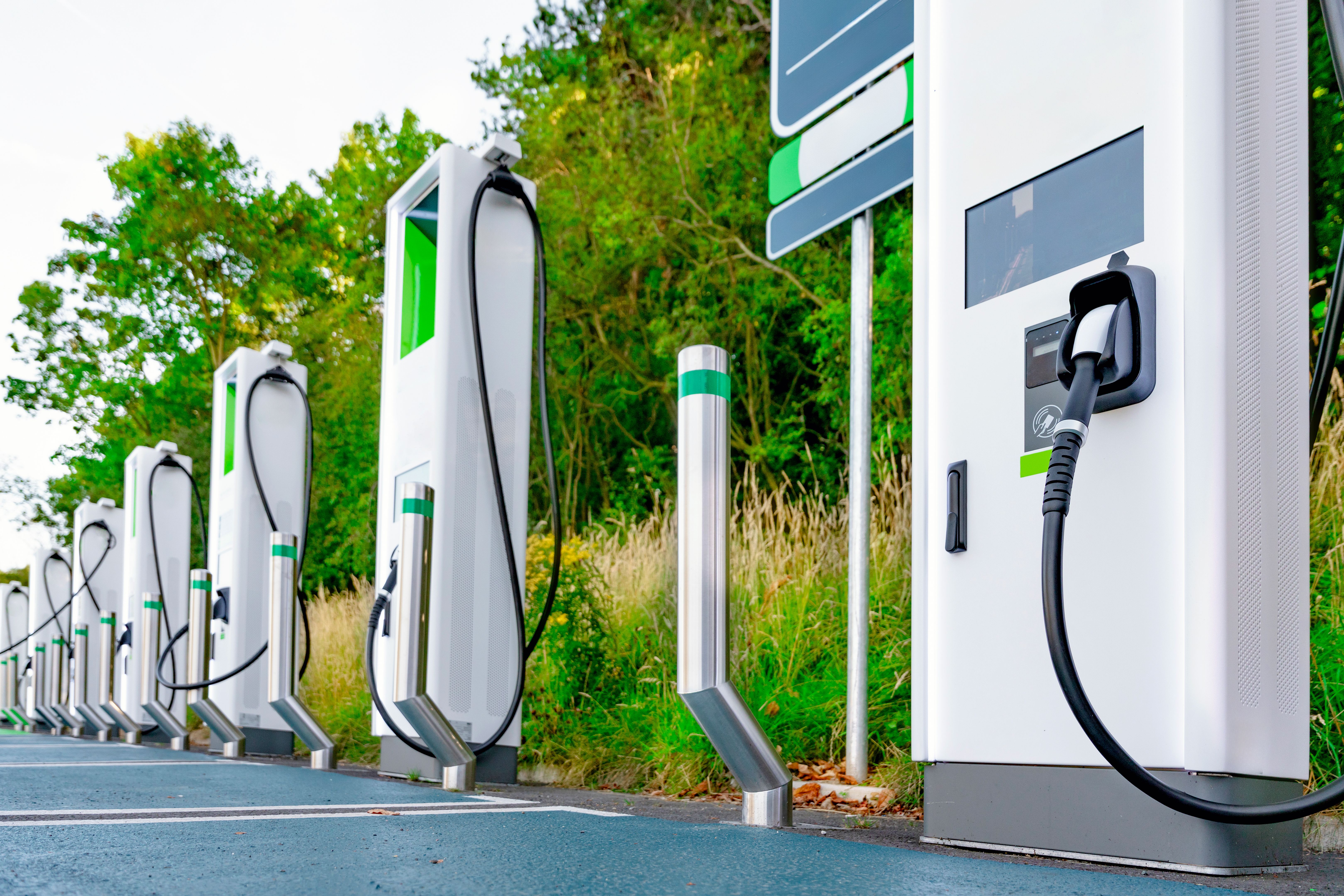
The expansion of fast-charging infrastructure was another focal point at the conferences. As more EVs hit the road, the demand for rapid and convenient charging solutions is growing. New technologies are emerging that can significantly reduce charging times, making EVs more practical for long-distance travel.
Autonomous Driving and Connectivity
Advancements in autonomous driving technology are also playing a critical role in the evolution of EVs. The integration of AI and machine learning is enabling vehicles to navigate complex environments with greater accuracy and safety. These technologies are not only enhancing the driving experience but also paving the way for fully autonomous vehicles in the future.
Connectivity and smart features were extensively discussed, with a focus on how they enhance vehicle performance and user experience. From real-time traffic updates to remote diagnostics, connected EVs are becoming a part of the Internet of Things (IoT) ecosystem.

Policy and Market Trends
Government policies and incentives were highlighted as key drivers of EV adoption. Many countries, including Egypt, are implementing measures to encourage the transition to electric vehicles, such as tax benefits and subsidies. These policies are crucial for accelerating market growth and encouraging investment in EV infrastructure.
Market trends indicate a growing consumer interest in EVs, driven by increasing environmental awareness and the rising cost of fossil fuels. Automakers are responding by expanding their EV offerings and developing more affordable models.
Conclusion: The Road Ahead
The conferences in Cairo provided a comprehensive overview of the current state and future direction of EV technology. With ongoing innovations and supportive policies, the transition to electric vehicles is gaining momentum. As these advancements continue to unfold, they promise to reshape the transportation sector and contribute to a more sustainable future.
Stakeholders across the industry are collaborating to overcome challenges and seize opportunities, ensuring that EV technology continues to evolve and thrive. The road ahead is promising, with the potential to revolutionize how we think about and use transportation.