
Understanding the Challenges in Electric Powertrain Design and Integration
Introduction to Electric Powertrain Design
The transition to electric vehicles (EVs) is accelerating, driven by the need for sustainable and efficient transportation solutions. At the heart of this transformation lies the electric powertrain, a critical component responsible for converting electrical energy into mechanical energy. However, designing and integrating these powertrains presents several challenges that engineers and manufacturers must navigate to ensure optimal performance and efficiency.
Battery Management and Performance
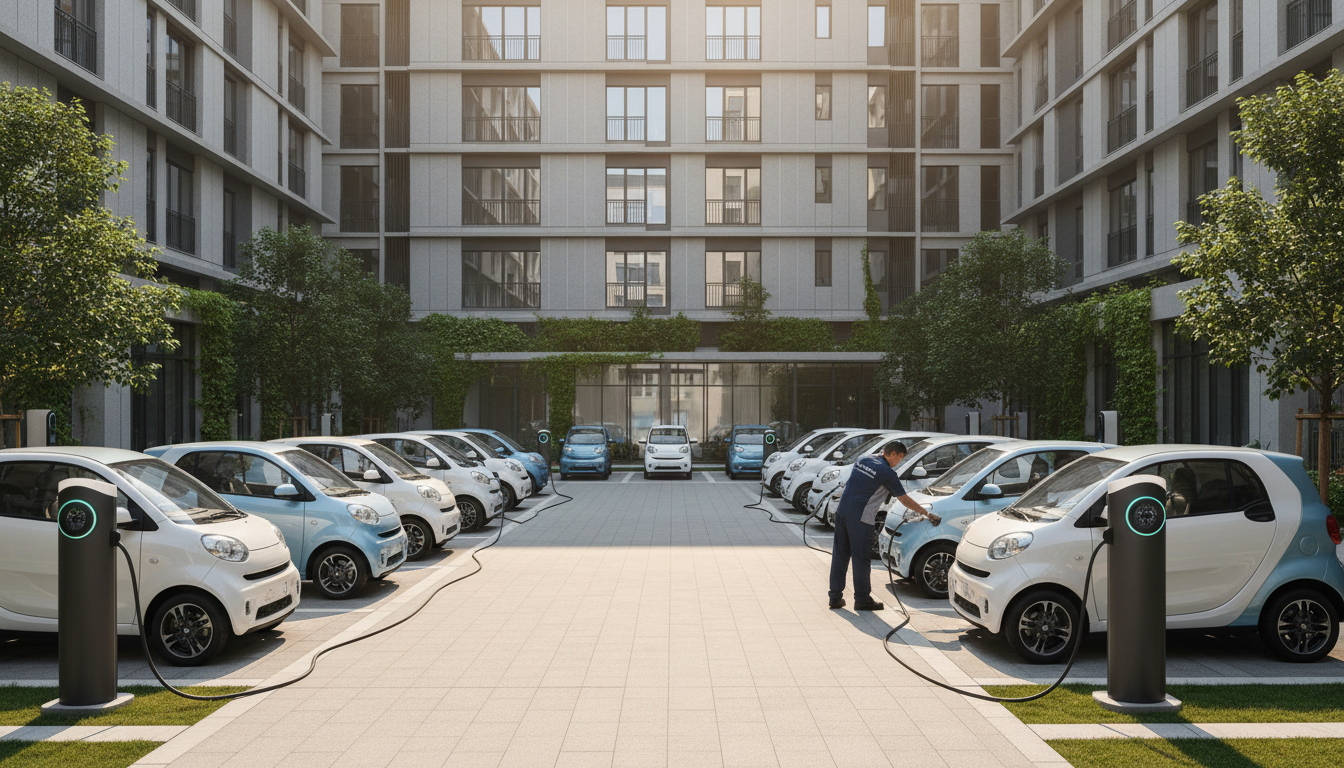
One of the primary challenges in electric powertrain design is battery management. Batteries are the lifeblood of EVs, providing the necessary energy to power the vehicle. Ensuring that these batteries perform optimally requires advanced battery management systems (BMS) that can monitor and regulate temperature, charge, and discharge cycles. Poor battery management can lead to reduced performance and even safety risks.
Moreover, the choice of battery type and chemistry plays a crucial role in determining the range and efficiency of the powertrain. Engineers must weigh factors such as energy density, cost, and lifecycle when selecting the appropriate battery technology for a specific application.
Thermal Management Systems
Temperature regulation is another critical aspect of electric powertrain design. Electric motors and batteries generate significant heat during operation, which can affect performance and longevity if not managed properly. Effective thermal management systems are essential to maintain optimal operating temperatures, improve efficiency, and prolong the lifespan of the components.

Cooling Technologies
Innovative cooling technologies, such as liquid cooling and phase-change materials, are being developed to address these thermal challenges. These systems must be carefully integrated into the powertrain design to ensure they do not add unnecessary weight or complexity, which could negate their benefits.
Integration with Vehicle Systems
The integration of the electric powertrain with other vehicle systems is another area that demands attention. The powertrain must work seamlessly with the vehicle's control systems, drivetrain, and user interfaces. This requires sophisticated software and control algorithms that can manage multiple inputs and outputs to ensure smooth operation.
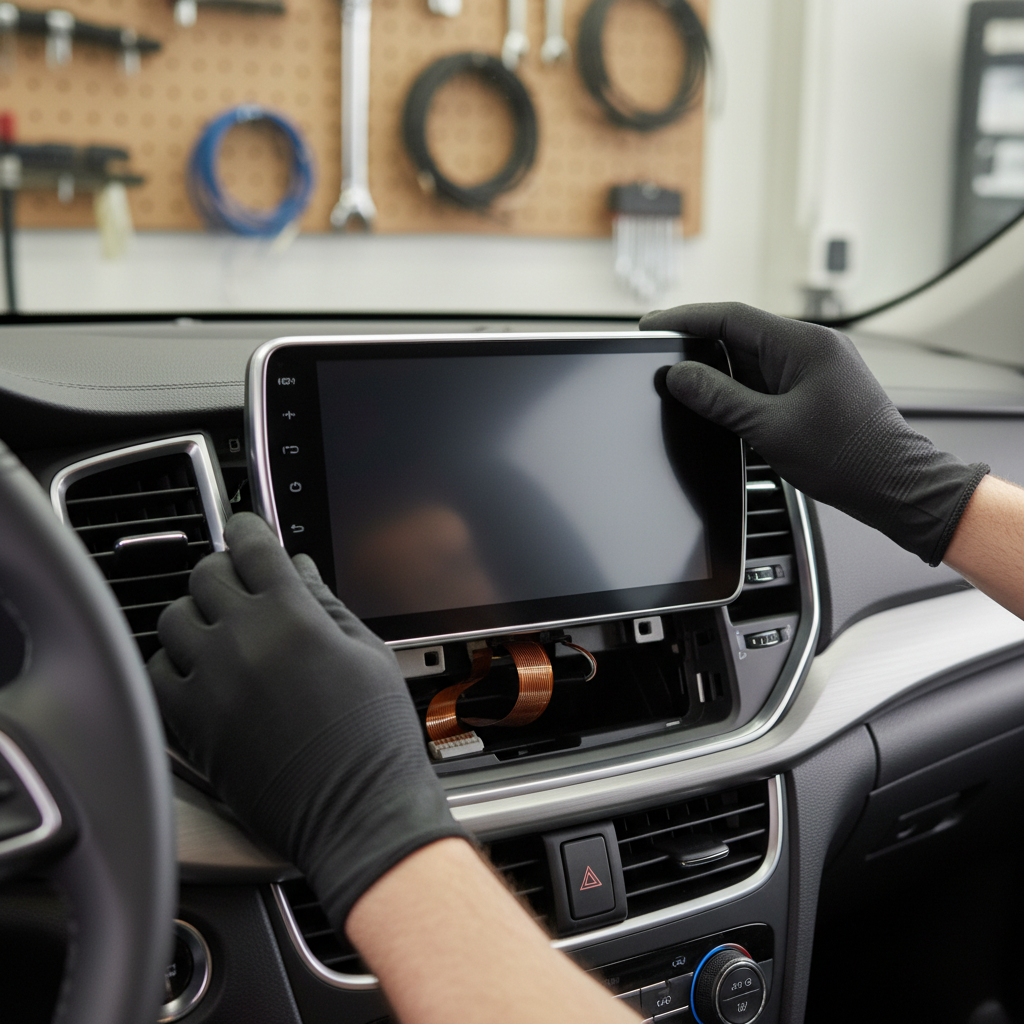
Furthermore, the integration process must account for space constraints within the vehicle chassis, which can limit design options and require creative engineering solutions. Balancing these factors is key to achieving a harmonious and efficient vehicle design.
Cost and Manufacturing Considerations
Cost remains a significant barrier to the widespread adoption of electric vehicles. The design and integration of electric powertrains must be cost-effective to make EVs accessible to a broader market. This involves optimizing manufacturing processes, selecting cost-efficient materials, and leveraging economies of scale.
Manufacturers must also consider the impact of supply chain dynamics on production costs and timelines. Securing a reliable supply of critical components, such as semiconductors and rare earth materials, is essential for maintaining production efficiency and cost control.
Conclusion
Understanding the challenges in electric powertrain design and integration is crucial for advancing electric vehicle technology. By addressing issues related to battery management, thermal regulation, system integration, and cost, manufacturers can develop more efficient and reliable EVs. As the industry evolves, continuous innovation and collaboration will be vital to overcoming these challenges and driving the future of sustainable transportation.