
Understanding the Core Components of Electric Powertrains
Introduction to Electric Powertrains
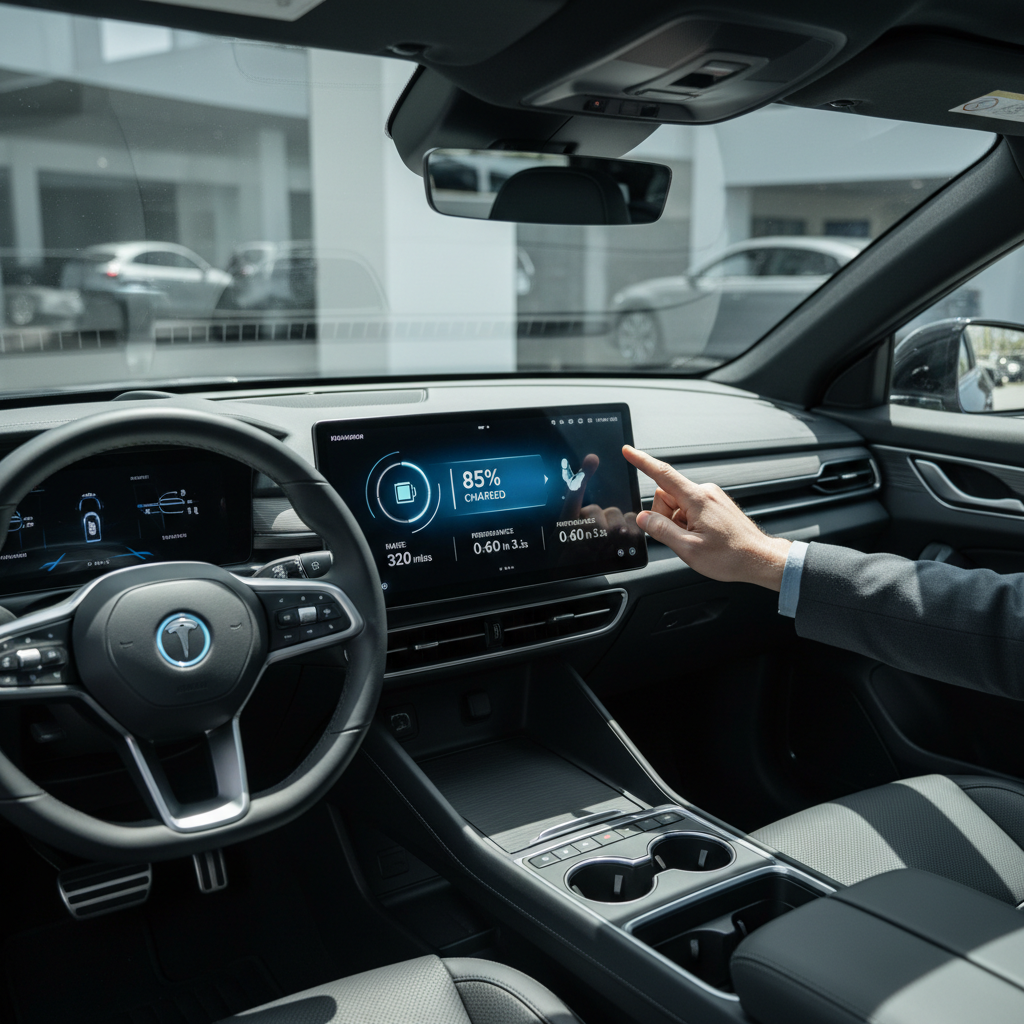
As the automotive industry shifts toward sustainability, understanding the core components of electric powertrains becomes crucial. Unlike traditional internal combustion engines, electric powertrains offer a cleaner, more efficient alternative for powering vehicles. Their architecture is designed to convert electrical energy into mechanical energy to propel vehicles forward. In this post, we will explore the key components that make up an electric powertrain and how they work together.
The Electric Motor
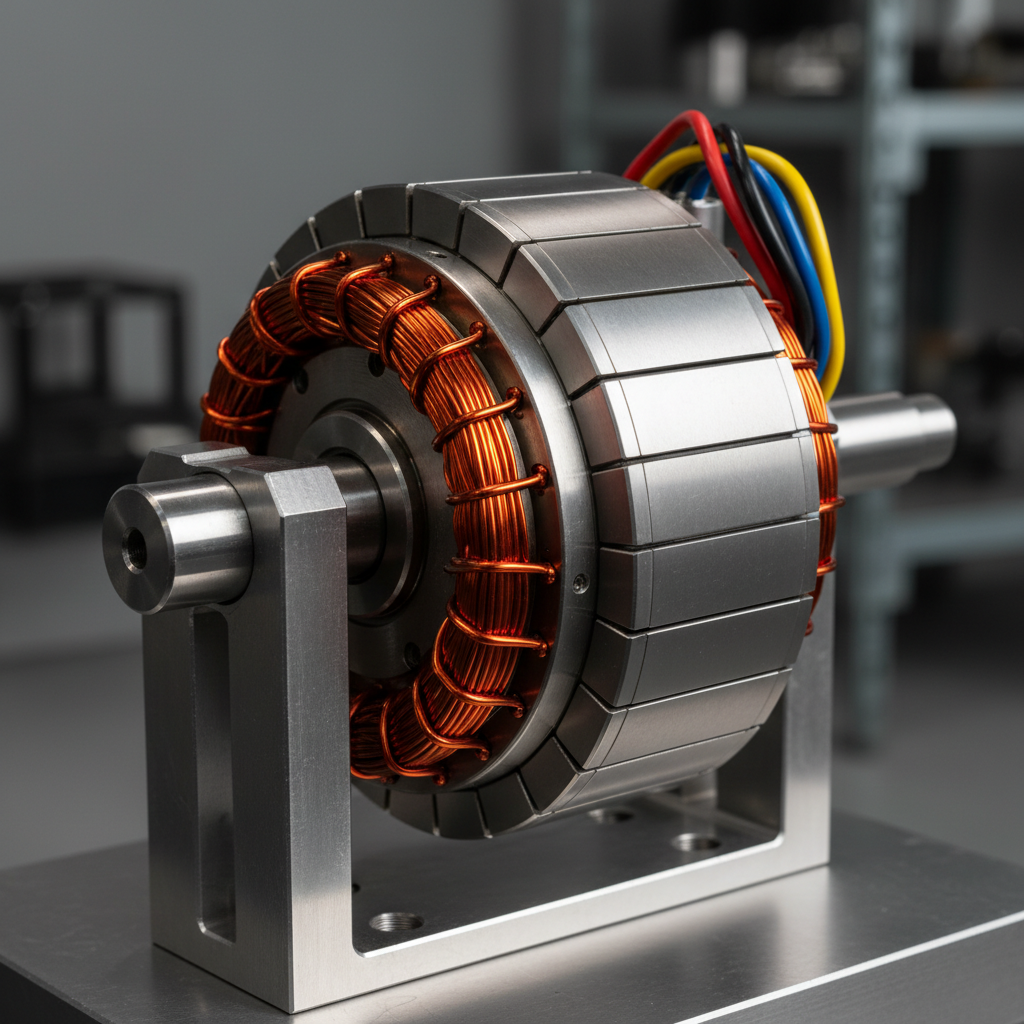
The electric motor is at the heart of an electric powertrain. This component converts electrical energy from the battery into mechanical energy, creating the rotational force needed to drive the wheels. Electric motors are known for their efficiency, often exceeding 90%, and provide immediate torque for quick acceleration. There are several types of electric motors used in vehicles, including induction motors and permanent magnet synchronous motors (PMSM).
Induction Motors vs. PMSM
Induction motors are robust and less expensive but may be slightly less efficient compared to PMSM. On the other hand, PMSM are more efficient and offer better performance characteristics, making them popular in high-performance electric vehicles. Choosing the right type of motor depends on the specific needs and design goals of the vehicle.
The Battery Pack
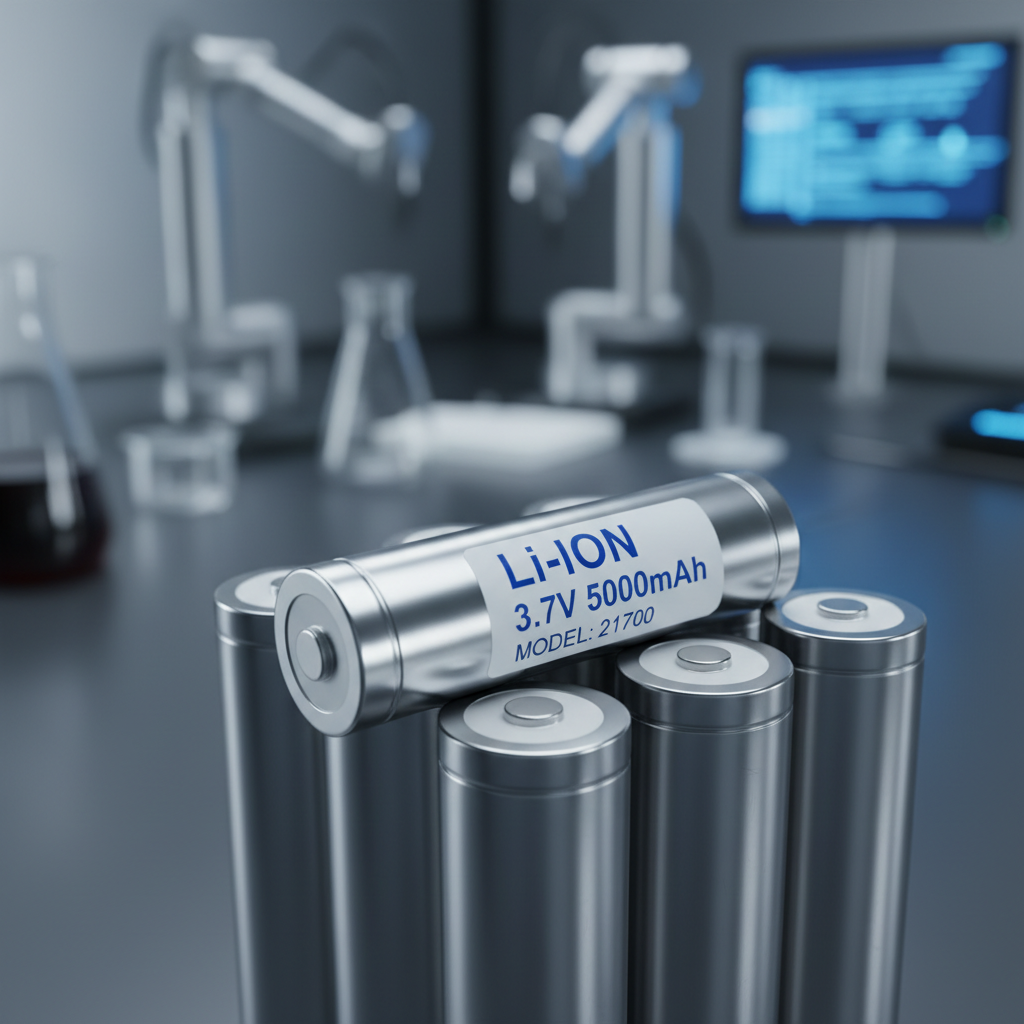
The battery pack serves as the energy reservoir in an electric powertrain. It stores the electrical energy needed to power the motor and other vehicle systems. Most electric vehicles use lithium-ion batteries due to their high energy density and long life. The size and capacity of the battery pack directly affect the vehicle's range and performance.
Battery Management Systems
A critical component of the battery pack is the Battery Management System (BMS). The BMS monitors and manages the state of the battery, ensuring it operates efficiently and safely. It balances the charge across cells, monitors temperature, and provides diagnostic information to prevent overheating or overcharging, which can damage the battery.
The Inverter
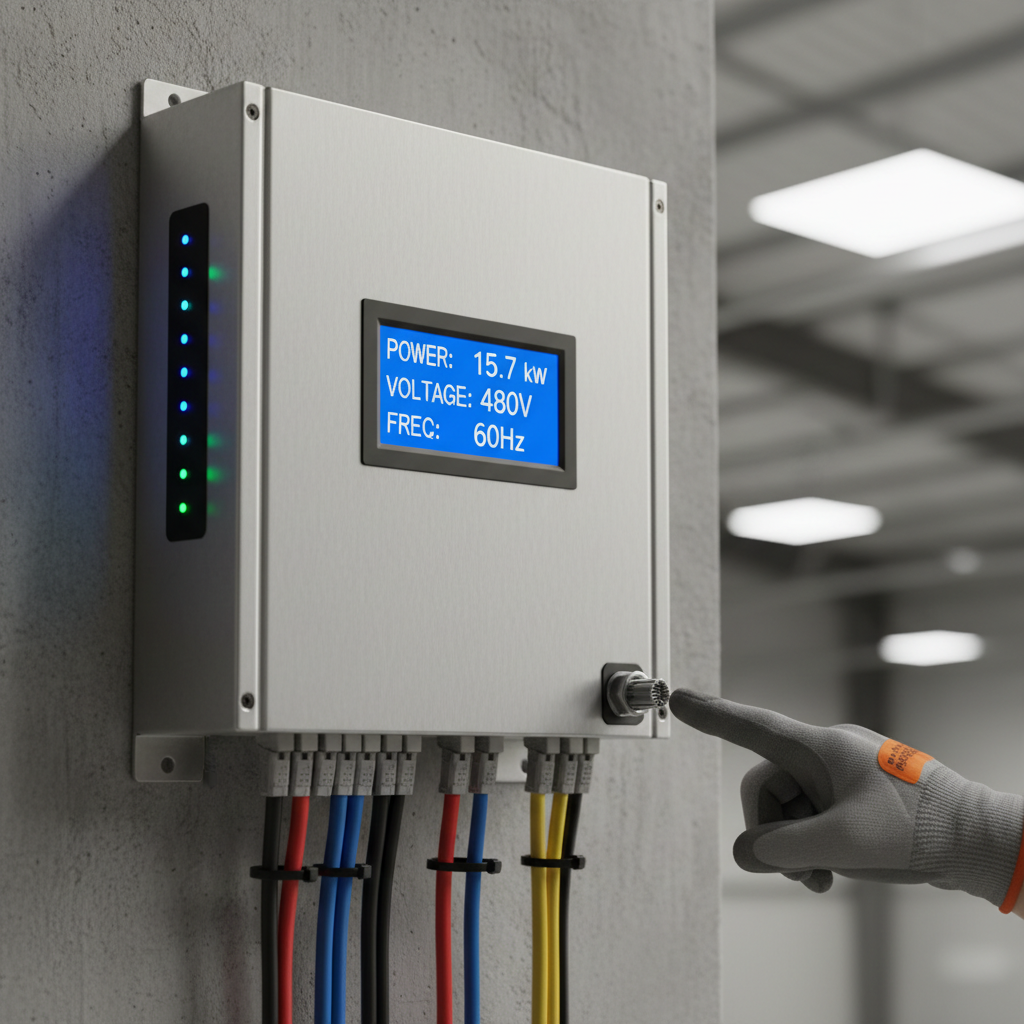
The inverter is an essential component that converts the direct current (DC) from the battery into alternating current (AC) to power the electric motor. This conversion is necessary because most electric motors in vehicles are AC motors. The inverter also controls the speed and torque of the motor by adjusting the frequency and amplitude of the AC power.
Advanced Control Techniques
Modern inverters use advanced control techniques to optimize the motor's performance and efficiency. These techniques allow for precise control of the motor, enhancing the driving experience and extending the vehicle's range. Innovations in inverter technology continue to improve the efficiency and performance of electric powertrains.
Conclusion
Understanding the core components of electric powertrains is essential for appreciating how electric vehicles function. From the electric motor and battery pack to the inverter, each component plays a vital role in delivering efficient and sustainable transportation. As technology advances, we can expect even greater innovations in electric powertrain design, further enhancing their performance and accessibility.